
The first cold morning in the valley tells you everything. You bump the thermostat up, wait for that familiar click, and nothing happens. The vents stay quiet, the house stays cold, and your mind jumps straight to the number on the invoice you have not seen yet. That worry is why so many homeowners ask: does home warranty cover furnace repairs, or are you about to pay for this alone?
Winter in Las Vegas and Henderson is short, but it is real. Nighttime lows drop into the 30s, and a heating system that sat unused for eight months does not always wake up on command. Dwellness has served Southern Nevada homeowners since 1986, and heating calls cluster in those first cold weeks every single year. A furnace breakdown rarely gives notice. It shows up on the day you need heat most.
Keep reading to learn which furnace parts a warranty plan protects, which problems fall outside coverage, how heat pumps are treated differently, and what the claims process looks like from the first call to the finished repair. The examples here reflect how heating systems are built and used in Las Vegas Valley homes.
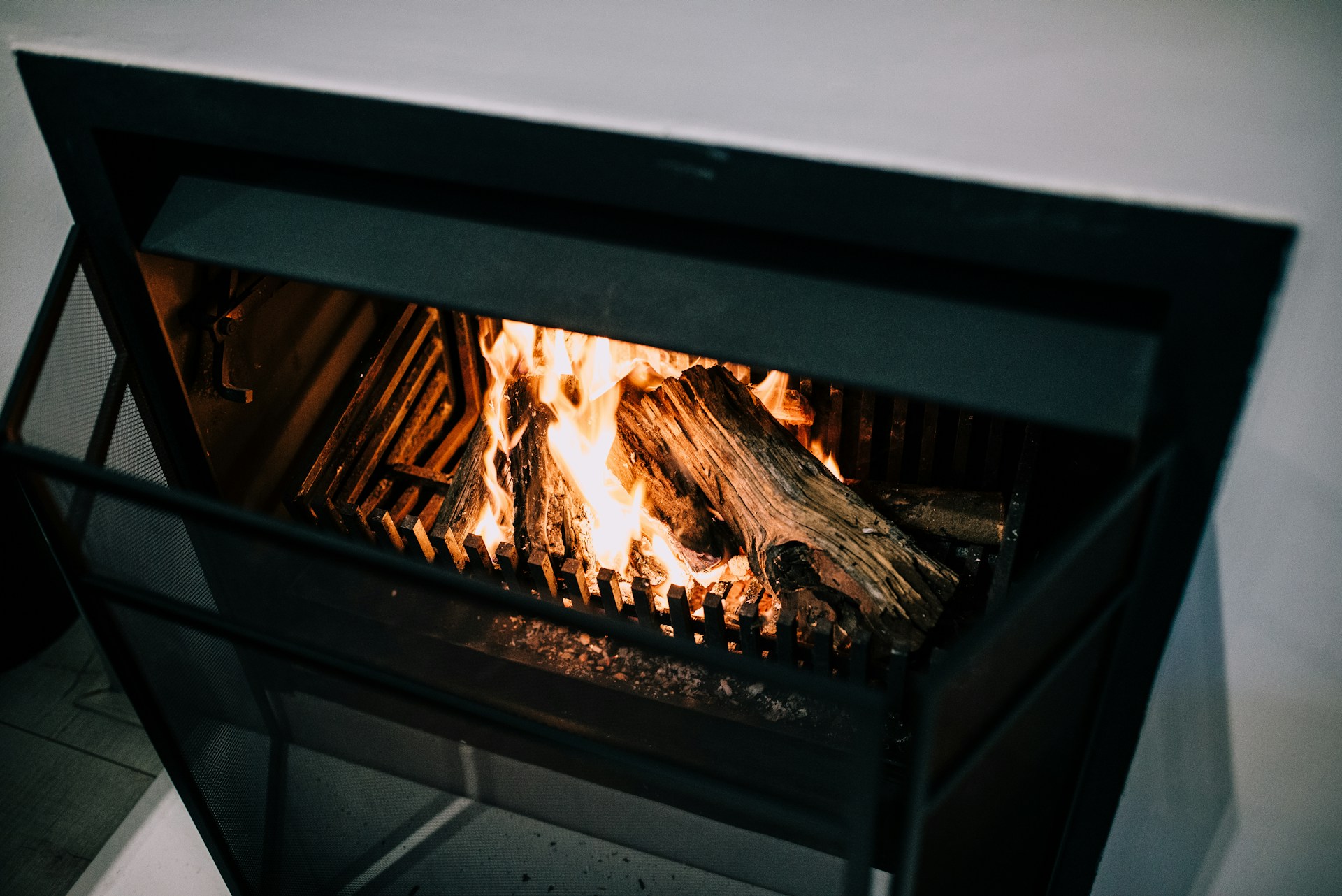
What Furnace Coverage Usually Includes
A home warranty plan covers the mechanical parts of your furnace when they fail from normal wear and tear. That protection applies to eligible breakdowns and is subject to your plan's service fee, coverage limits, and exclusions.
Heating systems appear in every plan tier. The Essential Plan includes heating systems and cooling systems, and the Enhanced and Premium tiers build on that same base. Premium customers may qualify for service within 24 hours on plumbing and HVAC claims, which matters when the house is cold and you have kids or older parents at home.
Does a Home Warranty Cover Furnace Repairs and Replacement?
Repairs are the everyday use of the plan. A burner stops firing, a blower motor seizes, an ignition system fails, and a technician diagnoses the problem and fixes the covered part.
Replacement enters the picture when a covered part cannot be repaired, or when the furnace unit itself is beyond saving. That decision follows your service contract, including how coverage limits apply to replacement costs. A warranty plan is not an upgrade program, so it restores the function you had rather than paying toward a bigger or higher efficiency model.
Which Furnace Components Are Commonly Covered?
Furnace coverage focuses on the internal parts that make heat and move it through the house:
- Heat exchanger
- Blower motor and blower assembly
- Burners and the gas valve
- Ignition system, including the ignitor or pilot light assembly
- Limit switches and control boards
- Thermostats that control the heating system
Ductwork sits in a different category. Air travels through it, but the ducts are not part of the furnace unit. Ductwork coverage and duct-related add-ons vary, duct cleaning and structural duct repair are different things, and your service contract determines whether a particular duct repair is eligible. If your airflow problem traces back to a crushed or disconnected duct run in the attic, that is a separate conversation from a furnace part failure.
How Normal Wear and Tear Affects Eligibility
Normal wear and tear means the part failed because it aged and worked, not because something outside hit it. A blower motor that ran for twelve winters and finally gave out is wear. A blower motor damaged by a flood is a different type of loss.
This single standard drives most coverage decisions. Home warranty coverage for major systems applies to breakdowns caused by everyday use, while damage from sudden events like fire or storms may fall under your homeowners insurance policy, depending on the cause and your policy.
That leaves the obvious follow-up question: what makes a furnace claim get denied?
What Can Limit a Furnace Claim
Most denied furnace claims trace back to four causes: the problem existed before coverage started, the system was neglected, someone installed or used it wrong, or the cost falls into a category the contract excludes.
Knowing these categories ahead of time keeps surprises off the table. Every home warranty contract lists them, and reading yours before winter is worth twenty minutes.
Pre-Existing Conditions and Existing Furnace Problems
A furnace that already stopped working before your plan started is not an eligible breakdown. Coverage begins on the effective date in your contract and applies to failures that happen while coverage is active.
This is the honest limit of any warranty plan. Buying coverage while a technician is standing in your garage does not make today's repair covered. If you already hold a plan and your furnace just quit, file a claim now instead of waiting.
Maintenance, Air Filters, and Maintenance Records
Lack of maintenance causes real furnace failures. A clogged air filter starves the blower, the system runs hot, and the limit switch trips again and again until something burns out. That chain of damage is preventable, and contracts treat neglect differently from wear.
Maintenance records are not required to purchase a plan, and heating and cooling breakdowns are evaluated based on normal wear and tear. Keeping filters changed on schedule still protects you, because a technician can see when a part failed from dirt and restriction. Premium plan holders get no trade call fee for one eligible maintenance or tune-up visit per year, which makes a fall furnace check easy to schedule.
Improper Installation, Misuse, and Cosmetic Damage
Improper installation is the sleeper issue in resale homes. A furnace sized wrong for the house, vented incorrectly, or paired with a mismatched air conditioner can fail early through no fault of yours. Many plans exclude those situations outright.
Enhanced and Premium plans change that math. Both add coverage for mismatched systems and for improper installation, repair, or modification, which are common denial reasons elsewhere. Cosmetic damage, like a dented cabinet panel that does not affect operation, stays outside coverage on every tier.
Code Upgrades, Secondary Damage, and Fuel Storage Tanks
Code violations and permit costs can add hundreds to a heating repair when an inspector requires an upgrade. Essential does not include those. Enhanced and Premium cover permits and code violations, which removes a frequent out-of-pocket surprise during a furnace replacement.
Secondary damage is different from the failure itself. If a cracked part lets water reach your drywall, the plan addresses the covered component, and the resulting property damage may be covered by homeowners insurance, depending on the cause and your policy. Fuel storage tanks, such as an outdoor propane tank, are not part of the furnace unit and fall outside heating coverage.
Since many valley homes never had a gas furnace in the first place, the next question is what happens when your heat comes from a heat pump.
How Heat Pump Coverage Compares With Furnace Coverage
Heat pumps are covered the same way furnaces are: as part of the heating system, for eligible breakdowns from normal wear and tear, subject to your plan's service fee, limits, and exclusions.
Heating coverage on these plans includes components found in heat pumps, furnaces, split systems, thermostats, and mini-splits. So the coverage question is less about which box you own and more about which plan tier you hold.
Does Home Warranty Cover Heat Pump Repairs?
Yes. A heat pump's compressor, reversing valve, blower, and controls are heating system components, and a failure from wear is an eligible claim.
Refrigerant is where tiers separate. Essential covers air conditioning refrigerant up to $25 per pound, and Enhanced, which builds on everything in Essential, carries that same coverage. Premium includes unlimited air conditioning refrigerant, which matters for a heat pump, since the same refrigerant circuit runs your heat in January and your cooling in July.
How Heat Pumps, Furnaces, and Air Conditioners Work Together
A traditional setup pairs a gas furnace with a separate AC unit sharing one blower and one duct system. A heat pump does both jobs with one outdoor unit that reverses direction.
Plenty of valley homes run a hybrid: a heat pump for mild weather with electric strip heat or a small furnace as backup. When heat fails in a hybrid system, the technician has to identify which stage quit before anyone can call it repaired. That diagnosis is part of the service visit.
Why Las Vegas Homeowners Should Check Their System Type
Your outdoor unit runs in winter if you have a heat pump. If it sits still all winter and your heat comes from inside the house, you have a furnace. That one observation tells you what you own.
It matters for wear, too. A Las Vegas heat pump logs cooling hours through triple-digit summers and heating hours in winter, so the same compressor carries a year-round load. HVAC home warranty coverage treats both seasons as part of one system, which is why the plan you pick should match the equipment in your yard.
Once you know what you own, the next thing worth understanding is what a claim costs you and how fast it moves.
Plan Terms, Costs, and the Furnace Claims Process
You pay a service fee per trade when you request service, and the plan handles the covered repair from there. Deductibles on these plans are either $100 or $125 depending on the plan you choose.
That predictable number is the point of a heating system warranty. Instead of an open-ended invoice, you know your cost before the technician knocks.
How Home Warranty Plans and Coverage Caps Differ
Every home warranty plan sets coverage caps for covered systems, and those caps determine how much the plan pays toward a large repair or replacement. Higher tiers add both coverage and services.
Across the three home warranty plans, heating is included at every level. Enhanced adds mismatched systems, improper installation, permits, code violations, and unlimited Tel-e-tech video troubleshooting. Premium adds manufacturer's warranty coverage and the chance to qualify for plumbing and HVAC service within 24 hours.
Multiple units are covered too, as long as the home is under 5,000 square feet, which helps two-story Henderson homes with separate upstairs and downstairs systems.
Monthly Premiums, Service Fees, and Out-of-Pocket Costs
Your monthly premium depends on the plan tier and any add-ons you select. Monthly and annual pricing are both available, and you can see how the pieces add up in this explanation of home warranty cost factors.
Out-of-pocket costs on a furnace claim come from three places: the service fee, anything above your coverage limit, and any work you approve that falls outside the contract. The service fee is also called a trade call fee, and what a trade call fee covers is worth reading before your first claim.
Coverage can change, too. Plan changes are allowed for up to 30 days after your initial payment, and annual adjustments after that.
What Happens After You File a Furnace Claim
Submit the request online or by phone, pay the trade call fee through a secure link, and the claim gets dispatched to a vetted local provider. You receive an email with the assigned vendor's name and phone number.
Your service provider contacts you within 2 to 3 hours to schedule the appointment. The technician then diagnoses the furnace and determines whether the failure qualifies under your contract, coverage limits, and exclusions.
More than 97% of claims are approved and more than 85% are resolved on the first visit, which is the practical measure of whether a plan works when you are cold.
When a Technician Repairs or Replaces a Furnace
Most covered items get repaired or replaced during the initial visit. If a part has to be ordered, the assigned contractor completes the work as soon as the part arrives.
Replacement happens when repair is not viable. The provider documents the failure, replacement costs are evaluated against your plan terms, and the work proceeds under those limits. Completed repairs carry a workmanship guarantee: if a problem related to that repair shows up within 30 days, a contractor comes back at no additional cost.
That guarantee raises a fair question for anyone shopping now: when is the right time to buy coverage?
Choosing Coverage Before Your Heating System Fails
Buy coverage while your furnace still works. A plan protects future breakdowns, so the value comes from getting it in place before the failure, not after.
Homeowners insurance and a home warranty policy handle different risks. The Nevada Division of Insurance describes homeowners' policies as covering losses to a privately owned residence, such as property damage and liability, while noting those policies do not cover every risk. A furnace that wears out is not a covered peril there. That gap is exactly what home warranty coverage fills, giving you financial protection against a furnace not turning on when the temperature drops.
Two things are worth checking before you choose a tier:
- Whether your heat comes from a gas furnace, a heat pump, or a hybrid setup
- Whether your home has known installation or code issues that make Enhanced or Premium the safer fit
Coverage is available for homeowners across Nevada, and eligibility is verified by address before enrollment. If you are weighing timing, this guide to when to buy a home warranty walks through the trade-offs at purchase, at closing, and mid-year.
Heat You Can Count On Before the Next Cold Snap
A home warranty pays for eligible furnace breakdowns caused by normal wear and tear: heat exchangers, blower motors, burners, ignition systems, and the thermostat that runs them. It does not pay for a furnace that already failed, for neglect, or for cosmetic damage. Your plan tier decides how far the protection reaches into code violations, mismatched equipment, and refrigerant for heat pumps.
The best time to sort this out is a mild October afternoon, not a 38-degree morning. Dwellness has protected Las Vegas homeowners since 1986, approves 97% of claims, and assigns every customer a local account manager instead of a national call queue.
Get your free quote at (702) 509-7007, compare home warranty services for your home, or reach the team through the contact page. Already covered and your heat is out? Call (702) 641-8888 and file a claim today.