
For many homeowners, yes, you can absolutely get a home warranty on an older home. In fact, older homes are often the properties that benefit most from home warranty plans. As major systems age and appliances experience normal wear and tear, the likelihood of breakdowns increases. A home warranty can help manage repair costs, provide peace of mind, and make homeownership more predictable.
The key to having a home warranty for an older home is understanding what a plan covers, what exclusions apply, and how coverage works for aging systems.
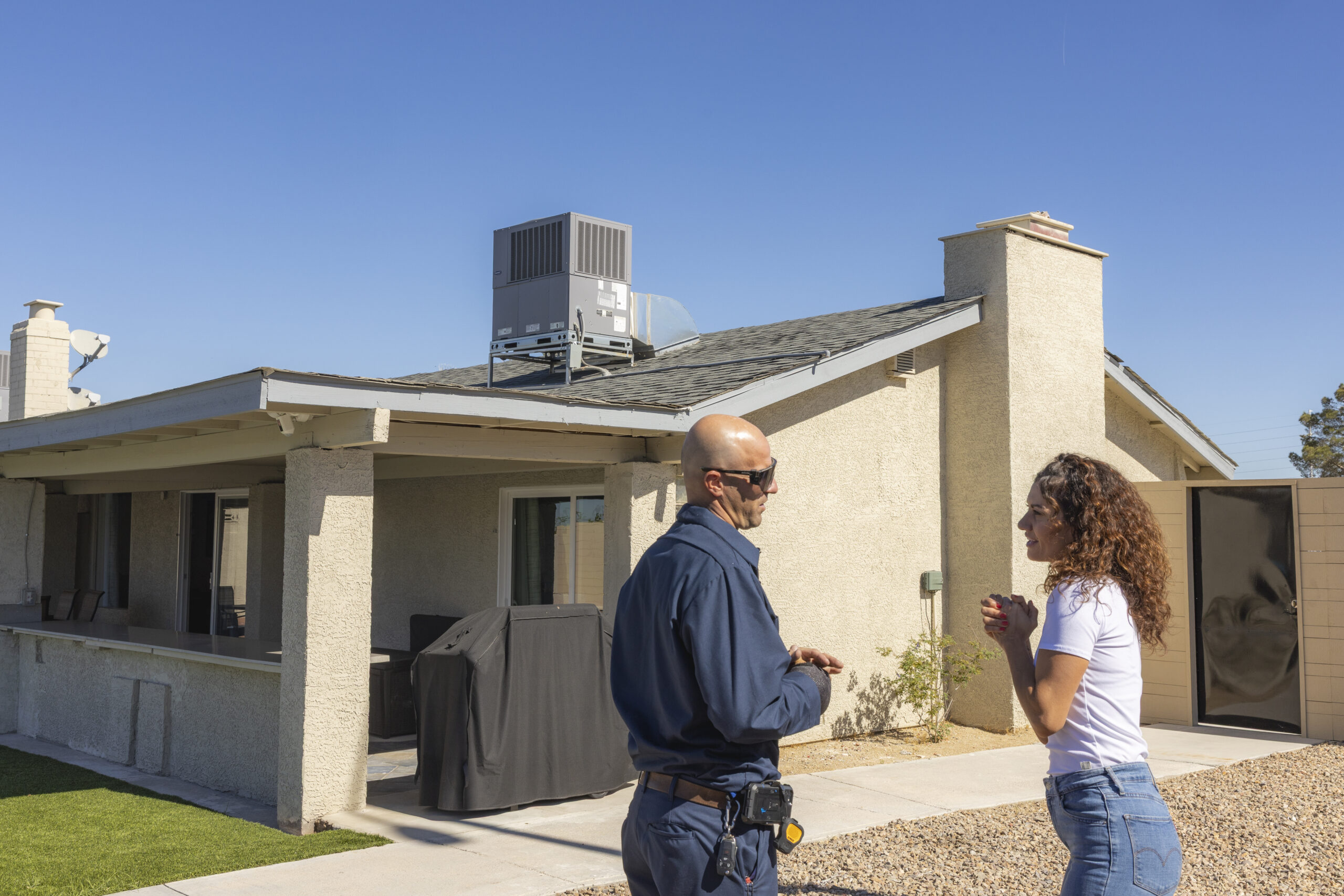
Why Older Homes Are Good Candidates for Home Warranty Coverage
Older homes have character, charm, and history, but they can also come with aging systems and appliances. Even if previous owners maintained the property well, components eventually reach the end of their expected lifespan.
Common concerns in an older home include:
- Aging HVAC systems and air conditioning equipment
- Older electrical systems
- Water heater failures
- Plumbing systems that develop leaks or stoppages
- Laundry appliances, such as a washer
- Kitchen appliances that have been in service for many years
- Garage door openers with worn components
A home warranty can help reduce the financial impact when covered items fail due to normal wear and tear.
What Home Warranty Plans Typically Cover
Most home warranty plans are designed to protect the systems homeowners use every day.
Depending on the plan, coverage may include:
- HVAC and air conditioning systems
- Heating systems
- Electrical systems
- Plumbing systems
- Water heater components
- Kitchen appliances
- Laundry appliances
- Garage door openers
Many plans also offer add-on options for items such as septic systems and well pumps.
Every service contract is different, so it is important to review exactly what your plan covers.
What Home Warranties Do Not Cover
While home warranty coverage can be valuable, there are limitations.
Common exclusions may include:
- Pre-existing conditions
- Cosmetic damage
- Improper installation
- Lack of maintenance
- Structural issues
- Certain roof leak situations
- Damage caused by accidents or natural disasters
Coverage limits may also apply to specific systems and appliances. Understanding these details upfront helps avoid surprises later.
Does the Age of the Home Matter?
Generally, the age of the home itself is not the deciding factor. What matters more is whether the systems and appliances were functioning properly when coverage began.
Many homeowners assume that older homes cannot qualify for coverage, but that is often not true. Home warranty companies regularly provide protection for homes that are decades old.
In fact, older homes may benefit more from coverage because aging systems are more likely to require home repairs over time.
Home Warranty vs Homeowners Insurance
A home warranty and homeowners’ insurance serve different purposes.
Homeowners insurance helps protect against events like fire, storms, or other covered losses.
A home warranty helps cover repairs for major systems and appliances that break down due to normal wear and tear.
Many homeowners choose to have both because they complement each other and provide broader protection.
Is a Home Warranty Worth It for an Older Home?
For many homeowners, the answer is yes.
Without coverage, a single repair can create a significant expense. Replacing a water heater, repairing HVAC equipment, or addressing electrical system issues can lead to substantial repair costs.
A home warranty provides a way to manage those expenses through a predictable service fee and service contract structure.
Benefits often include:
- Reduced surprise expenses
- Access to qualified service providers
- Protection for major systems
- Coverage for covered repairs
- Greater peace of mind
Buying an Older Home During a Real Estate Transaction
Many home buyers purchase a home warranty during a real estate transaction.
This can be especially valuable when purchasing an older home because:
- Home systems may be nearing the end of their lifespan
- Appliances may not have a manufacturer's warranty
- Future repair costs can be difficult to predict
- Coverage begins shortly after enrollment, subject to any waiting period
A home warranty can help make the transition into homeownership feel more secure.
How to Choose the Best Home Warranty for an Older Home
When comparing plans, consider:
- Coverage for HVAC systems and air conditioning
- Protection for plumbing systems and electrical systems
- Water heater coverage
- Coverage limits
- Service fee structure
- Add-on availability
- Septic systems and well pumps coverage options
- Reputation of the provider
The best home warranty is one that aligns with your home's specific needs.
Key Takeaways
- Yes, you can get a home warranty on an older home.
- Older homes often benefit the most from home warranty coverage.
- Most plans cover major systems, appliances, and other covered items.
- Exclusions and coverage limits still apply.
- Home warranties complement homeowners’ insurance rather than replace it.
- Add-ons may be available for septic systems, well pumps, and other specialized systems.
- A home warranty can help reduce repair costs and provide peace of mind.
FAQs About Home Warranties for Older Homes
Protect Your Older Home with Confidence
An older home can provide years of comfort and enjoyment, but aging systems and appliances can lead to unexpected expenses. A home warranty helps protect the systems you rely on every day and provides support when covered repairs are needed.
Contact Dwellness today to learn more about our home warranty plans and find the right coverage for your home. When your home's in need of repair, we'll be there.