
Most of the winter home maintenance checklist articles you will find online were written for places with snow shovels. They tell you to insulate the attic hatch against ice dams, stock rock salt and drain the sprinkler lines with an air compressor. Very little of that applies to a house in Henderson or Summerlin, where December afternoons are often sweater weather and the lawn is still being watered. But a Las Vegas winter is not nothing, either. The nights get cold enough to matter, the heater that sat idle since March has to start, and the dust and wind do not take the season off.
This checklist is built for the valley. It covers what actually goes wrong in a desert winter, what to skip, and what to do in the short window between the last 90 degree day and the first cold snap.
The first furnace run is the one that matters
The heating system has been off for seven or eight months. Dust has settled on the burners, the blower and the heat exchanger, and the first time it fires, the house will smell faintly of hot dust for a few minutes. That is normal once. Smoke, a persistent electrical smell or a gas smell is not, and any of those means shut the system off and call for service.
Do the first run on a mild afternoon in late October or early November rather than the first cold night. Set the thermostat to Heat, raise it a few degrees above room temperature and listen for the full sequence: the small inducer fan, the click of ignition, the whoosh of the burner and finally the main blower. If it starts and heats, you are ahead of the game. If it does not, you have found out on a day when nobody is cold and you can file a service request without anyone sleeping in a coat.
Change the filter before that first run. Summer is when the system does its hardest work, and the filter that has pulled a season of desert dust through it should not go into winter. Replace the thermostat batteries while you are at it. Heating is covered in every Dwellness plan, and the heating home warranty page explains what counts as a covered breakdown if the furnace does not cooperate.
Freezing nights are rare here, and that is exactly why pipes burst
The National Weather Service office in Las Vegas puts the valley at a low of 32 or below on roughly ten nights a year under the 1991 to 2020 normals, while daytime highs essentially never stay below freezing (weather.gov). Ten nights is not a lot. It is also ten more than most Las Vegas plumbing was built to shrug off.
Houses here have exposed copper and PVC that would never pass in a cold climate: the water line to the backflow preventer standing in the front yard, the hose bibs on the north wall, the pipes feeding the pool equipment and the water line to a detached casita or garage. On a clear, still night when the forecast says 28, those are the pipes that split, and the damage shows up when the sun hits them in the morning.
The fixes are simple. Wrap the backflow preventer and any exposed pipe with foam pipe insulation or an insulated cover, and leave it on until March. Disconnect garden hoses from the bibs, because a hose full of water freezes back into the faucet. On a night with a hard freeze warning, let a bathroom faucet on an exterior wall drip, open the cabinet doors under sinks on exterior walls, and keep the pool pump running overnight so the water in the equipment keeps moving. The post on plumbing maintenance tips covers the rest of the plumbing routine for the year.
Know where the main water shutoff is before you need it. If a pipe does split, closing that valve in the first minute is the difference between a damp garage and a flooded one. And if a line has frozen but not yet split, warm it with a hair dryer or towels soaked in warm water, never an open flame.
The irrigation schedule has to come down, not off
In a snow climate, you blow out the sprinkler lines and forget them. In Las Vegas, the yard still needs water through winter, just much less of it. Trees, shrubs and winter grass are alive and drinking, and a drip system left on its August schedule will drown plants and run up the water bill, while one shut off entirely will leave you with dead plants by February.
Cut run times and frequency back to the winter schedule for your plant type, and if the controller has a seasonal adjust setting, use it. Walk the drip lines once a month and look for emitters that have popped off, lines that have been chewed by rabbits, and the wet spot that means a fitting has cracked. On freeze nights, the water in a drip line is small enough that it rarely causes damage, but a valve box with a cracked valve body is a common spring surprise. A valve box lid that fits and a layer of mulch over the lines both help.
The pool does not close, it slows down
Unlike pool owners in the north, you are not draining lines and putting on a safety cover for five months. The pool runs all winter, at a reduced pace, and that is when a surprising number of pool equipment problems begin.
Cut the pump run time back to what the water needs, which is far less than in July, but do not stop it. Water that sits still grows algae even in cool weather and lets debris settle and stain the plaster. Keep the skimmer and pump baskets clear, because the wind that blows through the valley in winter carries leaves and dust into the pool faster than in summer. Check the chemistry every couple of weeks rather than weekly, and keep the water level up so the skimmer does not draw air.
On hard-freeze nights, run the pump continuously, since moving water does not freeze in the lines. Many newer pool controllers have a freeze protection setting that does this automatically when the air temperature drops; make sure it is turned on and the sensor is working. A pump that runs dry because the water level dropped, or a filter that cracks because it froze, is the kind of damage that ends a pool season early.
Seal the gaps, because wind and dust do not care about the calendar
Winter in Las Vegas is windy, and a house that leaks air leaks dust. Walk the exterior doors and windows on a breezy day with your hand near the edges. Replace weatherstripping that has flattened or cracked, add a door sweep where daylight shows under a door, and check the garage-to-house door, which is often the leakiest door in the home.
Clean or replace the filter in any portable air purifier, vacuum the return air grilles, and dust the ceiling fan blades before switching the fans to run clockwise on low for the season, which pushes warm air down from the ceiling without a draft. The post on fall home maintenance covers the preparation that ideally happens in October; if you skipped it, now is a fine time.
The rest of the house, in one pass
A few items belong on the list even though they are not weather driven.
Test the smoke and carbon monoxide alarms and replace the batteries. Heating season is when combustion appliances run, and a CO alarm on every level is the safeguard.
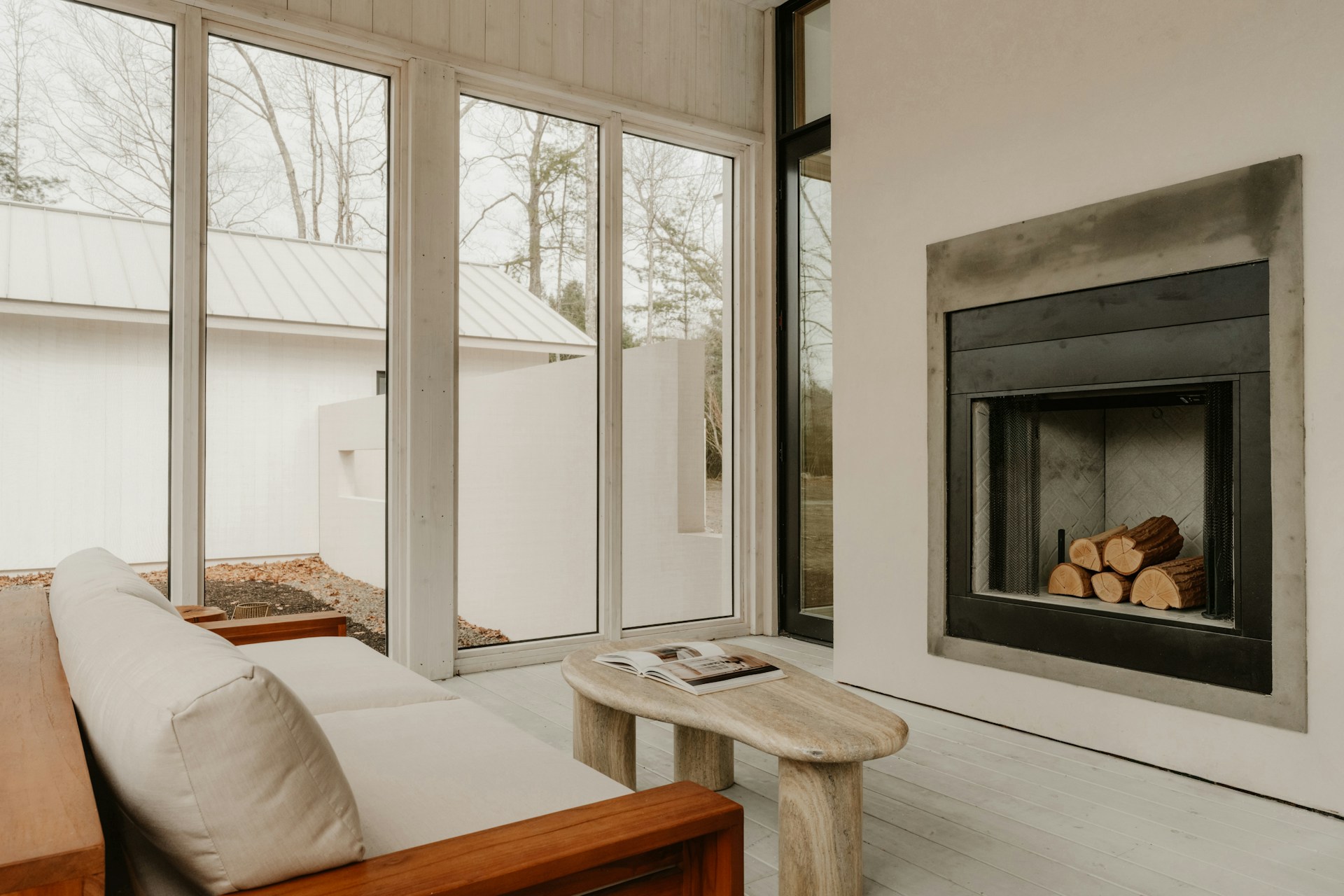
If you have a fireplace, have the chimney inspected before the first fire, and open the damper fully every time. Gas fireplaces should have their pilot checked and glass cleaned.
Drain a few gallons from the bottom of the water heater to clear sediment, since the tank works harder in winter when the incoming water is colder.
Lubricate the garage door springs, rollers and hinges, which get stiff in cold weather and complain loudly on the first cold morning.
Check that exterior lights are working, since dark comes early, and clear the dryer vent to the outside, which fills with lint over a year of use and is a fire risk.
Check the attic for signs of pests. Rodents move indoors when nights get cold, and the attic above a warm house is the obvious place to go.
Where a home warranty fits into a desert winter
Winter is the gentle season for most of the house, which makes it a reasonable time to think about coverage before the summer puts the AC under pressure again. Dwellness has been serving Las Vegas homeowners since 1986 with three plans, Essential, Enhanced and Premium, and all three cover the heating system, the plumbing system including stoppages, the water heater and the electrical system, with optional add-ons for pool and spa equipment and other items. You do not need maintenance records to buy a plan, and coverage can be adjusted for up to 30 days after the initial payment.
A warranty will not pay for the foam pipe sleeves or the new filter, and damage from a pipe that froze because a hose was left attached is the kind of external event a contract can exclude. What it covers is the breakdown that happens anyway: the furnace igniter that fails on the first cold night, the water heater that gives out in January, the pool pump that seizes on a freeze-protection run. The Dwellness plans page lays out what each plan includes, and the home maintenance calendar shows how this winter list fits into the full year.
A Las Vegas winter asks little of a house, and the few things it asks for are easy to miss because they are not the things the rest of the country warns about. Run the heat early, cover the exposed pipes, slow the irrigation and the pool rather than stopping them, and seal the gaps the wind finds. With those done, the only surprises left are the ones a warranty exists for. Request a free quote at dwellness.house or call (702) 509-7007 and have a plan in place before spring.