
Fall is one of the best times of year to give your home a little extra attention. As temperatures begin to drop and winter approaches, a few preventive maintenance tasks can help protect your home, improve comfort, and reduce the risk of unexpected repairs.
A good fall home maintenance checklist should cover both the inside and outside of your home, from preparing your heating system and sealing air leaks to cleaning gutters and protecting outdoor plumbing. Taking care of these projects now can help you head into winter with greater confidence.
Your Fall Home Maintenance Checklist
Not sure where to start? Here is a quick checklist of some of the most important fall maintenance tasks:
- Schedule heating system maintenance
- Replace or clean HVAC filters
- Seal air leaks around doors and windows
- Check attic insulation
- Clean gutters and downspouts
- Inspect your roof
- Inspect and clean your fireplace and chimney
- Test smoke and carbon monoxide detectors
- Winterize outdoor faucets and plumbing
- Store or protect outdoor furniture
- Prepare your lawn and garden
- Check fire extinguishers and emergency supplies
- Inspect indoor plumbing for leaks
- Reverse ceiling fans for cooler weather
Some homes will require additional seasonal maintenance depending on the climate, age of the property, and equipment installed. Think of this list as a starting point you can customize for your home.
1. Prepare Your Heating System
Your heating system may have been sitting mostly unused for months. Before cold weather arrives, make sure it's ready to work reliably.
Start by replacing or cleaning your HVAC filter according to the manufacturer's recommendations. Turn the heat on before you actually need it and listen for unusual noises, pay attention to strange smells, and make sure warm air is reaching the rooms throughout your home.
Fall is also a convenient time to schedule professional HVAC maintenance. A technician can inspect the system and potentially catch developing problems before they become an inconvenient midwinter breakdown.
2. Find and Seal Air Leaks
Small gaps around your home can make a surprisingly big difference in indoor comfort.
Inspect windows and exterior doors for drafts, deteriorating caulk, or worn weather stripping. Sealing these openings helps prevent heated air from escaping and cold outside air from entering, which can reduce the workload on your heating system.
Don't forget less obvious areas such as openings around pipes, vents, and utility penetrations. If your home consistently struggles to stay comfortable, you may also want to evaluate whether the attic has sufficient insulation.
3. Clean Your Gutters and Downspouts
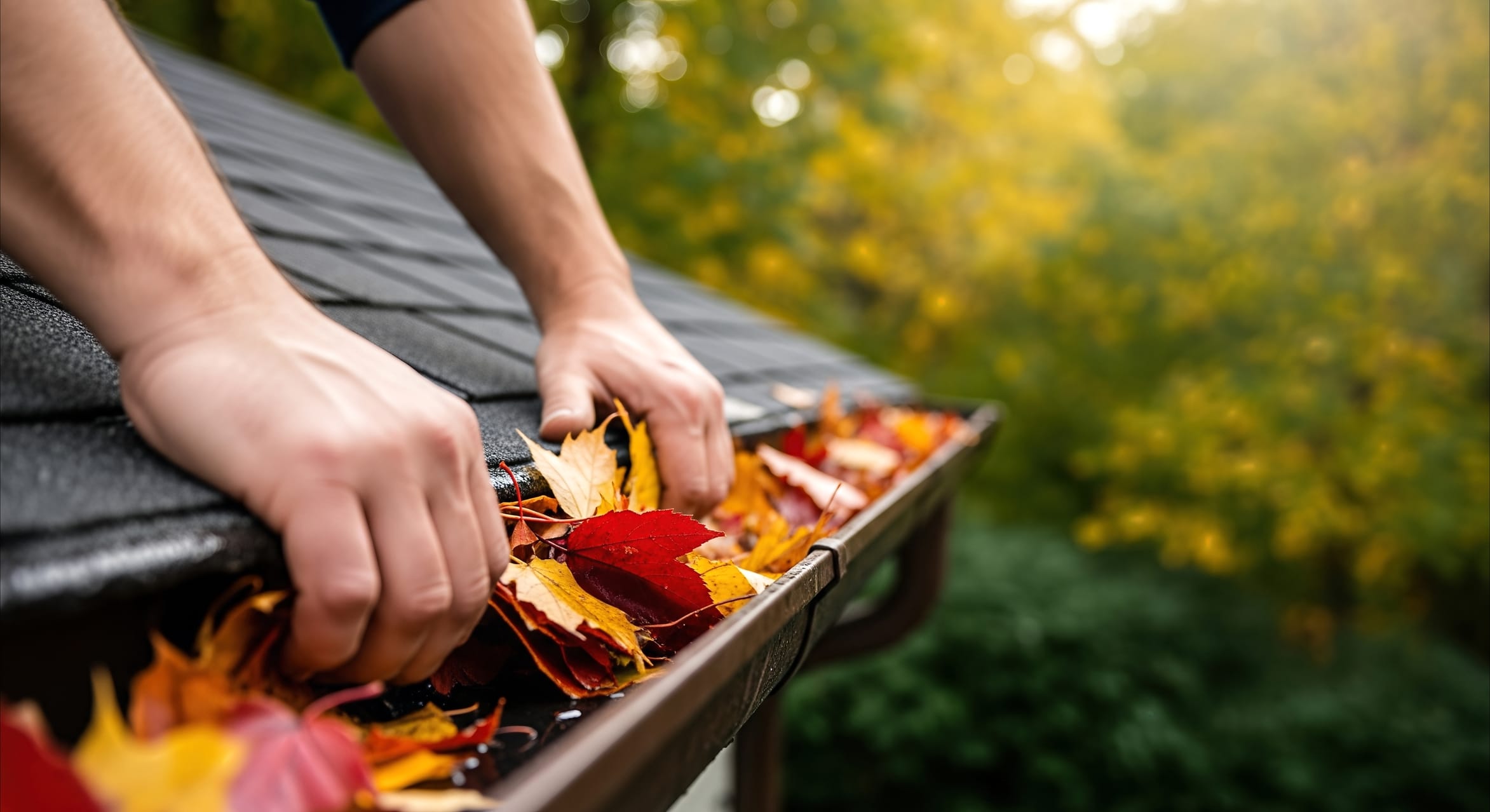
Those colorful fall leaves look much better on the trees than they do packed inside your gutters.
Leaves, twigs, and other debris can create clogs that prevent rainwater and melting snow from draining properly. When water backs up, it can overflow near your siding and foundation or contribute to other moisture problems.
Clean gutters thoroughly and make sure downspouts direct water away from the foundation. While you're there, check for loose sections, leaks, sagging, or other signs that repairs may be necessary.
4. Inspect Your Roof Before Winter
You don't need to climb onto your roof to give it a basic fall inspection.
From the ground, look for missing, loose, curling, or visibly damaged shingles. You can also check your attic and ceilings for discoloration, dampness, or other signs that water may be getting inside.
If you notice something concerning, have a qualified roofing professional perform a closer inspection. Fixing a small roof problem during fall is generally preferable to discovering a leak during winter weather.
5. Have Your Fireplace and Chimney Checked
If your family enjoys gathering around a wood-burning fireplace during colder months, make sure it's ready before lighting that first fire.
Chimneys can accumulate soot and creosote, and obstructions can interfere with proper ventilation. A professional chimney inspection and cleaning can identify buildup, damage, or other potential safety concerns.
Before using your fireplace, also check that the damper opens and closes correctly and keep the surrounding area clear of combustible materials.
6. Protect Outdoor Plumbing
Freezing temperatures can be particularly hard on plumbing systems.
Before the first freeze, disconnect garden hoses and drain them before storing them for the season. Depending on your climate and plumbing configuration, you may also need to shut off and drain outdoor water lines, protect exposed pipes, or install insulated faucet covers.
Don't forget sprinkler and irrigation systems. Proper winterization can help prevent trapped water from freezing, expanding, and damaging components.
7. Put Away Outdoor Furniture and Equipment
Your patio furniture, gardening tools, and outdoor equipment deserve some fall maintenance too.
Clean furniture before moving it into a garage, shed, or other protected area. While preparing the garage for winter, follow our garage door opener maintenance guide to check the opener and its safety features. If furniture needs to remain outside, use an appropriate weather-resistant cover and follow the manufacturer's storage recommendations.
Fall is also a good time to clean and properly store gardening equipment. Taking care of tools before winter makes it easier to get back outside when spring returns.
8. Prepare Your Lawn and Garden
Your yard may be slowing down for the year, but there is still work to do.
Rake or mulch fallen leaves so thick layers don't smother your grass. Trim dead or damaged branches, particularly those hanging near your house, driveway, or power lines. Depending on your climate and landscaping, fall can also be a good time to fertilize, overseed, prune certain plants, or add mulch around garden beds.
Be careful with major tree work. Large or potentially dangerous branches are best handled by a qualified professional.
9. Get the Inside of Your Home Ready
Not every fall maintenance project requires a ladder or trip into the yard.
Take some time to inspect the areas of your home you depend on every day. Check underneath sinks for leaks, look around your water heater for signs of moisture, and inspect hoses connected to your washing machine.
You can also clean exhaust fans, vacuum refrigerator coils if recommended by the manufacturer, and check the dryer vent for excessive lint buildup. These relatively small maintenance tasks can help your appliances and home systems continue operating properly.
10. Check Smoke and Carbon Monoxide Detectors
As heaters and fireplaces begin operating again, fall is an especially important time to check your home's safety equipment.
Test every smoke detector and carbon monoxide detector in your home according to the manufacturer's instructions. Replace batteries when needed and replace detectors that have reached the end of their recommended service life.
Make sure your family also knows where your fire extinguishers are located and how to use them.
11. Review Your Emergency Supplies
Severe weather and power outages can happen with little warning, so use your fall maintenance routine as an opportunity to check your emergency supplies.
Make sure you have working flashlights, fresh batteries, necessary medications, basic first-aid supplies, and other essentials appropriate for your household. If you have a generator, follow the manufacturer's maintenance and operating instructions, including all requirements for safe outdoor placement.
A few minutes of preparation can make an unexpected outage considerably easier to manage.
Fall Maintenance Can Help Prevent Bigger Problems
Preventive maintenance doesn't guarantee that nothing will break. Home systems and appliances contain components that eventually wear down even when they've been properly cared for.
What maintenance can do is give you an opportunity to identify problems earlier, keep equipment operating as intended, and reduce avoidable strain. Fall is particularly useful because you're preparing heating, plumbing, roofing, and other parts of your home before winter puts them to the test.
For the problems you can't prevent, a home warranty can provide another layer of protection by helping with eligible repairs to covered systems and appliances that break down from normal wear and tear.
Key Takeaways
A thorough fall home maintenance checklist doesn't need to become an overwhelming weekend project. Start with the systems that will matter most as temperatures drop, particularly your heating system, roof, gutters, plumbing, and safety equipment.
Seal drafts, prepare outdoor plumbing for freezing weather, and clean up your yard before winter arrives. Inside, check your detectors, inspect appliances and plumbing, and make sure you're prepared for an unexpected outage. Most importantly, don't ignore small warning signs because addressing them early can help prevent more expensive problems later.
FAQs About Fall Home Maintenance
Protect Your Home Through Fall and Beyond With Dwellness
A little fall maintenance can go a long way toward keeping your home comfortable and prepared for the months ahead. But even the best-maintained HVAC system, water heater, plumbing system, or home appliance can eventually experience an unexpected breakdown.
Dwellness helps Las Vegas homeowners prepare for those moments with home warranty coverage designed for the systems and appliances they depend on every day. Contact Dwellness today to learn more about protecting your Las Vegas home and enjoy greater peace of mind through fall, winter, and every season that follows.