
A home warranty offers valuable protection for your home systems and appliances, but it does not cover everything. Most home warranty plans are designed to cover breakdowns caused by normal wear and tear, not every possible issue that can happen in a home. Understanding exclusions upfront helps homeowners avoid surprises and make confident decisions.
Understanding How Coverage Works
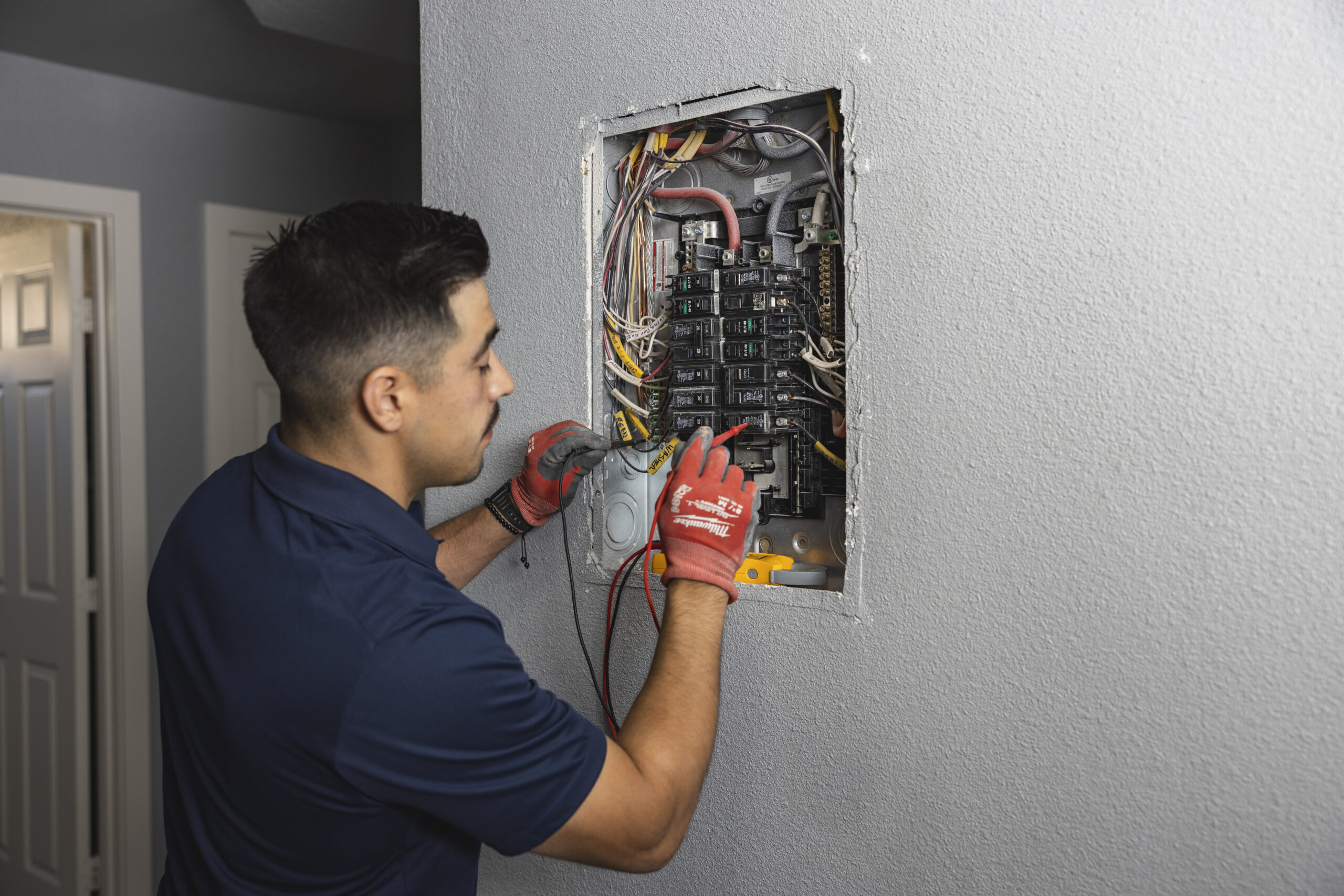
A home warranty cover is built around specific covered items like HVAC, water heater systems, electrical systems, plumbing systems, and major appliances such as refrigerators, washers, and garbage disposals.
When a malfunction occurs due to normal wear and tear, your home warranty coverage can help with repair costs or replacement costs. But when issues fall outside those conditions, they are typically not included.
That is where exclusions come into play.
Common Exclusions in Home Warranty Plans
Every home warranty provider outlines exclusions in the service contract. While details vary, most home warranty companies share similar limitations.
1. Pre-Existing Conditions
If a problem existed before your coverage began, it is usually not covered. This includes issues discovered during a real estate transaction or after move-in.
2. Lack of Maintenance or Improper Maintenance
Home systems require routine care. If a breakdown is caused by a lack of maintenance or improper maintenance, it may not qualify for a warranty claim.
For example:
- An HVAC system that was never serviced
- A water heater with a heavy buildup
- A washing machine damaged by neglect
3. Improper Installation
Systems or appliances that were installed incorrectly may not be covered. Improper installation can lead to early malfunction, which falls outside standard coverage.
4. Cosmetic Damage
A home warranty focuses on functionality, not appearance. Cosmetic issues such as dents, scratches, or minor wear are not covered.
5. Secondary Damage
If a covered item fails and causes additional damage, that secondary damage is often excluded.
For example:
- A leaking appliance that causes water damage to the flooring
- A plumbing issue that leads to structural damage
These situations are typically handled by homeowners’ insurance, not a home warranty.
6. Natural Disasters and External Events
Events like storms, fires, or other natural disasters are not included in home warranty coverage. These are covered under a homeowner’s insurance policy or home insurance.
7. Structural Components
A home warranty does not cover structural elements such as walls, roofing, or foundation issues. Roof leaks, for example, are typically excluded unless specific additional coverage is purchased.
8. Certain Systems and Add-Ons
Some items are not included in standard plans but may be available through optional coverage or add-on options.
These may include:
- Septic systems
- Well pumps
- Pool and spa equipment
Without additional coverage, these systems are not part of basic home warranty plans.
9. Coverage Limits and Service Fees
Even when something is covered, coverage limits apply. If repair costs exceed those limits, the remaining balance becomes out of pocket.
Service fees also apply each time you submit a warranty claim.
10. Waiting Period Restrictions
Most home warranty plans include a waiting period before coverage begins. Breakdowns that occur during this time are not eligible for coverage.
Why Exclusions Matter
Understanding common exclusions helps homeowners:
- Set realistic expectations for home protection
- Avoid denied warranty claims
- Plan for out-of-pocket expenses when needed
- Choose the right coverage options or add-ons
A home warranty works best when paired with homeowners’ insurance, which covers larger events like water damage or natural disasters. Review our home warranty vs home insurance guide to understand the distinction between breakdown coverage and protection against covered events.
What Is Typically Covered
While this blog focuses on what is not covered, it is important to remember what a home warranty is designed to do.
It helps cover repairs for:
- HVAC systems and air conditioning
- Heating systems
- Electrical systems
- Plumbing systems
- Major appliances like refrigerators, washers, and garage door openers
This core coverage provides peace of mind for everyday breakdowns tied to normal wear and tear.
Key Takeaways
- Home warranty coverage focuses on breakdowns caused by normal wear and tear
- Pre-existing conditions, improper installation, and lack of maintenance are common exclusions
- Cosmetic damage and secondary damage are not covered
- Natural disasters and structural issues fall under homeowners’ insurance
- Add-ons may be required for systems like septic systems or well pumps
- Coverage limits, service fees, and waiting periods all affect how claims are handled
- Reading the fine print of your service contract is essential
FAQs About What Home Warranties Do Not Cover
Get Clear Coverage with Dwellness
A home warranty is most valuable when you understand exactly what it covers and what it does not. At Dwellness, we believe in transparency, clear service contracts, and helping homeowners feel confident in their coverage.
If you are comparing home warranty providers or looking for dependable home protection, contact Dwellness today to learn more and get a free quote.