
Your HVAC system works hard to keep your home comfortable year-round, but it doesn’t usually stop working without warning. In many cases, your heating and cooling system will show signs that something isn’t quite right long before it completely breaks down.
Here’s a quick checklist of the most common signs you need HVAC repair:
- Your home isn’t heating or cooling properly.
- Airflow feels weak or inconsistent.
- Your energy bills keep increasing.
- The system turns on and off frequently (short cycling).
- You hear unusual noises.
- Strange odors are coming from your vents.
- Your home feels more humid than usual.
- You notice water leaks or excess moisture.
- Your thermostat isn’t responding correctly.
- Your HVAC system needs frequent repairs.
- Your system is getting older and becoming less reliable.
If you’ve noticed one or more of these warning signs, it’s worth scheduling an inspection before a minor repair becomes a major expense.
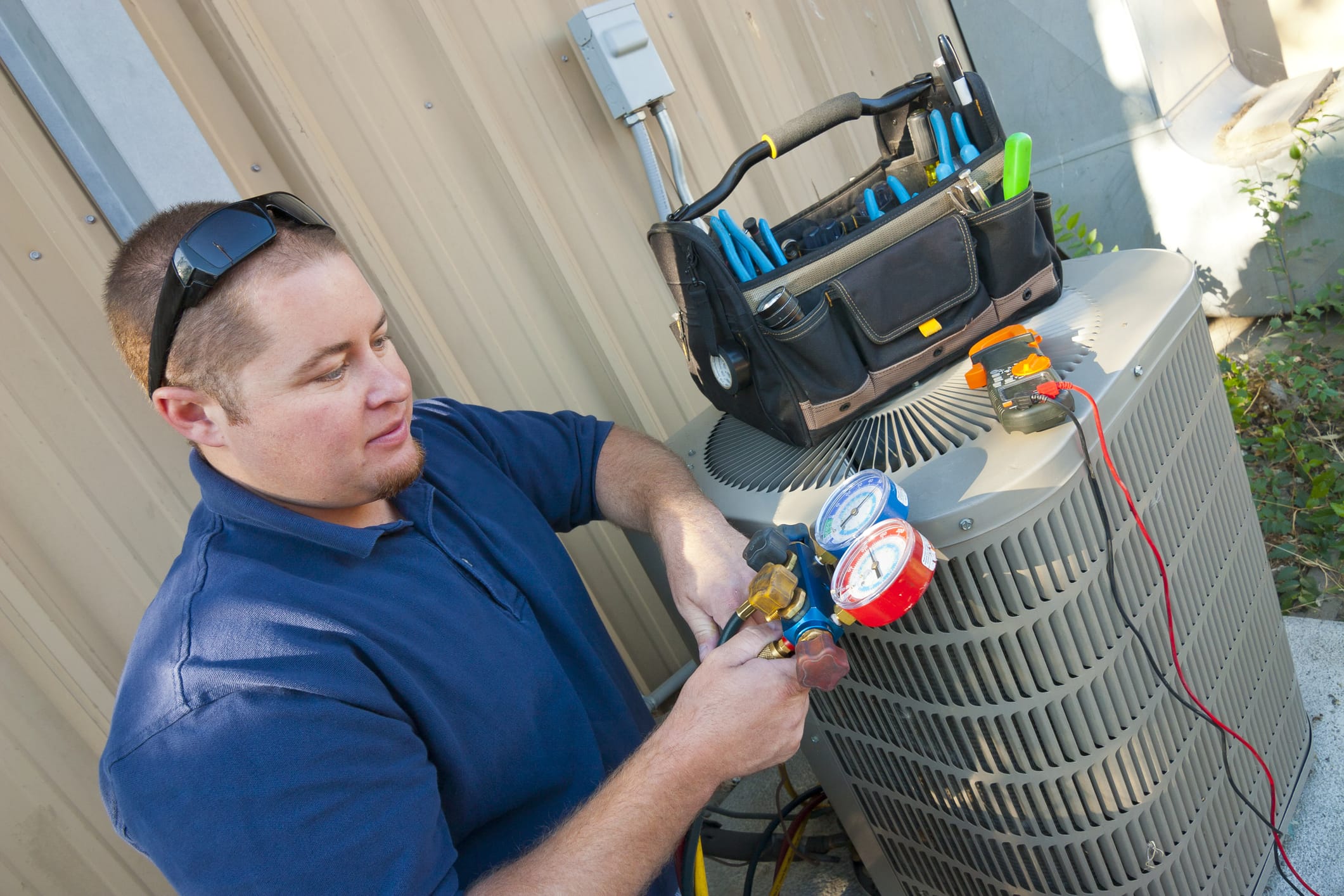
1. Your Home Isn't Heating or Cooling Properly
One of the clearest signs you need HVAC repair is when your home simply doesn't stay comfortable.
If your air conditioner runs constantly but never reaches the temperature you've set, or your furnace struggles to keep your home warm during colder months, something within the system may not be operating correctly. Low refrigerant, dirty coils, worn components, or airflow restrictions are just a few issues that can reduce your system's performance.
The longer you ignore poor heating or cooling, the harder your HVAC system has to work, which may increase wear on other components.
2. Airflow Feels Weak or Inconsistent
Every room in your home should receive a relatively even amount of conditioned air.
If one room feels comfortable while another barely receives airflow, your HVAC system may have clogged filters, blocked ductwork, failing blower components, or other issues affecting circulation. Weak airflow also forces the system to run longer to maintain the desired temperature.
A professional inspection can determine whether the problem is within the equipment itself or elsewhere in your home's duct system
3. Your Energy Bills Keep Climbing
An unexpected increase in utility bills often points to an HVAC system that's no longer operating efficiently.
As parts wear out, your equipment has to work harder to achieve the same results. That extra runtime translates directly into higher energy consumption, even if your daily habits haven't changed.
While energy costs naturally fluctuate throughout the year, consistently rising bills without another explanation deserve attention.
4. Your HVAC System Short Cycles
Short cycling occurs when your heating or cooling system repeatedly turns on and off without completing a full cycle.
This may happen because of an oversized system, thermostat issues, restricted airflow, overheating components, or electrical problems. Frequent cycling increases wear on motors, compressors, and other expensive parts while making it harder to maintain a comfortable indoor temperature.
Ignoring short cycling can shorten the overall lifespan of your HVAC equipment.
5. You're Hearing Unusual Noises
Your HVAC system should produce a steady, familiar operating sound. Loud or unusual noises usually indicate that something has changed.
Pay attention to sounds such as:
- Banging
- Grinding
- Squealing
- Rattling
- Buzzing
- Clicking
These noises may point to loose parts, failing bearings, electrical problems, or damaged blower components. Having the issue diagnosed early can often prevent more extensive repairs.
6. Strange Odors Are Coming From the Vents
Your HVAC system shouldn't produce unpleasant smells during normal operation.
A musty odor may indicate mold or mildew somewhere within the system, while burning smells could suggest overheating electrical components. In some cases, unusual odors simply result from dust burning off after a long period without use, but persistent smells should always be investigated.
Any odor accompanied by visible smoke or signs of overheating should be treated as an emergency.
7. Your Home Feels More Humid Than Usual
Your air conditioner does more than cool your home. It also helps remove excess humidity from the air.
If your home suddenly feels damp or sticky despite the AC running regularly, the system may no longer be removing moisture effectively. Poor humidity control can make your home feel warmer than it actually is and may contribute to indoor air quality concerns over time.
Proper HVAC performance helps maintain both temperature and humidity.
8. You Notice Water Leaks or Excess Moisture
Small amounts of condensation are normal, but standing water around your HVAC equipment is not.
Moisture may indicate a clogged condensate drain, frozen evaporator coil, refrigerant issue, or other mechanical problem. Water leaks should never be ignored because they can eventually lead to water damage, mold growth, or additional repairs beyond the HVAC system itself.
Prompt attention often keeps these problems from becoming much more expensive.
9. Your Thermostat Doesn't Seem to Work Correctly
Sometimes the HVAC equipment isn't the problem at all.
If your thermostat displays the wrong temperature, doesn't respond to adjustments, or causes inconsistent heating and cooling, it may need recalibration, repair, or replacement. Since the thermostat acts as the system's control center, even a small malfunction can affect overall performance.
Diagnosing thermostat issues early helps avoid unnecessary strain on the rest of the system.
10. You're Scheduling Repairs More Frequently
Every HVAC system requires occasional maintenance and repairs as it ages. Our AC maintenance checklist can help you keep up with preventive care between service visits.
However, if you're calling for service multiple times each year, those repair bills can quickly add up. Frequent breakdowns often indicate that the system is nearing the end of its useful life or that several major components are beginning to wear out.
At some point, replacing the system may become more economical than continuing to repair it.
11. Your HVAC System Is More Than 15 Years Old
Age alone doesn't mean your HVAC system needs to be replaced, but it should encourage closer monitoring.
Most heating and cooling systems have an expected lifespan of approximately 10 to 15 years with proper maintenance. As equipment ages, efficiency typically declines while the likelihood of expensive repairs increases.
If your older system is also showing several of the warning signs above, it's a good time to discuss your options with an HVAC professional.
Don't Wait Until Your HVAC Stops Working
Many HVAC failures begin as relatively small problems that worsen over time.
Scheduling service when you first notice unusual behavior often helps prevent larger repairs and keeps your system operating more efficiently. Even if the issue turns out to be minor, early diagnosis provides peace of mind and may help extend the life of your equipment.
Regular maintenance remains one of the best ways to reduce unexpected breakdowns throughout the year.
Key Takeaways
- Poor heating or cooling is one of the most common signs you need HVAC repair.
- Weak airflow and rising energy bills often indicate declining system efficiency.
- Short cycling places additional strain on HVAC components.
- Strange noises and unusual odors should never be ignored.
- Water leaks and excess humidity may point to mechanical problems.
- Thermostat issues can affect the entire heating and cooling system.
- Frequent repairs and advanced system age may indicate it's time to consider replacement.
Frequently Asked Questions
Protect Your Las Vegas Home with Dwellness
Your HVAC system is one of the most important investments in your Las Vegas home, and catching problems early can help you avoid costly breakdowns when temperatures soar. While routine maintenance is essential, unexpected repairs can still happen even with the best care.
Dwellness helps Las Vegas homeowners protect eligible HVAC systems and other essential home systems through dependable home warranty coverage. Contact Dwellness today to learn more about our plans and discover how we can help you stay prepared for unexpected repairs while keeping your home comfortable year-round.