
A good AC maintenance checklist includes regularly changing the air filter, keeping the outdoor unit clean, checking vents and airflow, inspecting the condensate drain, monitoring thermostat performance, and scheduling professional maintenance. Taking care of these tasks can help your air conditioning system operate efficiently, reduce unnecessary wear, and catch developing problems before they turn into larger repairs.
Regular AC maintenance is especially important before the hottest part of the year. Once temperatures climb, the last thing you want is to discover that your air conditioner is not prepared to keep up.
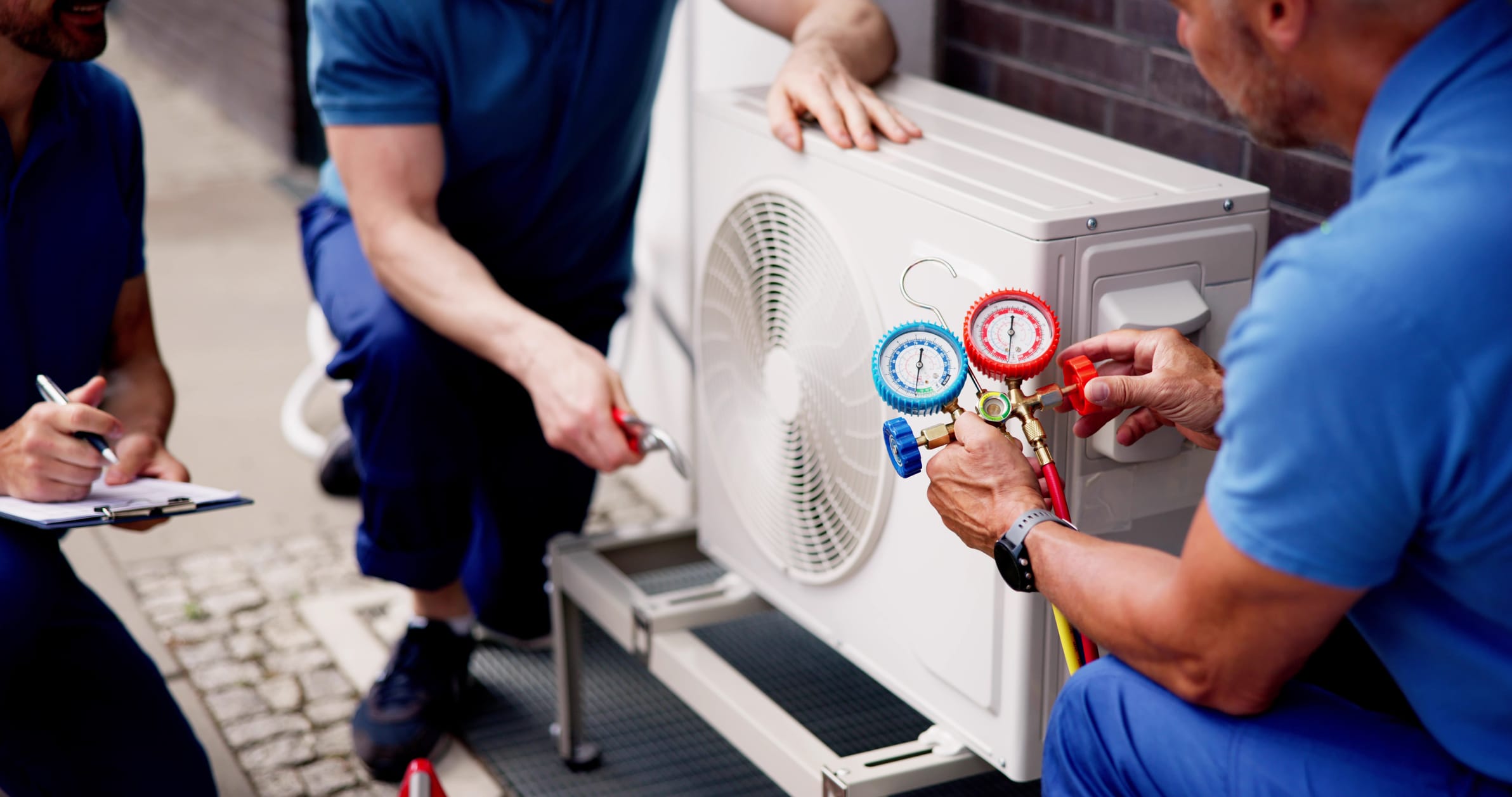
AC Maintenance Checklist
Some air conditioning maintenance can be handled by homeowners, while other tasks should be left to a qualified HVAC professional.
Use this checklist as a starting point:
- Replace or clean the air filter as recommended
- Check supply and return vents for obstructions
- Clean around the outdoor condenser unit
- Inspect the outdoor unit for visible damage
- Check the condensate drain for signs of a clog
- Look for moisture or water around the system
- Check your thermostat and settings
- Pay attention to unusual sounds and odors
- Monitor airflow throughout the home
- Check for unexpectedly warm rooms
- Watch for unexplained increases in energy bills
- Schedule professional AC maintenance
- Address small problems before peak cooling season
Your specific HVAC system may have additional maintenance requirements, so always follow the manufacturer's recommendations.
1. Replace or Clean Your Air Filter
Checking your HVAC filter is one of the simplest and most important maintenance tasks you can perform.
As the filter collects dust, pet hair, and other particles, airflow can become restricted. Your AC may then need to work harder to circulate conditioned air through your home.
How frequently you need to replace or clean the filter depends on the filter type, system, household, and manufacturer's recommendations. Homes with pets, heavy HVAC use, or greater amounts of airborne debris may need more frequent filter changes.
Make checking the filter a regular habit rather than waiting until AC performance begins declining.
2. Keep the Outdoor AC Unit Clear
Your outdoor condenser needs sufficient airflow to operate properly.
Leaves, weeds, grass clippings, and other debris can accumulate around the unit. Periodically inspect the area and remove loose debris that could restrict airflow.
Keep plants and landscaping from crowding the equipment, too. Avoid placing objects directly against the condenser or using the area around it for storage.
The outdoor unit itself may also collect dirt. More involved coil cleaning should be performed according to manufacturer recommendations and may be best handled during professional HVAC maintenance.
3. Check Your Vents and Airflow
Walk through your home while the air conditioner is operating and pay attention to the airflow from your supply vents.
Furniture, rugs, curtains, or other objects should not obstruct registers. Keeping vents accessible helps conditioned air circulate through the rooms as intended.
Changes in airflow can also provide an early warning that something is wrong. If one room suddenly receives much less air than it used to, the issue could involve ductwork, a damper, the blower, or another part of the HVAC system.
Closing a large number of vents is not necessarily an effective way to save energy and can interfere with how some systems are designed to operate.
4. Check the Condensate Drain
Your air conditioning system does more than cool the air. It also removes moisture.
That moisture needs somewhere to go, which is why AC systems typically have a condensate drainage system. Algae, dirt, or other buildup can contribute to a clogged drain and potentially cause water to back up.
Watch for standing water, moisture around the indoor HVAC equipment, musty odors, or other signs of drainage problems.
Homeowners may be able to perform basic condensate drain maintenance depending on the system, but recurring clogs or leaks deserve professional attention.
5. Test Your Thermostat
A thermostat problem can sometimes look like an AC problem.
Make sure your thermostat is set to cooling mode and that the temperature setting makes sense for your home. If it uses batteries, replace them according to the manufacturer's recommendations.
Then pay attention to how the system responds. Does it start when expected? Does it shut off after reaching the desired temperature? Does the indoor temperature seem to match the thermostat reading?
A thermostat that provides inaccurate readings or communicates improperly with your HVAC equipment can affect both comfort and system performance.
6. Pay Attention to Your Energy Bills
Your utility bill can sometimes reveal an AC problem before the system stops cooling altogether.
Higher energy use during summer is normal, especially as outdoor temperatures rise. What deserves attention is an unexplained increase compared with similar periods of use.
Dirty components, restricted airflow, ductwork problems, aging equipment, and mechanical issues can all potentially make an air conditioner work harder.
A high bill by itself does not diagnose the problem, but it can be a reason to take a closer look at system performance.
7. Listen for Unusual AC Noises
You know what your air conditioner normally sounds like.
Sudden grinding, rattling, squealing, banging, or persistent clicking should not be ignored. Different noises can point to different issues, from loose components to fan or motor problems.
Similarly, an AC system that begins cycling on and off unusually frequently may need attention.
Do not attempt to disassemble HVAC equipment to investigate internal mechanical or electrical problems yourself. Have a qualified professional diagnose anything beyond basic homeowner maintenance.
8. Watch for Leaks and Moisture
Water around an AC system may indicate a condensate drainage problem, while other types of leakage can require more specialized diagnosis.
Refrigerant issues should always be handled by a qualified professional. Refrigerant is part of a sealed cooling system and is not something homeowners should attempt to refill as a DIY maintenance task.
If your air conditioner is losing cooling capacity, icing over, or showing other signs of a possible refrigerant problem, schedule professional service.
9. Schedule Professional AC Maintenance
DIY maintenance has limits.
A professional HVAC tune-up can go beyond changing a filter and clearing debris. Depending on the system and service performed, a technician may inspect electrical components, coils, drainage, motors, refrigerant-related performance, temperature differences, and other operating conditions.
Professional maintenance can also help identify worn or failing components before the hottest part of the season puts maximum demand on the system.
Think of homeowner maintenance and professional maintenance as complementary rather than interchangeable.
How Often Should You Service Your AC?
For many homeowners, scheduling professional air conditioning maintenance once a year is a practical routine. Spring is particularly convenient because it allows you to prepare the system before peak summer cooling demand.
Your system's manufacturer may provide a specific maintenance schedule, so follow those recommendations when available.
Homes in extremely hot climates deserve particular attention. In a place like Las Vegas, an AC system can run extensively for months at a time. That heavy workload makes preventive maintenance especially valuable.
When Is the Best Time for AC Maintenance?
Ideally, schedule AC maintenance before you desperately need your air conditioner.
Spring is usually a convenient time because the cooling season has not yet reached its peak. You can identify potential problems without discovering them for the first time during an extremely hot afternoon.
That does not mean you should ignore a maintenance problem simply because summer has already arrived. If your AC is showing signs of trouble, address them promptly regardless of the month.
DIY AC Maintenance vs. Professional Service
Homeowners can handle plenty of basic maintenance.
Changing filters, removing debris around the outdoor unit, keeping vents clear, checking thermostat settings, and watching for performance changes are all reasonable homeowner tasks.
Professional HVAC technicians should generally handle work involving electrical components, refrigerant, internal mechanical repairs, detailed system testing, and other specialized procedures.
Knowing where DIY maintenance should stop is part of maintaining your system safely.
Signs Your AC Needs Maintenance or Repair
Your air conditioner does not need to stop working completely before you call for help.
Watch for:
- Weak airflow
- Warm air coming from vents
- Uneven temperatures between rooms
- Unusual noises
- Unpleasant or musty odors
- Frequent cycling
- Increasing energy use
- Water around HVAC equipment
- Ice forming on the system
- Difficulty reaching the thermostat setting
- Longer-than-normal cooling cycles
Some of these symptoms may indicate routine maintenance needs, while others could signal an actual component failure. A professional diagnosis can determine the difference.
Why Regular AC Maintenance Matters
Regular maintenance is not a guarantee that your AC will never break down. Components still wear out over time.
What maintenance can do is help your system operate under better conditions. Proper airflow, clean components, working drainage, and early identification of developing problems can reduce avoidable strain.
Maintenance may also support energy efficiency, indoor comfort, equipment longevity, and manufacturer warranty requirements. Most importantly, it reduces the chances that a preventable issue goes unnoticed until your AC is working its hardest.
Key Takeaways
A useful AC maintenance checklist combines simple homeowner tasks with regular professional service. Change your air filter, keep the outdoor unit clear, check vents and drainage, monitor your thermostat, and pay attention to changes in cooling performance.
Schedule professional maintenance according to your system's requirements, ideally before peak cooling season. If you notice weak airflow, unusual noises, leaks, frequent cycling, or declining cooling performance, do not wait for a complete breakdown before having the problem evaluated.
In hot climates such as Las Vegas, preventive AC maintenance is particularly important because cooling systems face months of demanding use every year.
FAQs About AC Maintenance
Keep Your Las Vegas AC Ready With Dwellness
In Las Vegas, air conditioning is one home system you do not want to neglect. Following an AC maintenance checklist can help keep your system in better condition, but even properly maintained equipment can eventually experience a breakdown from normal wear and tear.
Dwellness takes home protection a step further by helping homeowners think proactively. Dwellness Premium includes a complimentary annual HVAC tune-up, helping you stay on top of preventive maintenance while home warranty coverage provides protection for eligible covered breakdowns.
Contact Dwellness today to learn more about protecting your Las Vegas home, keeping your AC prepared for the desert heat, and making unexpected repairs easier to manage.