
A seller’s home warranty is a home warranty that a homeowner buys to help cover certain repairs while a property is listed. It can also be transferred in a real estate deal. That matters because unexpected breakdowns love timing, the day before photos, during escrow, or right after move-in.
It also helps to know what it isn’t. Homeowners’ insurance is built for big events like fire, theft, or some natural disasters. A home warranty is for normal wear and tear on covered items, like an aging hvac system or a tired water heater. In short, it’s budget help and peace of mind during a home sale.
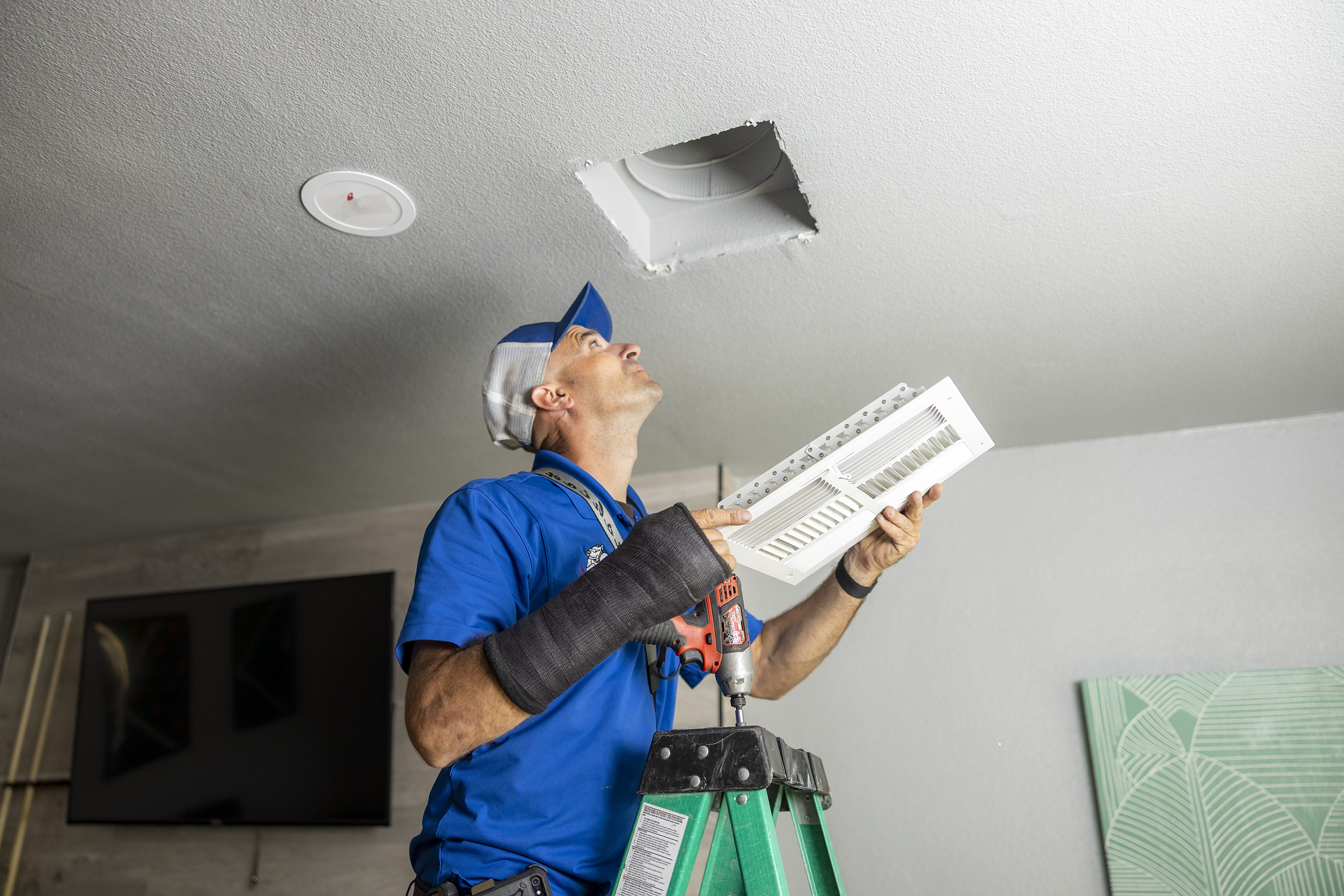
What a seller's home warranty is and when it helps most
Think of a seller's home warranty as a service contract that can reduce repair costs tied to covered items failing from normal wear and tear. During the listing period, seller coverage can keep small problems from turning into deal drama. After closing, homebuyers often value protection in the first year, when they're already spending on moving and setting up the home.
In real estate, it's also a signal. Potential buyers see that you planned for breakdowns instead of hoping nothing happens. Still, every home warranty provider has exclusions and coverage limits, so the contract details matter. For more context on how warranties fit into transactions, see this guide on the role of warranties in real estate deals.
How it works during the listing period and the first year after closing
Most home warranty companies follow a similar flow:
- Your realtor or real estate agent helps set up the warranty service for the listing.
- A breakdown happens, and you file a service request.
- You pay the service fee, then a technician diagnoses the issue.
- If covered, the company repairs or replaces under home warranty coverage.
- At closing, the plan can transfer to homebuyers for the first year.
What it can cover, plus common add-ons sellers should consider
A typical home warranty plan focuses on home systems and the stuff buyers ask about first. That usually includes major systems like hvac, air conditioning, electrical systems, plumbing, and a water heater. Many plans also help with major appliances, for example, a washer, a built-in microwave, and garbage disposals, plus other home appliance repairs.
Coverage options vary, so compare what the home warranty cover language actually promises. Add-ons may be worth it if your property needs them, such as a well pump, septic system, or sump pump protection. Also, ask about items that can be limited or excluded, like a roof leak, depending on the home warranty provider and contract terms.
The real value isn't the promise of "everything," it's knowing what's covered, what's capped, and what's excluded.
What's usually not covered (and why sellers should read exclusions)
Common exclusions include pre-existing issues, improper installation, code violations, cosmetic damage, misuse, and problems not tied to normal wear and tear. Some plans limit roof leak coverage, and systems like a well pump, septic system, or sump pump often require add-ons and have strict coverage limits.
Why sellers, buyers, and agents like it in real estate deals
For homeowners, a warranty can reduce last-minute repair costs and fewer renegotiations after inspection. For real estate agents and realtors, it can mean a calmer escrow and fewer "who pays for this?" calls. Buyers like it because early breakdowns feel less scary, whether it's a seller's market or a slower market. That's why warranties often show up as a simple incentive that supports homeownership confidence.
Home warranty vs homeowners insurance: a quick, clear comparison
Homeowners’ insurance helps with disasters like fire or theft. A home warranty helps when an hvac system or water heater fails from wear, during everyday homeownership.
FAQ: seller's home warranty questions that come up at closing
Contact Dwellness
A seller's home warranty can be a practical tool, not a magic shield. It can lower stress, control repair costs, and reduce surprise fights in real estate. Just read the contract for exclusions and coverage limits.
For Las Vegas area homeowners, Dwellness offers a local-first approach and a simple service request process. The service fee is typically $100 or $125, depending on plan, and coverage can include essential systems and appliances like HVAC, plumbing, electrical, and appliances, subject to contract limits and exclusions. To get started, call 702-641-8888 or fill out a form.