
When the summer heat in Las Vegas hits its peak, the last sound any of the local homeowners wants to hear is the mechanical groan of a dying HVAC unit. Whether you are dealing with a total system replacement or a sudden HVAC repair, the immediate question is always about the price tag.
The average cost for a new HVAC system is rarely a single number you can find on a menu. In recent years, national HVAC replacement costs typically fall in a wide price range from $5,000 to over $14,000. Why is it so vague? Because your total cost depends on the specific needs of your home and the types of hvac systems you are considering.
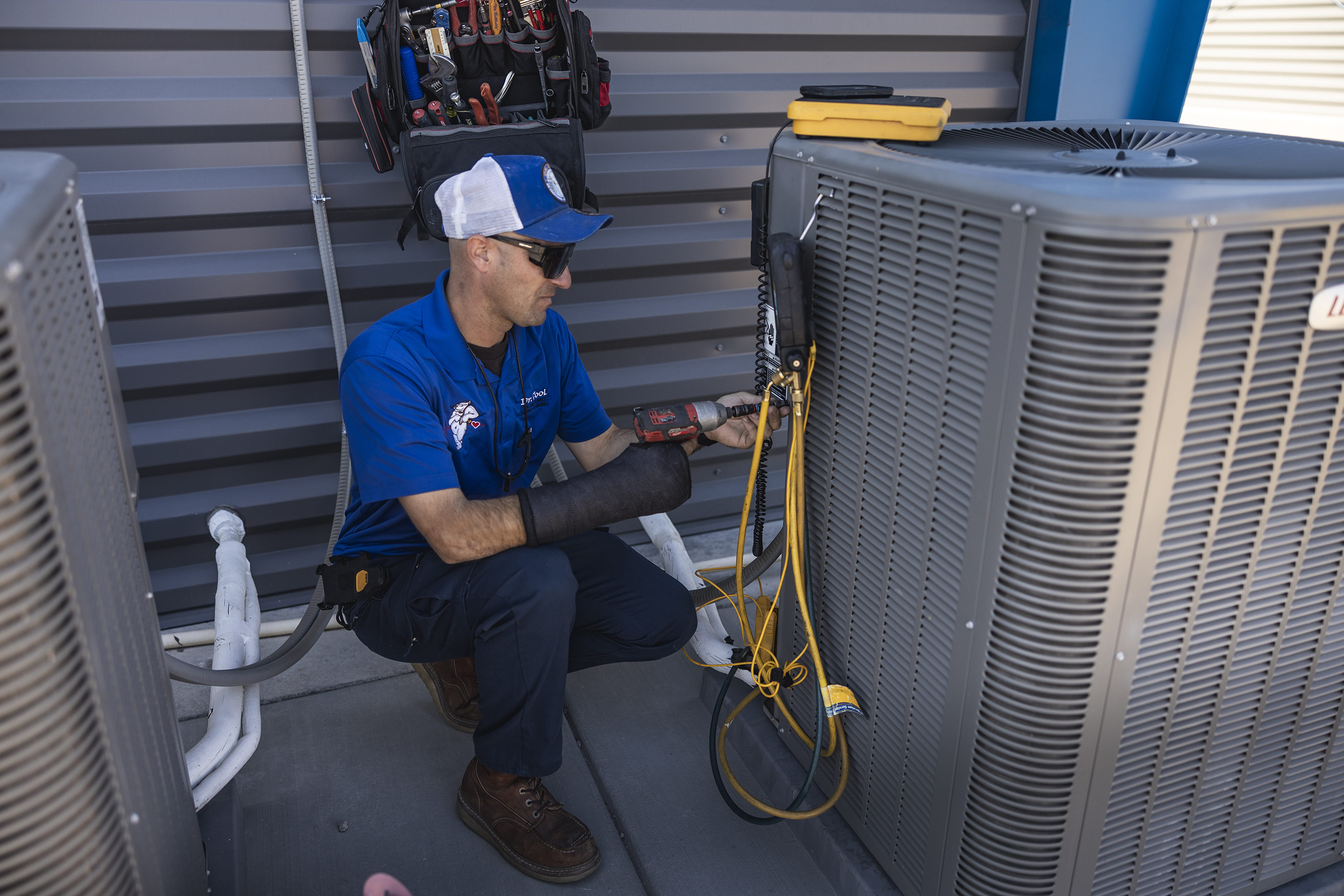
Key Factors That Drive the Price
When you start getting quotes from hvac contractors, several key factors will move that final number up or down.
1. Home Size and BTUs
The square footage of your living space is the primary determinant for your system size. A home with 2,500 square feet requires more BTUs (cooling power) than a small condo. If your AC unit is too small, it will struggle to maintain comfort; if it is too big, it will cycle on and off too quickly, which shortens its lifespan.
2. Efficiency Ratings (SEER2 and AFUE)
The energy efficiency of your new HVAC unit is measured by the seasonal energy efficiency ratio (now updated to SEER2) and AFUE for your heating system. While high-efficiency systems have a higher upfront cost, they offer significant energy savings on your utility bills over time. Moving from an old 10 seer rating to a higher efficiency 18 SEER2 model can slash your cooling energy bills by nearly 50 percent.
3. Installation Complexity
Are you doing a simple "change-out" of your current system, or do you need to replace existing ductwork? If your ductwork is leaky or undersized, it ruins airflow and efficiency. Adding ductless mini-splits, replacing an outdoor unit, or modifying the blower and refrigerant lines all add to the installation costs and labor costs.
The Upfront Cost vs. Long-Term Value
It is easy to focus only on the upfront investment, but savvy homeowners look at the overall cost. In 2026, you can offset the hvac system cost through various incentives:
- Tax Credits: Federal tax credits can cover 30 percent of the cost of high-efficiency equipment, up to $2,000 for a heat pump or $600 for a central air conditioner.
- Rebates: Your local utility company may offer instant rebates for installing efficiency systems.
- Smart Tech: Adding smart thermostats or advanced thermostats can further reduce utility bills by optimizing your year-round usage.
How Dwellness Saves You
At Dwellness, we have been serving our Las Vegas neighbors for over 40 years. We know that a full hvac replacement is a massive out-of-pocket hit that most families aren't ready for.
This is why a warranty is so valuable. While homeowners’ insurance might not cover a component that fails due to normal wear and tear, our home warranty plans do. Whether it is a central AC issue, a gas furnace failure, or a problem with your split system, we are the partner that helps you manage repair costs without the stress of a DIY disaster.
We approve 97 percent of claims because we want to provide peace of mind, not a list of exclusions. Regular hvac maintenance is the best way to extend the life of your unit, and many of our plans include maintenance checks to keep your indoor air quality high and your cooling systems running smoothly.