
A running toilet is usually caused by a faulty flapper, fill valve, float arm, or water level issue inside the toilet tank. In many cases, homeowners can handle a simple toilet repair with a few basic steps and parts from a hardware store. But if the toilet keeps running after basic troubleshooting, or if you notice a larger toilet leak, it may be time to call a professional plumber.
A toilet that will not stop running may seem like a small problem, but it can waste gallons of water every day and drive up your water bill. The sooner you understand the most common causes, the easier it is to protect your home, your plumbing system, and your monthly utility bills.
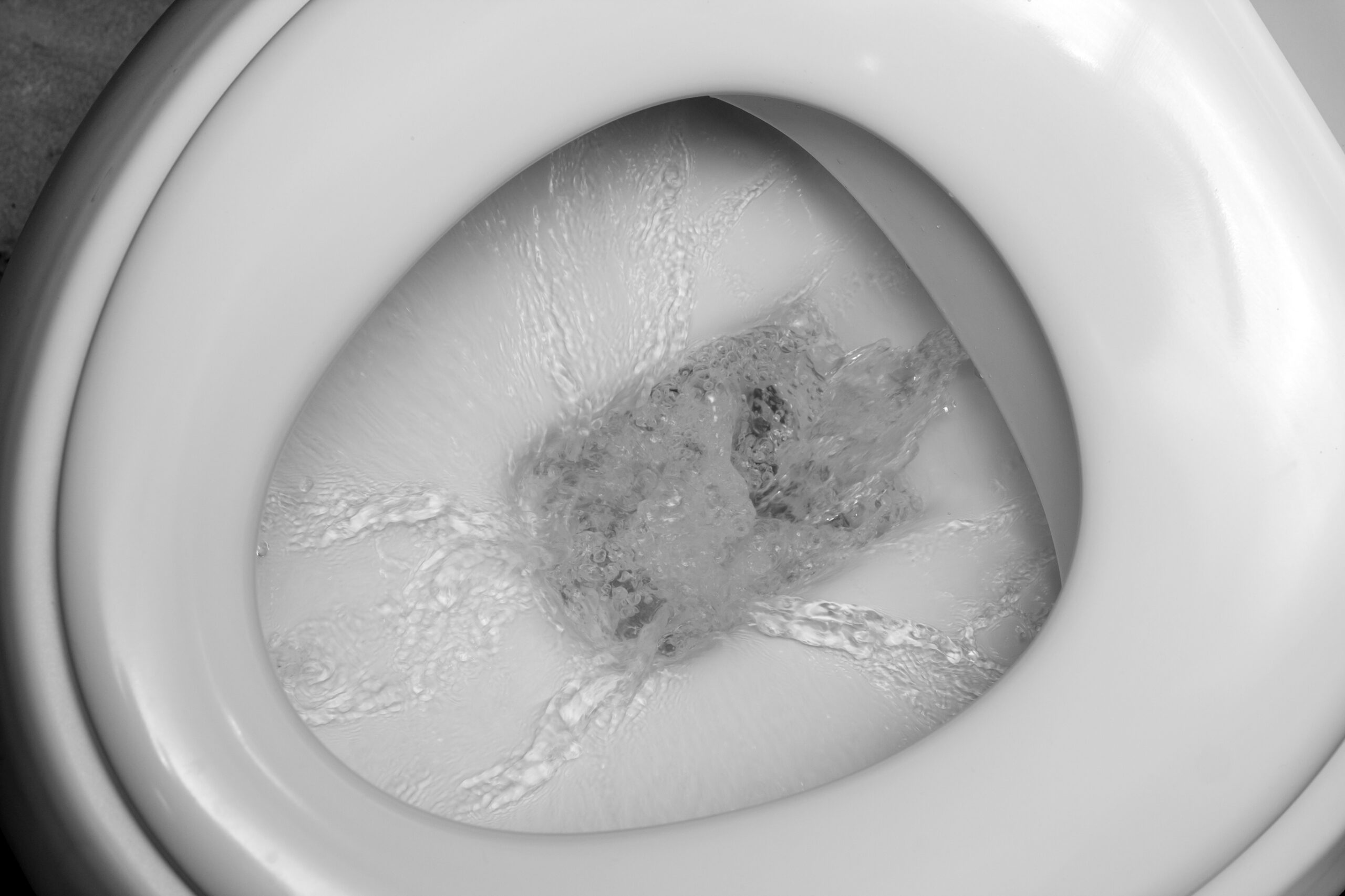
Why a Running Toilet Matters
When your toilet works properly, fresh water fills the tank, the flush mechanism releases water into the toilet bowl, and the tank fills again to the correct water level. When something inside that system fails, water flows continuously instead of stopping after the flush.
That constant running water is more than annoying. It can waste a surprising amount of water, create unnecessary strain on plumbing components, and increase utility bills over time. A simple adjustment or part replacement may solve the issue quickly, but ignoring it can turn a small fix into a bigger plumbing concern.
The Most Common Causes of a Running Toilet
A running toilet usually starts with one of a few parts inside the toilet tank. These components work together every time you flush, so even a small malfunction can keep water moving when it should stop.
Common causes include:
- A faulty flapper that does not seal at the bottom of the tank
- A fill valve that will not shut off properly
- A float ball or float arm set too high
- A water level that rises into the overflow tube
- A stuck flush handle or a loose toilet handle
- Mineral buildup around the flush valve or flapper seal
- Water pressure issues affecting how the tank fills
The good news is that many of these issues are easy to spot once you remove the toilet tank lid and look inside.
Step-by-Step Guide to Fixing a Running Toilet
- Start by removing the tank lid and setting it somewhere safe.
- Flush the toilet and watch how the internal parts move. This quick observation can tell you whether the flapper is sealing, whether the fill valve shuts off, and whether the water level is too high.
- Check the flapper. The flapper sits at the bottom of the tank and lifts when you flush. If it is warped, cracked, loose, or covered in mineral buildup, water may continue leaking into the toilet bowl. Replacing a faulty flapper is one of the easiest DIY fixes and usually requires only a few minutes.
- Check the water level. If the water rises above the recommended line or flows into the overflow tube, the float may need adjustment. On older toilets, you may have a float ball connected to a float arm. On newer toilets, the float is often part of the fill valve assembly. Lowering the float slightly can stop excess water from spilling into the overflow tube.
- If the tank still runs, inspect the fill valve. A worn fill valve may continue allowing water into the tank even after it should stop. In that case, replacing the fill valve may be the best next step.
When the Flush Handle Is the Problem
Sometimes the issue is not the flapper or fill valve at all. A stuck flush handle can keep the flapper slightly raised, allowing water to keep flowing.
Move the toilet handle up and down to see if it feels loose, stuck, or slow to return. If the chain between the handle and flapper is too tight, it may prevent the flapper from sealing. If it is too loose, the toilet may not flush properly.
A small chain adjustment can often restore the flush mechanism and stop the running water.
How Mineral Buildup Affects Toilet Parts
Hard water can leave mineral buildup on the flapper, flush valve, and other tank components. Over time, that buildup can prevent parts from sealing correctly.
If you see white or chalky residue inside the toilet tank, gently clean the affected parts with a soft cloth. Avoid harsh tools that could damage rubber seals or plastic components. If the buildup has hardened or parts are worn, replacing them may be more effective than cleaning.
When to Call a Plumber
Many running toilet problems can be handled with DIY steps, but not every issue is simple. A plumber can help if the toilet keeps running after you replace basic parts or if you suspect a larger issue with the water supply line, water pressure, or internal plumbing.
You may want to call a professional plumber if:
- The toilet continues running after replacing the flapper
- The fill valve replacement does not solve the issue
- Water leaks around the base of the toilet
- The shutoff valve or water supply line is damaged
- You notice repeated issues with multiple toilets
- You are not comfortable working inside the toilet tank
Calling a professional early can help prevent wasted water, hidden leaks, and more expensive repairs later.
How to Prevent a Running Toilet
A little routine maintenance can help keep your toilet working the way it should. Check inside the tank every few months, especially if you hear occasional running water or notice higher water usage.
Keeping parts clean, replacing worn flappers, and checking the water level can help avoid many common problems. It is also smart to address small changes quickly, before a minor toilet repair becomes a bigger plumbing issue.
Key Takeaways
- A running toilet is often caused by a faulty flapper, fill valve, float arm, or water level problem.
- A toilet that keeps running can waste gallons of water and increase your water bill.
- Many simple fixes can be handled with DIY parts from a hardware store.
- The flapper should seal tightly at the bottom of the tank after each flush.
- The water level should stay below the overflow tube.
- A stuck flush handle or a tight chain can keep water flowing.
- If basic repairs do not work, call a professional plumber.
FAQs About How to Fix a Running Toilet
Protect Your Plumbing with Dwellness
A running toilet can be a simple fix, but it is also a reminder that small plumbing issues can become expensive if they are ignored. From toilet repairs to larger home system concerns, having the right protection in place helps homeowners feel prepared.
Dwellness helps protect the systems and appliances your home depends on every day. Contact Dwellness today to learn more about plumbing home warranty coverage and get peace of mind when your home’s in need of repair.