
A clean electric oven does more than look nice. It cooks food more evenly, reduces unpleasant odors, and helps prevent smoke caused by baked-on food and grease. Whether your appliance has a self-cleaning oven feature or requires manual deep cleaning, regular maintenance can help extend its lifespan and improve performance.
The good news is that cleaning an electric oven is easier than many homeowners think. With a few household supplies like baking soda, vinegar, soapy water, and a paper towel, you can restore your oven without relying on harsh chemicals.
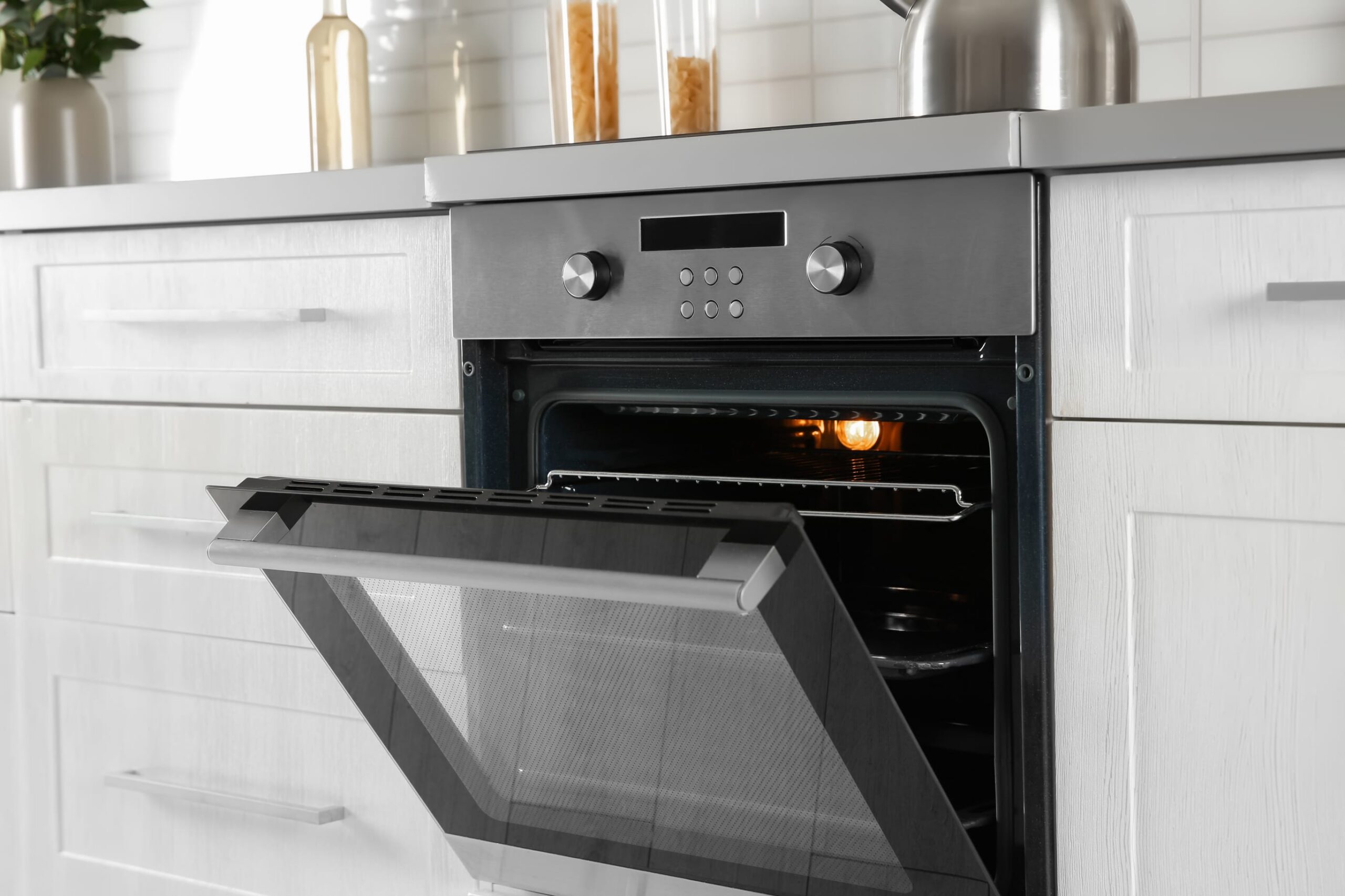
Why You Should Clean Your Oven Regularly
Every time you cook, tiny bits of grease, food splatter, and crumbs can collect inside the oven. Over time, those residues harden into baked-on food that becomes increasingly difficult to remove.
Routine deep cleaning offers several benefits:
- Helps eliminate odors while cooking
- Reduces smoke caused by burned food residue
- Keeps the heating element free from debris
- Improves cooking performance
- Makes future cleaning much easier
A little maintenance today can help prevent bigger problems tomorrow.
Gather Your Cleaning Supplies
Before you begin, make sure the electric oven is completely cool.
For most manual cleanings, you'll need:
- Baking soda
- Vinegar
- Warm soapy water
- A paper towel
- A soft sponge or microfiber cloth
- A small bowl
- A spray bottle for vinegar
- A plastic scraper or non-abrasive scrub pad
These simple supplies are effective for most routine oven cleaning jobs.
Remove the Oven Racks First
Before cleaning the interior, remove the oven racks.
Place the racks in a sink or bathtub filled with warm soapy water. Let them soak while you clean the rest of the appliance. Soaking loosens grease and baked-on food, making the racks much easier to scrub later.
After soaking, wipe them clean and allow them to dry completely before placing them back into the oven.
How to Clean an Electric Oven with Baking Soda
One of the most effective natural cleaning methods uses a baking soda paste.
Mix baking soda with a small amount of water until it forms a spreadable consistency. Apply the paste throughout the oven interior, avoiding direct contact with the heating element whenever possible.
Pay special attention to areas with heavy grease or baked-on food. Allow the baking soda paste to sit overnight or for at least 12 hours.
The longer it sits, the easier stubborn residue becomes to remove.
Use Vinegar to Finish the Job
After the baking soda has done its work, wipe away as much of the paste as possible using a damp paper towel or cloth.
Next, spray vinegar onto any remaining baking soda residue. The natural reaction between baking soda and vinegar helps loosen leftover grime while making cleanup easier.
Continue wiping until the oven interior is clean and free of residue.
Cleaning Around the Heating Element
The heating element is one of the most important parts of an electric oven.
When cleaning around it:
- Never scrape directly on the heating element.
- Avoid soaking electrical components.
- Use only a damp cloth to gently wipe nearby surfaces.
- Allow everything to dry completely before using the oven again.
Taking care around the heating element helps prevent accidental damage.
Should You Use the Self-Cleaning Cycle?
Many modern ovens include a self-cleaning oven feature that burns food residue at extremely high temperatures.
The self-cleaning cycle can be effective, especially for heavily soiled ovens. However, it is important to follow the manufacturer's instructions carefully. During the cycle, the oven becomes extremely hot and may produce odors or smoke as food residue burns away.
Some homeowners prefer manual cleaning because it places less stress on oven components and avoids prolonged exposure to extreme heat.
When Manual Deep Cleaning Is Better
While the self-cleaning cycle is convenient, it is not always the best choice.
Manual deep cleaning may be preferable if:
- There is excessive grease buildup.
- You want to avoid smoke or odors.
- Your oven is older.
- You only need light cleaning.
- You prefer natural cleaning methods.
Using baking soda and vinegar regularly can reduce the need for self-cleaning cycles altogether.
Don't Forget the Oven Door
The oven door collects grease and fingerprints just like the interior.
Clean the glass using a soft cloth, warm soapy water, or a baking soda paste for stubborn spots. Avoid abrasive scrubbers that could scratch the glass or damage finishes.
A clean oven door also makes it easier to monitor food while cooking.
How Often Should You Clean Your Oven?
How frequently you clean depends on how often you cook.
If you use your oven several times each week, a light wipe-down every month and a deep cleaning every three to four months is usually sufficient. Spills should always be cleaned as soon as the oven has cooled to prevent baked-on food from forming.
Regular maintenance is much easier than waiting until heavy buildup develops.
Electric Oven vs. Gas Oven Cleaning
Cleaning an electric oven and a gas oven follows many of the same basic principles. However, gas oven models contain burner assemblies and gas components that require additional caution during cleaning.
Always consult your owner's manual before cleaning either appliance. Following manufacturer recommendations helps protect your oven while maintaining safe operation.
Key Takeaways
- Regular deep cleaning helps your electric oven cook more efficiently.
- Remove oven racks before cleaning the interior.
- A baking soda paste is an effective natural cleaner for baked-on food.
- Vinegar helps remove remaining residue after using baking soda.
- Be careful around the heating element during manual cleaning.
- The self-cleaning cycle is useful but should be used according to manufacturer recommendations.
- Routine maintenance reduces odors, smoke, and future cleaning effort.
FAQs About How to Clean an Electric Oven
Protect Your Home Appliances with Dwellness
Keeping your electric oven clean is one of the easiest ways to maintain its performance and extend its lifespan. Even with excellent care, however, appliances experience normal wear over time and unexpected breakdowns can still happen.
Dwellness helps homeowners protect important home appliances from unexpected repair costs. Contact Dwellness today to learn more about our home warranty plans and discover how we can help keep your home running smoothly with dependable protection and peace of mind.