
On average, air conditioners last between 10 and 15 years, although many well-maintained systems can continue operating for 15 to 20 years or more. How long an air conditioner lasts depends on several factors, including the type of system, how often it’s used, the local climate, installation quality, and whether it receives regular maintenance.
If you’re wondering whether your AC is nearing the end of its lifespan, understanding what affects longevity can help you plan for future repairs or replacement before you’re left without cooling on a hot day.
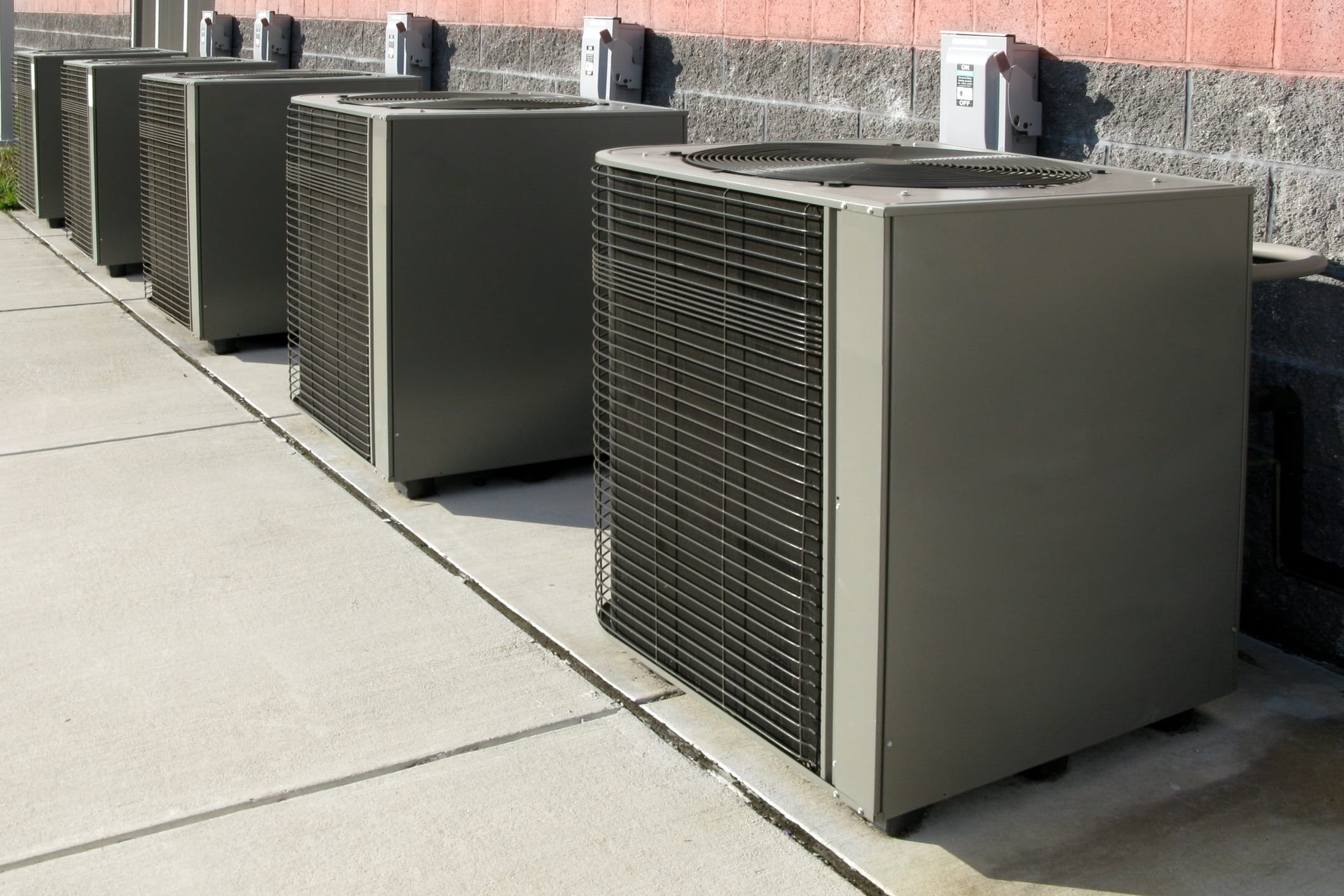
The Average Lifespan of Different Types of Air Conditioners
Not every cooling system is built the same, so it's no surprise that expected lifespans can vary depending on the equipment installed in your home.
A central air conditioning system typically lasts between 12 and 15 years with proper care. Heat pumps often have a similar lifespan, although they may wear more quickly in climates where they provide both heating and cooling year-round. Window air conditioners generally last around 8 to 10 years, while ductless mini-split systems commonly reach 15 to 20 years when professionally installed and maintained.
No matter the type of equipment you own, routine maintenance plays a major role in how long it continues to perform efficiently.
What Has the Biggest Impact on an Air Conditioner's Lifespan?
While every air conditioner eventually wears out, some systems last much longer than others because of how they're cared for throughout their lives.
Several factors can influence how long your AC will last:
- Routine maintenance and annual inspections
- Local climate and how often the system runs
- Proper installation
- Air filter replacement
- Keeping outdoor condenser units clean
- Addressing repairs promptly instead of delaying them
- Overall workload placed on the system
A unit that runs nearly every day in an extremely hot climate will naturally experience more wear than one operating in milder conditions.
Why Maintenance Matters
If there's one thing homeowners can do to extend the life of an air conditioner, it's keeping up with regular maintenance.
A well-maintained system doesn't have to work as hard to cool your home. Clean filters improve airflow, properly charged refrigerant allows the system to operate efficiently, and annual inspections help identify small issues before they become major repairs.
Professional tune-ups also give HVAC technicians the opportunity to inspect electrical connections, lubricate moving parts, clean coils, and ensure every component is operating as intended. Those relatively small maintenance visits can often add years to the life of an air conditioning system. Use our AC maintenance checklist to keep track of the work that helps protect it.
Common Problems That Can Shorten an AC's Lifespan
Even high-quality equipment can wear out prematurely if problems aren't addressed.
Dirty air filters restrict airflow, forcing the system to run longer than necessary. Refrigerant leaks reduce cooling performance while placing additional strain on the compressor. Electrical problems, clogged condensate drains, frozen evaporator coils, and dirty condenser coils can all contribute to unnecessary wear over time.
The longer these issues go unresolved, the greater the chance that one small repair turns into a much larger one.
Do Some Manufacturers Last Longer Than Others?
Many homeowners wonder whether choosing one manufacturer over another guarantees a longer-lasting system.
The truth is that most major HVAC manufacturers produce reliable equipment when it's installed correctly and maintained according to the manufacturer's recommendations. A premium unit that's poorly installed may have a shorter lifespan than a standard model installed by an experienced contractor.
Instead of focusing only on the brand name, it's equally important to choose a qualified HVAC professional who can properly size and install the system for your home.
Signs It May Be Time to Replace Your Air Conditioner
Every air conditioner reaches a point where replacement becomes the more practical option.
If your system requires frequent repairs, struggles to keep your home comfortable, or causes your energy bills to climb, it may be nearing the end of its useful life. Older systems that still rely on outdated refrigerants can also become increasingly expensive to repair as replacement parts become more difficult to find.
Even if the system still runs, replacing an aging air conditioner with a newer, more energy-efficient model may reduce operating costs while improving comfort throughout your home.
Should You Repair or Replace an Older AC?
Deciding between repairing and replacing an older air conditioner isn't always straightforward.
If your system is only a few years old and the repair is relatively minor, fixing it is often the most economical choice. However, if the unit is approaching 15 years old and requires a major component like a compressor, replacement may offer better long-term value.
A trusted HVAC technician can help evaluate the condition of your system and estimate whether additional repairs are likely in the near future.
Planning Ahead Can Save Stress
One of the biggest mistakes homeowners make is waiting until their air conditioner completely stops working before thinking about replacement.
As your system ages, paying attention to performance changes allows you to plan ahead instead of making an emergency decision during the hottest week of the year. Budgeting for a future replacement while your current unit is still operational gives you more time to compare equipment, evaluate efficiency ratings, and schedule installation at a convenient time.
Planning ahead often results in a smoother, less stressful experience.
Key Takeaways
- Most air conditioners last between 10 and 15 years, although proper maintenance can extend their lifespan.
- Central AC systems, heat pumps, window units, and ductless mini-splits all have different average lifespans.
- Regular maintenance is one of the most important factors in extending the life of your system.
- Dirty filters, refrigerant issues, and neglected repairs can shorten an air conditioner's lifespan.
- Proper installation is just as important as choosing a quality manufacturer.
- Frequent repairs and rising energy bills may indicate it's time for a replacement.
- Planning for replacement before your system fails can help reduce stress and unexpected expenses.
Frequently Asked Questions
Protect Your Las Vegas Home with Dwellness
Your air conditioner is one of the hardest-working systems in your Las Vegas home, especially during the long summer months. While regular maintenance can help extend its lifespan, unexpected breakdowns can still happen when you least expect them.
Dwellness helps Las Vegas homeowners protect important home systems, including eligible HVAC components, with dependable home warranty coverage. Contact Dwellness today to learn more about our plans and discover how we can help you prepare for unexpected repairs while keeping your home comfortable year-round.