
The air coming out of your vents feels less cold than it did last July. The outdoor unit hums all afternoon and never seems to shut off. Your July power bill climbed even though nobody changed the thermostat. That slow slide is what worries most people, because it hints that a very expensive part is getting tired. So the natural question becomes how long do AC units last in Las Vegas before they quit for good.
Most central air conditioning systems in the Las Vegas Valley run far more hours each year than systems in cooler parts of the country. Las Vegas summers push equipment past 110 degrees on the roof and in the yard, and the compressor rarely gets a long break from May through September. Age alone does not decide the outcome. Run hours, installation quality, and whether anyone has cleaned the coils matter just as much.
Keep reading to learn the realistic lifespan range for a desert system, the warning signs that mean repair or replacement, and the maintenance steps that can help it last. Every figure and recommendation here is framed for Las Vegas homes and the desert conditions they face.
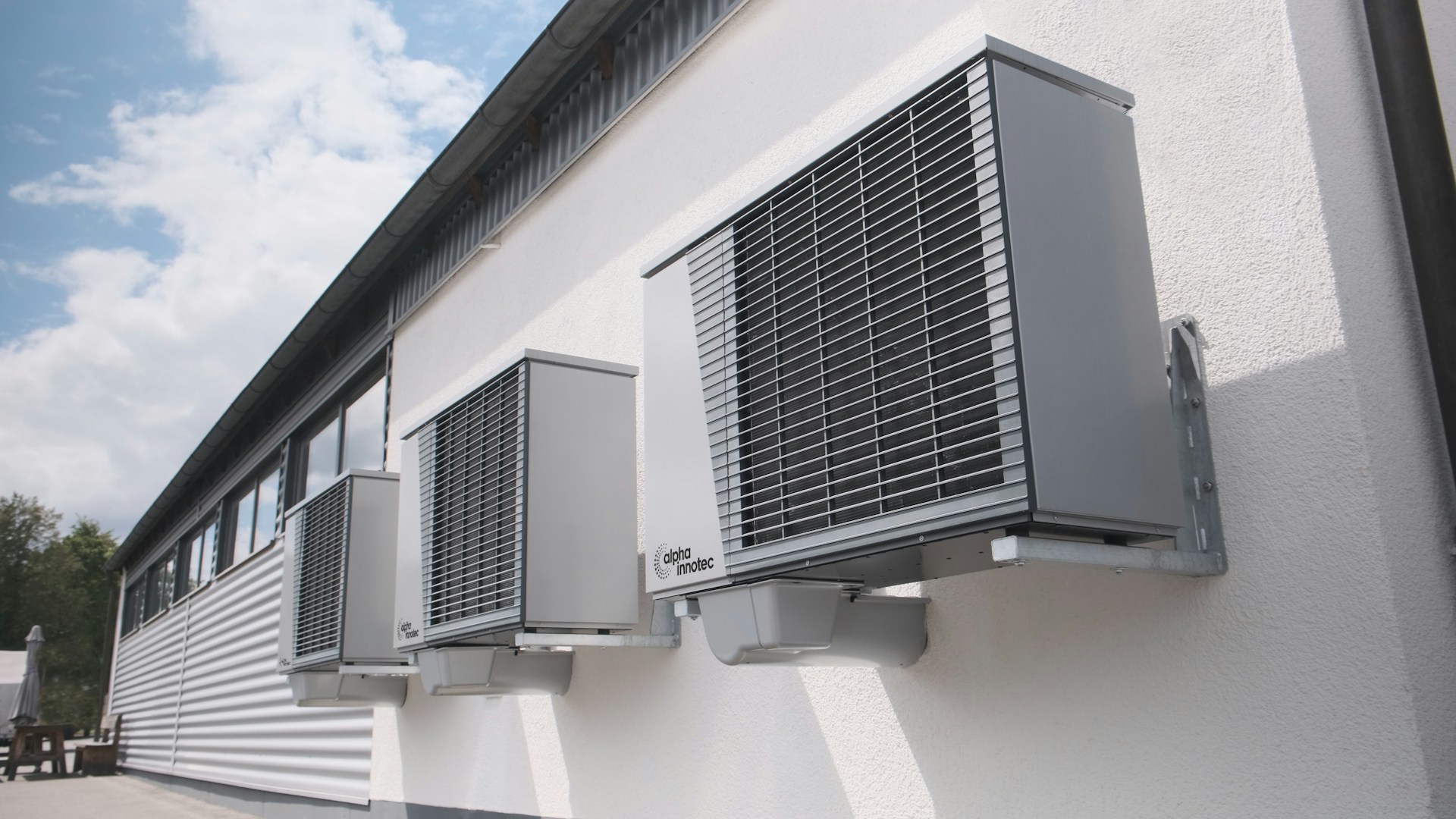
How Long Do AC Units Last in Las Vegas Compared With Elsewhere?
A reasonable planning range for a central air conditioner in the Las Vegas Valley is 10 to 15 years. Extreme heat and long run times add wear, so many desert systems reach a repair-or-replace decision sooner than systems in milder climates.
The reason is run time. A Las Vegas air conditioner can run far more hours in a single cooling season than a unit in a mild climate. Wear tracks hours of operation more closely than it tracks the date on the data plate.
Typical Life Expectancy for a Central AC System
A central air conditioning system is really two pieces that age at different rates: the outdoor condenser and the indoor air handler or furnace coil. The outdoor half takes the heat and the dust, so it usually fails first.
The U.S. Department of Energy treats 15 years as the point where replacement becomes worth considering for efficiency reasons alone. Its consumer guidance notes that if your heating or cooling system is over 15 years old, new equipment can lower electric bills and improve efficiency. In our climate, many units reach that decision point before year 15 on condition rather than age.
How Age, Installation Quality, and Maintenance Change the Range
Two identical units installed on the same street can differ by five years or more. Installation sets the ceiling. A system with the correct refrigerant charge, clean line set, and adequate airflow starts life with less strain on the compressor.
Maintenance sets the floor. Federal energy guidance states that a regular maintenance schedule can cut heating and cooling costs by 10% or more while prolonging equipment life. Skipped filter changes and dirty coils force the compressor to work against pressure it was never designed to handle.
Three things separate a 15-year desert system from an 8-year one:
- Correct sizing and charge at installation
- Annual professional service before the cooling season starts
- Coil cleaning that actually removes the dust film, not just the surface debris
Expected Lifespan of Split Systems and Heat Pumps
Most Las Vegas homes use a split system: an outdoor condenser paired with an indoor coil and blower. Split systems and heat pumps carry similar lifespan expectations because they share the same compressor and coil technology.
Heat pumps often run slightly fewer total hours in our winters than they would in colder regions, but the summer load is identical. Because a heat pump also handles heating, the reversing valve and defrost controls add parts that can fail independently of the compressor.
Knowing the range is one thing. Knowing exactly what the desert does to the metal and wiring inside that cabinet explains why the range is so much shorter here.
Why the Las Vegas Desert Wears Down AC Equipment Faster
Four forces do the damage: sustained high ambient temperature, airborne dust, ultraviolet light, and sheer run hours. Each attacks a different part of the system.
Every air conditioner rejects heat from your house into the outdoor air. When that outdoor air is already 112 degrees, the machine has to push heat uphill against a much smaller temperature difference, which raises pressures and current draw across the board.
How Extreme Heat Strains the Compressor and Outdoor Condenser
The compressor is the most expensive part in the system, and heat is its main enemy. High outdoor temperatures raise discharge pressure, which raises the load on compressor bearings and motor windings.
Heat also thins the lubricating oil inside the compressor. Thinner oil protects bearings less well, and worn bearings are a common path to compressor failure in Mojave Desert conditions.
The condenser fan motor suffers the same way. It sits directly above hot discharge air and runs for hours with no rest, which shortens the life of its bearings and its windings.
How Desert Dust, Sand, and Haboobs Clog Coils
Condenser coils shed heat only when air moves freely between the fins. Fine desert dust and sand pack into those fins and build a film that acts like insulation.
A dust storm can leave a noticeable layer of debris on a condenser. After a dust storm, a coil that looked clean in April may be badly restricted by June, and the homeowner notices only that the house takes longer to cool.
Clogged coils raise operating pressure, which brings us back to the compressor. The parts failure list and the coil cleaning list are the same list, read from different ends. Department of Energy maintenance guidance is direct about keeping the area around outdoor units clear so air can circulate freely.
Why UV Exposure and Thermal Cycling Damage Parts Over Time
Southern Nevada sunlight degrades plastic, rubber, and wire insulation. Ultraviolet radiation makes contactor housings brittle and cracks the jacket on low-voltage wiring where it leaves the disconnect.
Thermal cycling does the rest. Metal expands when the unit runs at 115 degrees and contracts on a 60-degree night, and that movement loosens electrical connections season after season.
Loose connections arc. Arcing pits contactor points and stresses capacitors, which is why capacitor failure is one of the most common service calls in a Las Vegas summer.
How Long Cooling Seasons Add Wear to Moving and Electrical Components
The cooling season here stretches roughly from April into October. That is six or seven months of near-daily operation for parts rated in cycles and hours.
Capacitors carry a finite number of start cycles. Fan motors carry a finite number of bearing revolutions. Contactors carry a finite number of make-and-break events. Long seasons simply spend that budget faster.
Knowing the wear mechanisms helps only if you can spot them from inside the house, which is what your bills and your vents are already telling you.
Signs Your AC May Need Repair or Replacement
Watch for three patterns: cooling that gets weaker, bills that climb without a usage change, and the same repair showing up twice. Any one of them means the system is losing ground.
A healthy central air conditioner should drop the air temperature between the return vent and a supply vent by roughly 16 to 22 degrees. That difference is called the temperature split, and a technician can measure it in minutes.
Why Rising NV Energy Bills and Weak Cooling Matter
Your NV Energy bill is a running efficiency report. When cooling costs rise year over year at the same thermostat setting, the system is consuming more electricity to move the same heat.
Dirty coils, a low refrigerant charge, and worn compressor valves all produce that pattern. Modern systems are rated with SEER2 and EER2 numbers, and a badly degraded older unit performs well below its original rating.
Weak cooling with long run times is the other half of the signal. If the house never reaches the setpoint on a 108-degree afternoon, capacity has dropped.
What Short-Cycling, Noises, and Hot Rooms Can Mean
Short-cycling means the unit starts and stops every few minutes instead of running a full cycle. Common causes include a failing capacitor, a dirty evaporator coil, low refrigerant, or a control problem.
New noises are worth a call. A hard clunk at startup, a metallic grind, or a loud hum from the condenser usually points at the compressor, the fan motor, or the contactor.
Rooms that stay hot while others cool fine often come from duct problems or airflow restriction. Those are repairs, and fixing them frequently protects the compressor from further strain.
When Refrigerant Leaks and R-22 Make Replacement More Practical
Refrigerant leaks change the math. A charge that leaks out twice in two seasons means the leak is in the coil or the refrigerant lines, and topping off is a temporary fix.
R-22, also called Freon, matters most. The U.S. Environmental Protection Agency confirms that production and import of R-22 has ceased, so existing equipment can be serviced only with recycled, reclaimed, or previously produced supply. EPA is clear there is no requirement to replace an R-22 system, but price and availability of that refrigerant can change.
If your unit is R-22, more than a dozen years old, and leaking, weigh the cost of repeated recharges carefully against replacement.
How to Decide Between a Major Repair and a New System
Weigh the repair cost against the age and the remaining life. A $400 capacitor and contactor job on a 9-year-old unit is easy to justify. A compressor replacement on a 14-year-old R-22 system calls for a harder look at the quote, the system's efficiency and condition, refrigerant cost, and the price of a new system.
Ask the technician for the measured temperature split, the refrigerant charge status, and the condition of the coil. Those three data points tell you whether you are buying a repair or delaying a replacement.
Once you decide to keep the system, the goal shifts to protecting every remaining season.
How to Help Your AC Last Through More Las Vegas Summers
Professional service before the heat arrives, clean filters, and clear coils do more for lifespan than anything else a homeowner controls. Federal guidance puts the savings from regular maintenance at 10% or more on heating and cooling costs, plus longer equipment life.
None of it is complicated. It just has to happen on a schedule the desert dictates rather than a national one.
Schedule Professional AC Maintenance Before Peak Heat
Book AC maintenance in late winter or early spring. Department of Energy guidance recommends inspecting air conditioners in the spring, before the system carries a full load.
A spring visit catches the parts that fail in July: a weak capacitor, a pitted contactor, a fan motor with rough bearings, or a charge that has drifted low. Replacing a $30 part in March is far cheaper than an emergency call in a heat wave.
Ask the technician to record the readings. Year-over-year numbers show decline long before you feel it indoors.
Replace Air Filters and Keep Airflow Clear
Change air filters monthly during peak cooling. Federal energy guidance is specific that cleaning or replacing filters monthly in seasons of peak use lowers bills and extends equipment life.
Dust here is relentless, and a loaded filter starves the evaporator coil of airflow. Low airflow drops coil temperature, which can ice the coil and flood liquid refrigerant back to the compressor.
Also keep supply and return vents open and unblocked. Furniture over a return does the same damage as a dirty filter.
Why Condenser Coil Cleaning and Electrical Checks Matter
Condenser coil cleaning is the single highest-value task in a dusty climate. A professional rinse from the inside out pushes dust back the way it came instead of packing it deeper into the fins.
While the panel is open, a technician should tighten and inspect electrical connections. Thermal cycling loosens lugs and terminals, and a loose connection heats up until something burns.
Two more items belong on the same visit:
- Clear at least two feet of space around the outdoor condenser unit, including weeds and stored items
- Verify the refrigerant charge against the manufacturer's target rather than by feel
Prepare Your AC for Las Vegas Summer With the Right System Sizing
When replacement time comes, sizing decides how long the new system lasts. Insist that the contractor run an ACCA Manual J load calculation instead of using square footage shortcuts.
The Department of Energy warns that the old rule of one ton per 400 to 500 square feet ignores local climate and house efficiency, and that oversized cooling systems can cost too much and deliver poor comfort. An oversized unit short-cycles, and short-cycling burns through start components.
A right-sized system runs longer cycles at steadier pressures, which is exactly what a compressor wants in 110-degree heat. Good sizing protects the equipment you are about to pay for, and coverage protects the equipment you already own.
Plan Ahead for an Aging AC Before the Next Heat Wave
An AC in its second decade deserves a repair plan made in advance. Compressor failure and refrigerant leaks do not wait for a convenient week, and July is the worst time to start shopping for help.
A home warranty for an old AC unit is one way to make those costs predictable. Coverage applies to eligible breakdowns caused by normal wear and tear, subject to your plan's service call fee, coverage limits, and exclusions. Problems that already exist before coverage starts are not covered, so a plan bought today will not pay for a unit that is already failing.
Dwellness has served Las Vegas homeowners since 1986 and approves more than 97% of customer claims, with more than 85% resolved on the first visit. Covered HVAC repairs and air conditioning claims are dispatched to licensed, vetted local professionals. Every plan tier also includes a maintenance plan for HVAC, plumbing, and electrical, and the Premium tier adds one eligible maintenance or tune-up visit per year with no trade call fee.
Coverage levels differ, so it is worth comparing the three home warranty plans side by side. The Essential Plan covers the core home systems most households depend on, including heating, cooling, plumbing, and electrical, plus refrigerant up to a stated limit. Enhanced adds broader situations and more appliance coverage, while Premium adds unlimited refrigerant, portable air conditioning delivery and setup with a limit of two, and service within 24 hours for qualifying plumbing and HVAC claims, according to plan terms.
Timing questions come up often for older equipment. Homeowners researching when to buy a home warranty usually find that enrolling while the system still works is the only way coverage can help later.
Making a Smart Call on an Older Las Vegas AC
A 10-to-15-year window is the realistic planning range for central air conditioning in the Las Vegas Valley, and run hours in the desert are what shorten it. Watch the temperature split, watch your summer bills, and treat a second refrigerant leak as a replacement conversation.
Spring service, monthly filters, and clean condenser coils are the levers you control. They will not make a 14-year-old R-22 system new, but they can improve performance and reduce avoidable strain.
If you would rather know your repair costs in advance than guess at them in August, request a free quote or talk with a local expert who can walk you through coverage for homeowners in your neighborhood. New customers can call (702) 509-7007, current customers reach claims at (702) 641-8888, and the contact page lists current hours.