
A garbage disposal is a hardworking kitchen appliance, but it’s also a magnet for gunk. When food particles pile up, you get clogs, slow drains, and unpleasant odors that creep up from the kitchen sink. The good news is that most problems come down to simple habits.
This guide covers practical garbage disposal maintenance, quick cleaning routines, the foods that cause jams, and what to do when a garbage disposal stops. Treat it like a small engine in your sink; it runs best with steady flow and light loads.
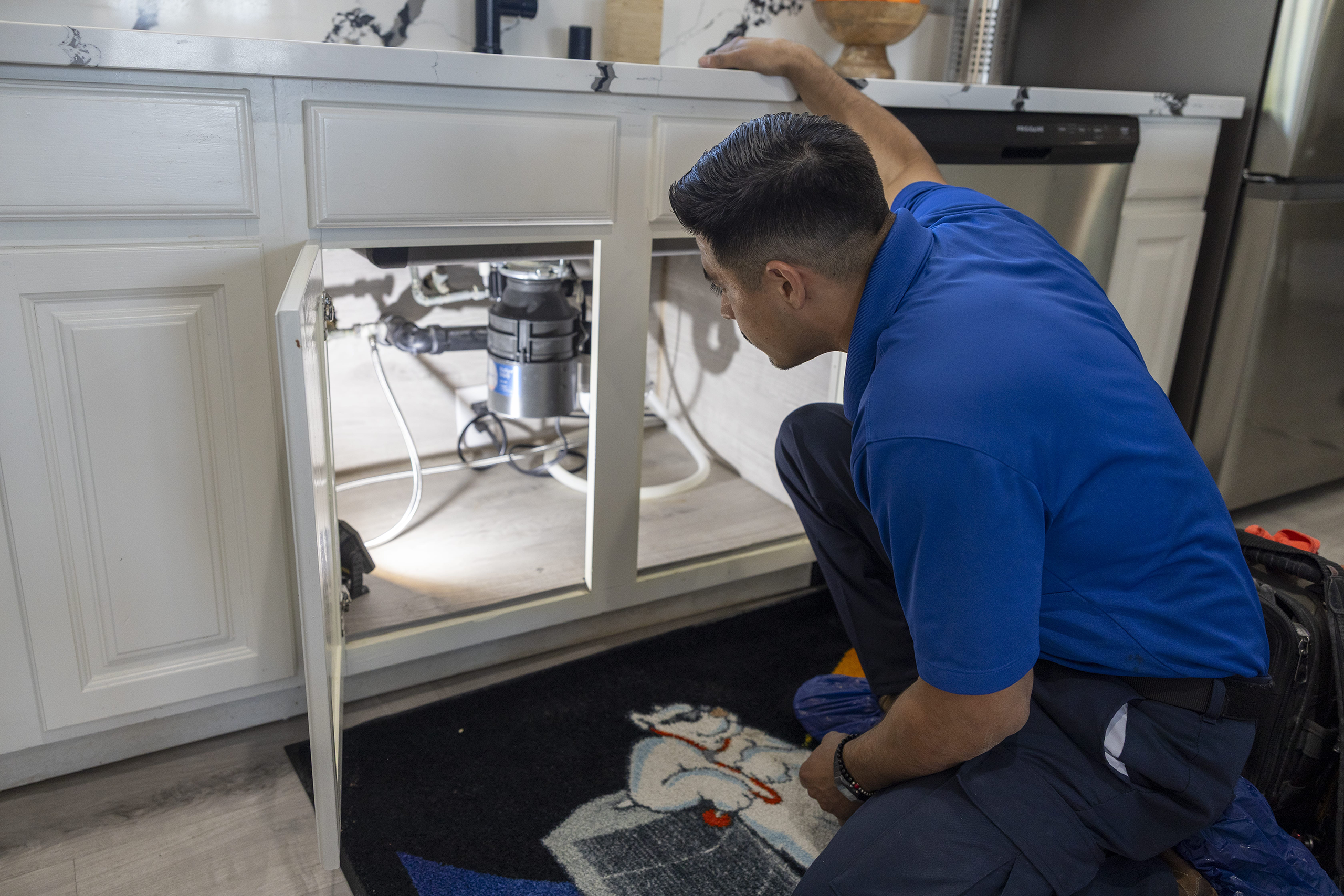
Everyday habits that prevent clogs and bad smells
Run cold water and feed food scraps slowly
First, run cold water for a few seconds, then switch on the unit. Add food scraps in smaller pieces, not in one heavy dump. Keep running water on while it grinds, and let it run 15 to 30 seconds after, so food debris clears the drainpipes.
Cold water helps because it keeps the greasy residue firm, so it can move through. Hot water can melt fats, which later cool into buildup on the walls of the disposal and pipes. Overloading the chamber with food waste is the fastest way to end up with a jam and standing water.
If you can hear the motor strain, you're feeding too fast.
Know the worst "no-go" foods that jam the unit
Some foods don't "grind" so much as they tangle, swell, or turn into paste. Fibrous foods like corn husks and onion skins can wrap around the impellers. Potato peels and other starchy foods can turn gluey, then trap more food items. Coffee grounds settle like wet sand, eggshells can dull parts and add grit, and fruit pits can jam the mechanism.
Simple monthly garbage disposal cleaning you can do in minutes
Baking soda and vinegar fizz clean for everyday buildup
For routine garbage disposal cleaning, pour a cup of baking soda into the drain. Next, add a cup of vinegar and let it fizz for a few minutes. Then rinse well. Finish with a short flush of hot water to help carry loosened bits away. This method can deodorize and reduce light buildup, but it won't fix a serious clog. For safer cleaning ideas, see Consumer Reports guidance on cleaning a garbage disposal.
Grind ice and scrub the splash guard to knock loose gunk
Drop in ice cubes, add a small squirt of dish soap, then grind ice with cold water running. The ice helps knock residue loose inside the chamber. If odors linger, toss in a few citrus peels occasionally, but don't pack the unit full.
Finally, clean the splash guard. Turn off the power first, then scrub under the rubber flaps with an old toothbrush and warm, soapy water.
When DIY is not enough, protect your plumbing and call for help
Quick troubleshooting before you panic
If the unit hums, drains slowly, leaks, or keeps clogging, start with the basics. Check the breaker, then press the reset button on the bottom of the unit. If you suspect a jam, turn off the power before you try to unclog anything. Use tools (like tongs or the manufacturer's wrench), never your hands.
Skip chemical drain cleaners and know when to call a plumber
Chemical drain cleaners and harsh chemicals can damage disposal parts, harm seals, and stress pipes. They can also create dangerous splashback during service. Call a plumber if you have repeated clogs, a grinding noise, leaks, a suspected drainpipe blockage, or if it won't restart after a reset.
FAQ: garbage disposal maintenance questions homeowners ask most
Contact Dwellness
Good routines reduce clogs and buildup, and they help your disposal last longer. Still, breakdowns happen, especially when jams or worn parts show up.
Dwellness serves the Las Vegas area and has been local for decades (since 1986). Claims are evaluated using the contractor's diagnosis and photos, and Dwellness approves most claims. A home warranty can also help with covered kitchen appliances and plumbing items like a garbage disposal, with a trade service call fee (often $100 or $125, depending on plan). For coverage details, call 702-641-8888.