
A freezer not freezing does not always mean the appliance is completely broken. Problems ranging from an incorrect temperature setting or blocked airflow to dirty condenser coils, damaged door seals, or failing internal components can prevent a freezer from maintaining the temperature it needs to safely store food.
Ideally, your freezer should stay at or around 0°F. If frozen foods are becoming soft, ice cream suddenly looks more like soup, or the freezer seems to be running constantly without getting cold enough, it is time to investigate.
Some freezer problems have relatively simple fixes you can handle yourself. Others are warning signs that it is time to call an appliance repair professional.
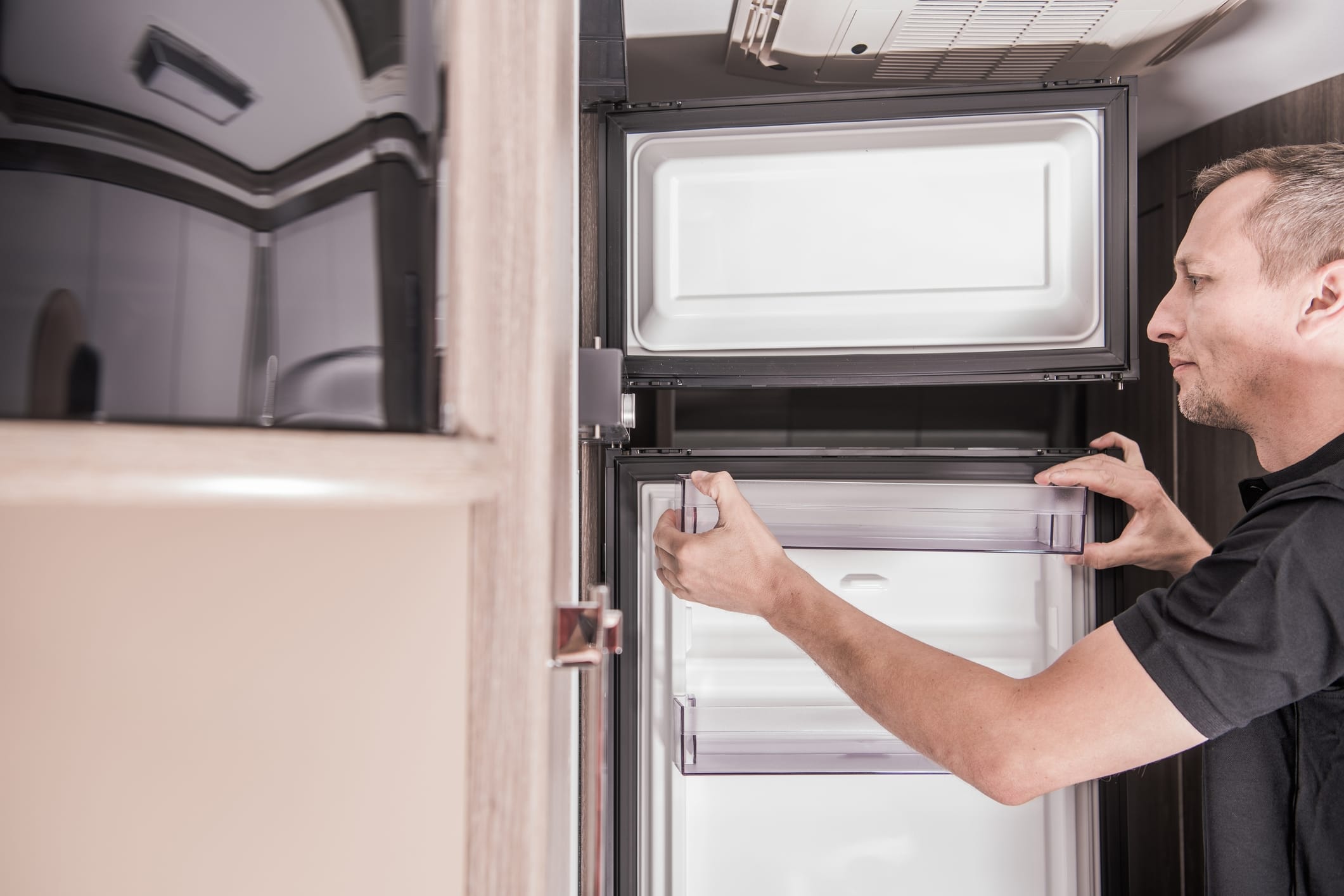
Why Is My Freezer Not Freezing?
Your freezer depends on several components working together to remove heat and circulate cold air. When something interrupts that process, temperatures can begin rising.
Common reasons a freezer stops freezing properly include:
- Incorrect temperature settings
- A door that is not closing completely
- Worn or damaged door gaskets
- Blocked interior vents
- Too much or too little food inside
- Dirty condenser coils
- Excessive frost or ice buildup
- A malfunctioning evaporator or condenser fan
- Thermostat or temperature sensor problems
- A faulty start relay
- Compressor problems
- Issues with the automatic defrost system
Before assuming the worst, start with the easiest potential causes.
1. Check the Freezer Temperature
Your first troubleshooting step should be checking the temperature setting.
The U.S. Food and Drug Administration recommends keeping a freezer at 0°F. If someone accidentally changed the controls or an electronic setting was reset, your freezer may simply be operating at a temperature that is too warm.
Do not rely entirely on how cold the inside feels. Place an appliance thermometer inside and give it enough time to provide an accurate reading.
If the setting is correct but the temperature remains too high, continue troubleshooting.
2. Make Sure the Door Is Closing Completely
Cold air escapes whenever the freezer door does not create a proper seal.
Start by checking whether food containers, bags, or ice buildup are preventing the door from closing. Then inspect the rubber gasket around the perimeter of the door for cracks, tears, grime, or sections that have pulled away.
You can also close the door over a piece of paper. If the paper pulls out with little resistance in multiple areas, the gasket may not be sealing tightly enough.
Cleaning a dirty gasket may solve the problem. A damaged seal may need to be replaced.
3. Check for Blocked Airflow
Cold air needs room to circulate.
Packing a freezer too tightly can block vents and create warm spots, particularly if food is pushed against interior air passages. Rearrange items so air can move throughout the compartment and avoid placing packages directly in front of vents.
An almost-empty freezer can present its own challenges because frozen items help stabilize temperatures when the door opens. Keeping your freezer reasonably stocked without overcrowding it generally provides the best balance.
4. Clean the Condenser Coils
Dirty condenser coils can make it more difficult for your refrigerator or freezer to release heat.
Depending on your appliance, the coils may be underneath or behind the unit. Dust, pet hair, and debris can gradually accumulate around them and reduce performance.
If your owner's manual recommends coil cleaning, unplug the appliance and follow the manufacturer's instructions. A vacuum with a brush attachment or an appropriate coil-cleaning brush can usually remove loose buildup.
Keeping these coils clean can improve cooling performance while reducing unnecessary strain on the appliance.
5. Look for Excessive Frost Buildup
A little frost may not be unusual, but a thick layer of ice can signal a bigger problem.
Modern freezers generally use an automatic defrost system to prevent excessive ice from accumulating around the evaporator coils. If part of that system fails, frost can restrict airflow and prevent cold air from circulating properly.
You might notice:
- Heavy frost on the freezer's back interior panel
- Ice accumulating around vents
- Increasing freezer temperatures
- The appliance running for unusually long periods
- Refrigerator temperatures rising along with freezer temperatures
If frost quickly returns after the appliance has been properly defrosted, the underlying problem may require professional diagnosis.
6. Listen to Your Freezer
Your ears can provide useful clues.
Freezers naturally make noises as compressors, fans, and refrigerant systems operate. New grinding, clicking, buzzing, or rattling sounds, however, can indicate a malfunctioning component.
A freezer that is unusually quiet can also be concerning. If the appliance is warm and you never hear the compressor or fans operating, something may be preventing the cooling system from starting.
Changes in how often or how loudly your freezer runs are worth paying attention to.
7. Check the Evaporator and Condenser Fans
Many freezers rely on fans to move air through the cooling system.
The evaporator fan circulates cold air throughout the freezer compartment. If it fails, some areas may remain relatively cool while others become noticeably warmer.
The condenser fan, when present, helps remove heat around the compressor and condenser coils. A failed fan can cause cooling problems and potentially contribute to overheating.
Fan motors and electrical components are generally better left to a qualified appliance technician if basic cleaning does not solve the issue.
8. Consider the Start Relay or Compressor
If you've eliminated the simpler causes, the problem may involve the components responsible for actually producing cooling.
The start relay helps the compressor turn on. A malfunctioning relay can prevent the compressor from operating correctly, while a failing compressor itself can result in inadequate or nonexistent cooling.
Compressor repairs are not typically DIY jobs. Because the compressor is one of the appliance's most important and expensive components, a professional should determine whether repair or replacement makes financial sense.
Warning Signs Your Freezer Needs Attention
A freezer does not always stop working overnight. Performance can deteriorate gradually.
Pay attention if you notice food taking longer to freeze, ice cream becoming unusually soft, excessive frost, water around the appliance, unusual sounds, frequent cycling, or a motor that seems to run continuously.
Another warning sign is rising refrigerator temperature. In refrigerator-freezer combinations, the two compartments share portions of the same cooling system, so a freezer problem can sometimes affect fresh-food storage as well.
What Should You Do With Food When a Freezer Stops Working?
Food safety should become your first priority if freezer temperatures are rising.
Keep the door closed as much as possible because opening it allows cold air to escape. According to USDA guidance, a full freezer can generally maintain a safe temperature for approximately 48 hours during a power outage if the door stays closed, while a half-full freezer may maintain it for about 24 hours.
If food still contains ice crystals or has remained at 40°F or below, it may generally be safely refrozen, although its quality can suffer. When you cannot determine how warm perishable food became or how long it remained at an unsafe temperature, follow current food-safety guidance rather than taking a chance.
Preventive Freezer Maintenance
You cannot prevent every appliance breakdown, but routine maintenance can reduce avoidable problems.
Clean condenser coils as recommended by the manufacturer and periodically inspect door gaskets for damage or buildup. Keep vents unobstructed, avoid routinely overloading the freezer, and monitor the temperature with an appliance thermometer.
It's also smart to clean spills promptly and address excessive frost rather than allowing ice to continue accumulating.
These relatively simple habits can help your freezer operate more efficiently and make unusual changes easier to spot.
When Should You Call an Appliance Repair Professional?
Basic troubleshooting makes sense when the problem involves temperature settings, dirty coils, blocked vents, or an obstructed door.
Professional service becomes a better option when the freezer still will not maintain 0°F after you've addressed those issues. You should also consider professional repair if you suspect a malfunctioning fan motor, thermostat, defrost system, electrical component, start relay, or compressor.
If the freezer is older and needs a major repair, compare the estimated repair cost with the cost and expected lifespan of a replacement appliance before making a decision.
Key Takeaways
If your freezer is not freezing, start with simple possibilities before assuming the appliance needs an expensive repair. Check the temperature setting, door seal, airflow, condenser coils, and frost buildup first.
A freezer that continues warming, makes unusual noises, runs constantly, or repeatedly develops heavy frost may have a mechanical or electrical problem that requires professional service. Keep food safety in mind throughout the process and minimize how often you open the freezer while troubleshooting.
Routine cleaning and maintenance can help prevent some problems, but even a well-maintained freezer can eventually experience a breakdown from normal wear and tear.
FAQs About a Freezer Not Freezing
Protect Your Home Appliances With Dwellness
A freezer that stops freezing can quickly turn from an inconvenience into an expensive problem, especially when you factor in spoiled food and appliance repair costs. And your freezer is only one of the many appliances and home systems you rely on every day.
Dwellness helps Las Vegas homeowners prepare for eligible breakdowns with home warranty coverage for covered systems and appliances. Contact Dwellness today to explore your home warranty options and find protection designed to make unexpected home repairs a little easier to handle.