
Ceiling fans are one of the hardest-working fixtures in many homes, helping circulate air throughout every season. Like any mechanical fixture, however, they perform best when they’re cleaned, inspected, and maintained regularly. A little ceiling fan maintenance can help improve efficiency, reduce unnecessary wear, and even extend the life of your fan.
Whether your ceiling fan runs every day or only during certain seasons, these simple maintenance tips can help keep it operating safely and quietly for years to come.
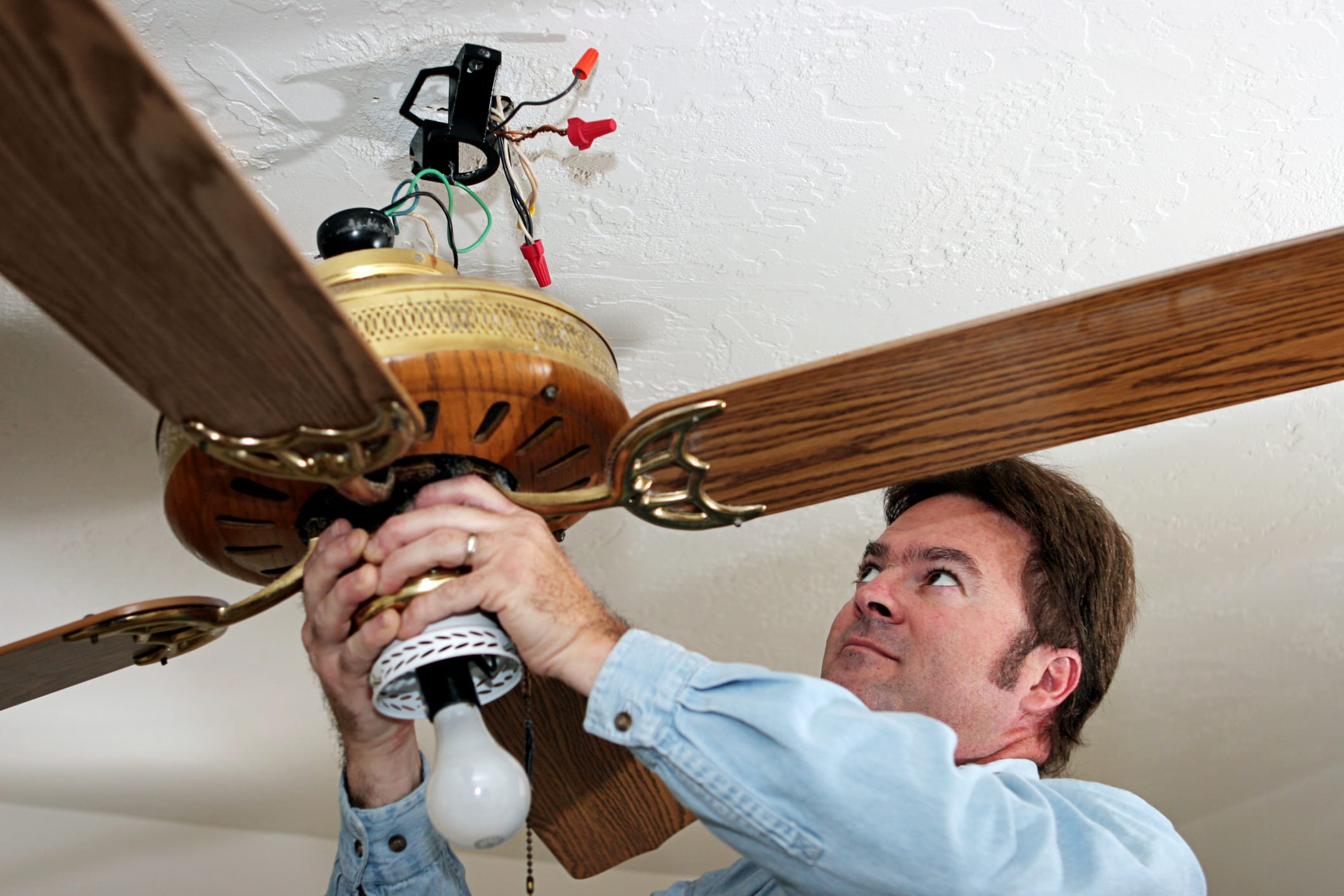
1. Clean Your Ceiling Fan Blades Regularly
Dust is one of the biggest enemies of ceiling fans.
As dust accumulates on the blades, it can affect airflow and create an imbalance that causes unnecessary vibration. In addition, every time the fan runs, that dust gets circulated throughout your home.
Using a microfiber cloth, extendable duster, or damp cloth every few weeks helps keep the blades clean. If the buildup is especially heavy, a mild household cleaner can help remove stubborn grime without damaging the blade finish.
2. Wipe Down the Motor Housing and Light Kit
The blades aren't the only parts that collect dust.
Take a few minutes to clean the motor housing, pull chains, light fixtures, and decorative trim whenever you're cleaning the blades. If your ceiling fan has glass light shades, removing and washing them periodically can help improve both appearance and light output.
Always turn the fan off and allow light bulbs to cool before cleaning these components.
3. Tighten Loose Screws and Fasteners
Over time, the constant movement of a ceiling fan can cause screws to loosen.
During your routine inspection, check the screws that secure the blades, blade brackets, light kit, and mounting hardware. Tightening loose fasteners helps reduce wobbling while preventing additional stress on the fan's moving parts.
Be careful not to overtighten screws, as doing so may damage certain components.
4. Check for Wobbling or Excessive Movement
A properly installed ceiling fan should rotate smoothly with very little movement.
If you notice the fan wobbling while it's running, stop using it until you identify the cause. Loose blade brackets, uneven blades, or mounting issues are some of the most common reasons for instability.
Addressing wobbling early helps prevent additional wear on the motor and mounting hardware.
5. Change the Blade Direction with the Seasons
Many homeowners don't realize their ceiling fan includes a seasonal setting.
During the summer, the blades should rotate counterclockwise to push cool air downward and create a wind-chill effect. During the winter, reversing the fan to a clockwise rotation at a low speed helps circulate warm air that naturally rises toward the ceiling.
Changing the blade direction twice a year is one of the easiest ways to improve comfort while reducing the workload on your HVAC system.
6. Listen for Unusual Noises
Your ceiling fan should operate quietly.
Clicking, grinding, humming, or rattling sounds often indicate that something needs attention. Loose hardware, worn bearings, electrical issues, or unbalanced blades can all contribute to unusual noises.
If tightening visible components doesn't solve the problem, it may be time to have the fan inspected by a qualified professional.
7. Inspect the Electrical Connections
While homeowners can perform basic visual inspections, electrical components should always be treated with caution.
If your ceiling fan flickers, operates intermittently, or stops responding to the wall switch, the issue could involve wiring, the switch, or the fan's internal electrical components. Rather than attempting complicated electrical repairs yourself, it's safest to contact a licensed electrician for diagnosis and repair.
Electrical problems should never be ignored, especially if you notice sparks, burning odors, or signs of overheating.
8. Lubricate Moving Parts When Recommended
Not every ceiling fan requires lubrication.
Many newer ceiling fans feature permanently sealed bearings that are designed to operate without additional lubrication. Older models, however, may have designated oil ports that require periodic maintenance according to the manufacturer's instructions.
Before adding any lubricant, check your owner's manual to determine whether your specific fan requires this type of maintenance.
9. Inspect the Fan Before Each Season
Seasonal inspections only take a few minutes but can help identify small issues before they become larger repairs.
Look for cracked blades, loose mounting hardware, excessive dust buildup, damaged pull chains, and any signs of wear around the motor housing. Running through a quick inspection before the cooling and heating seasons helps ensure your fan is ready when you need it most.
Preventive maintenance is almost always easier than unexpected repairs.
10. Know When It's Time to Replace Your Ceiling Fan
Even well-maintained ceiling fans eventually reach the end of their useful life.
If your fan develops recurring electrical problems, severe wobbling, excessive noise, or persistent motor issues despite regular maintenance, replacement may be the safest and most practical solution. Modern ceiling fans are often quieter, more energy efficient, and equipped with features like remote controls, LED lighting, and smart home compatibility.
Replacing an aging fan before it fails completely can help you avoid unexpected problems.
Why Ceiling Fan Maintenance Matters
Regular ceiling fan maintenance is about more than keeping your fan looking clean.
A properly maintained fan operates more efficiently, circulates air more effectively, and places less stress on its motor and mounting hardware. Routine inspections also help identify minor issues before they become safety concerns or lead to more expensive repairs.
Combined with a properly maintained HVAC system, ceiling fans can improve comfort throughout your home while helping reduce energy usage.
Key Takeaways
- Clean ceiling fan blades regularly to improve airflow and reduce dust.
- Wipe down the motor housing, light kit, and other fan components during routine cleaning.
- Tighten loose screws and fasteners to minimize wobbling.
- Check for excessive movement or instability before using the fan.
- Reverse the blade direction seasonally to improve comfort and energy efficiency.
- Listen for unusual noises that may indicate mechanical problems.
- Follow the manufacturer's recommendations regarding lubrication and maintenance.
- Replace aging ceiling fans when repairs become frequent or safety becomes a concern.
Frequently Asked Questions
Protect Your Las Vegas Home with Dwellness
Regular ceiling fan maintenance can help keep your home comfortable and reduce unnecessary wear on one of your most frequently used fixtures. But even with proper care, electrical components and household systems can eventually fail due to normal wear and tear.
Dwellness helps Las Vegas homeowners protect eligible home systems and appliances with dependable home warranty coverage. Contact Dwellness today to learn more about our home warranty plans and discover how we can help you prepare for unexpected repairs while keeping your home running smoothly year-round.