
What is a structural warranty? A structural warranty is a type of protection commonly associated with newly constructed homes that covers certain major structural defects for a specified period. Depending on the warranty terms, coverage may apply to load-bearing components such as the foundation, beams, columns, and other structural elements when a qualifying defect affects the home’s structural integrity.
A structural warranty is different from a traditional home warranty, which generally focuses on breakdowns of home systems and appliances caused by normal wear and tear. Understanding that distinction is important, especially for new homeowners deciding what types of protection they may need.
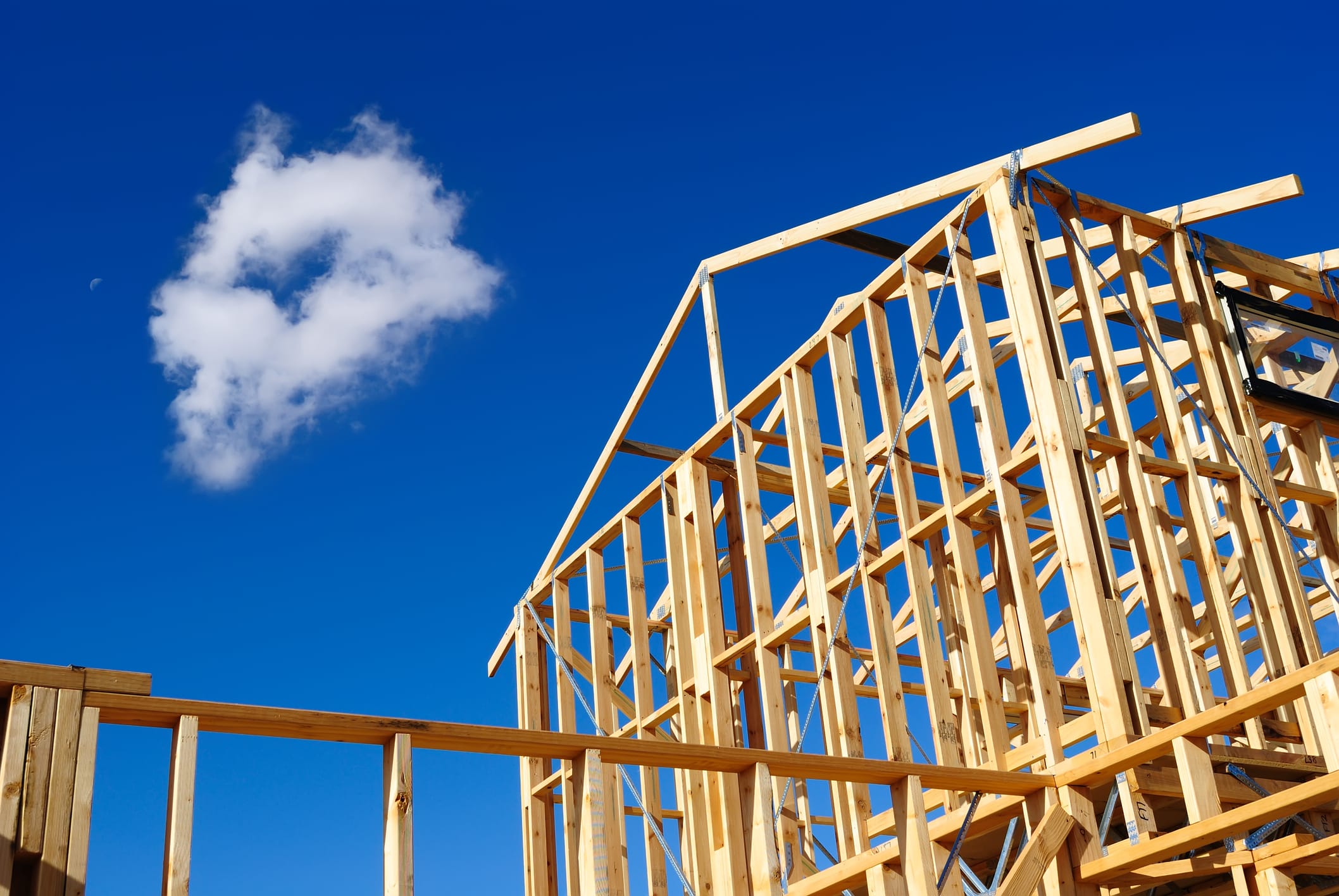
What Does a Structural Warranty Cover?
Structural warranties are primarily intended to protect against qualifying defects involving the components responsible for supporting the home.
Exact coverage varies significantly by warranty provider and contract, but structural coverage may include components such as:
- Foundations
- Load-bearing walls
- Beams and girders
- Columns
- Floor framing
- Roof framing
- Other designated load-bearing structural components
Coverage does not mean that every crack, leak, or problem with the home qualifies as a structural defect. The issue generally must meet the warranty's definition of a covered structural defect.
That definition matters. Always review the specific warranty documents rather than assuming that any problem involving the foundation, walls, or roof is automatically covered.
How Does a Structural Warranty Work?
Structural warranties are frequently provided in connection with new construction. Depending on the arrangement, the builder may provide the warranty directly or enroll the property in a warranty program administered by another company.
The warranty establishes what components are protected, how long that protection lasts, what constitutes a qualifying defect, and how a homeowner should report a potential problem.
If you believe you have a covered structural issue, you typically need to follow the warranty's claims procedure. That may involve notifying the appropriate party, providing information about the problem, allowing an inspection, and completing other steps required under the agreement.
Because procedures and responsibilities vary, keep your warranty documents somewhere accessible after purchasing the home.
Structural Warranty vs. Home Warranty
Although the names sound similar, a structural warranty and home warranty serve very different purposes.
| Structural Warranty | Home Warranty |
|---|---|
| Commonly associated with new construction | Available for many new and existing homes |
| Focuses on qualifying construction or structural defects | Focuses primarily on covered breakdowns from normal wear and tear |
| May cover foundations and designated load-bearing components | May cover HVAC, plumbing, electrical systems, and appliances |
| Often provided or arranged as part of new construction | Typically purchased as a service contract |
| Coverage may extend for several years | Typically operates for a defined contract term that may be renewable |
For example, imagine that a qualifying construction defect compromises a load-bearing structural component. That may fall within a structural warranty, depending on its terms.
If your air conditioner stops working because a covered component wears out through ordinary use, that is generally the type of problem a traditional home warranty is designed to address.
One does not necessarily replace the other.
Structural Warranty vs. Manufacturer's Warranty
Manufacturer warranties provide another layer of protection that homeowners sometimes confuse with structural warranties.
A manufacturer's warranty generally applies to a particular product. Your refrigerator, water heater, roofing materials, windows, or HVAC equipment, for example, may come with manufacturer protection against certain defects for a specified period.
A structural warranty instead concerns qualifying defects involving the home's designated structural components.
Once again, the contracts determine what is actually covered. Having one type of warranty does not automatically provide protection against problems covered by another.
Structural Warranty vs. Homeowners Insurance
Homeowners insurance serves another distinct purpose.
An insurance policy may provide protection against covered events such as fire, theft, wind, or certain other sudden losses, depending on the policy. Structural warranties instead address qualifying defects as defined by their warranty terms.
Traditional home warranties occupy another category by helping with eligible breakdowns involving covered systems and appliances.
That means a homeowner could potentially have homeowners insurance, a structural warranty, manufacturer warranties, and a home warranty at the same time. Each provides a different type of protection.
How Long Does a Structural Warranty Last?
There is no universal structural warranty term.
New-construction warranty programs sometimes divide protection into different periods based on the type of defect or component involved. Workmanship and materials may receive one period of coverage, certain home systems another, and qualifying structural defects a longer period.
For example, you may hear people refer to a "10-year structural warranty." That does not necessarily mean everything in the home is covered for 10 years. It may mean qualifying structural components receive protection for that period while other portions of the warranty have shorter terms.
Always read the actual warranty plan to determine:
- When coverage begins
- When each type of coverage expires
- Which components qualify
- Coverage limits
- Exclusions
- Claim deadlines
- Homeowner maintenance obligations
- Transferability requirements
Those details are more useful than the headline length of the warranty alone.
What Doesn't a Structural Warranty Cover?
A structural warranty should not be viewed as comprehensive protection against everything that can happen to a house.
Common limitations may involve normal deterioration, cosmetic problems, homeowner modifications, improper maintenance, or damage resulting from events outside the warranty's scope. Appliances and mechanical systems may also fall outside structural coverage.
Even problems that appear "structural" may not necessarily meet the warranty's contractual definition of a structural defect.
This is one reason homeowners should read the exclusions before they need to file a claim. Knowing where one form of protection stops can also help you identify whether other insurance or warranty coverage may be appropriate.
How Much Does a Structural Warranty Cost?
Structural warranty costs vary considerably, so there is no single price homeowners should expect.
The cost may depend on the property's value, size, location, construction type, coverage period, warranty provider, and terms of the plan. With new construction, the builder may purchase or arrange the warranty, and its cost may effectively be incorporated into the overall transaction.
If you are purchasing structural protection separately, compare more than the price. Look closely at what constitutes a covered structural defect, coverage limits, exclusions, claim procedures, and the length of each coverage period.
A less expensive warranty provides little value if its protection does not match what you expect.
Why Is a Structural Warranty Important?
Major structural problems can be among the most serious issues a homeowner encounters.
Structural repairs can potentially involve extensive engineering, labor, materials, and disruption to the home. A qualifying warranty can therefore provide meaningful financial protection when a covered defect occurs.
For home buyers, structural protection can also provide greater confidence when purchasing new construction. A new house may be brand-new, but that does not mean defects are impossible.
The warranty establishes a framework for what happens if a qualifying problem is discovered after construction is complete.
Homeowner Responsibilities Under a Structural Warranty
Purchasing a home with a structural warranty does not eliminate the homeowner's responsibilities.
Your contract may require you to maintain the property appropriately, report problems within specified timeframes, prevent additional damage when reasonably possible, and follow established procedures when submitting a claim.
Documentation can also be valuable. Keep copies of the original warranty agreement, inspection documents, maintenance records, communications, photographs, and repair records related to significant problems.
Most importantly, do not wait until a problem occurs to read your contract. Understanding your responsibilities from the beginning can help you preserve your rights under the warranty.
What to Look for in a Structural Warranty Plan
If you're comparing structural warranties, read beyond the marketing summary.
Pay particular attention to how the provider defines a structural defect. Then determine exactly which components fall within that definition and what circumstances could cause a claim to be excluded.
You should also review the length of coverage, coverage limits, claim procedures, homeowner obligations, dispute-resolution provisions, transferability, and any fees that could apply.
If you're buying new construction, ask your builder for the complete warranty documentation before closing. If something is unclear, consider asking the warranty administrator, builder, real estate professional, or an appropriate legal professional for clarification.
Do You Need a Home Warranty If You Already Have a Structural Warranty?
Potentially, because they protect different parts of your home.
Your structural warranty may provide long-term protection against certain qualifying defects in major structural components, but it generally is not designed to pay for everyday mechanical breakdowns throughout the house.
Your HVAC system, plumbing system, electrical system, water heater, dishwasher, refrigerator, washer, and other appliances or systems may have entirely different coverage.
A home warranty can help fill that gap by providing protection for eligible breakdowns involving covered systems and appliances, subject to the plan's terms, coverage limits, and exclusions.
Key Takeaways
A structural warranty is designed primarily to protect against qualifying defects affecting designated structural components of a home. It is commonly associated with new construction and may provide longer-term coverage for major load-bearing elements.
However, a structural warranty is not the same as homeowners insurance, a manufacturer's warranty, or a traditional home warranty. Each type of protection addresses different risks.
Before relying on any structural warranty, understand its definition of a structural defect, coverage periods, exclusions, limits, claims process, and homeowner responsibilities. The actual contract determines your coverage.
FAQs About Structural Warranties
Protect More of Your Las Vegas Home With Dwellness
A structural warranty can provide valuable protection against certain major defects, but the structure is only one part of your home. Your air conditioning, heating, plumbing, electrical systems, and household appliances all play an important role in keeping your home comfortable and functional.
Dwellness helps Las Vegas homeowners prepare for eligible breakdowns of covered systems and appliances with home warranty plans designed for Southern Nevada homes. Contact Dwellness today to learn more about your home protection options and find coverage that can help make unexpected repairs easier to manage.