
Your home’s plumbing system works quietly behind the scenes every day, delivering clean water where you need it and carrying wastewater safely away. Because it is mostly hidden, it is easy to overlook until something goes wrong. The good news is that a little preventive maintenance can help you avoid expensive plumbing repairs, reduce the risk of water damage, and extend the life of your home’s plumbing components.
Whether you are trying to prevent clogged drains, lower your water bill, or keep your water heater running efficiently, these plumbing maintenance tips can help protect your home throughout the year.
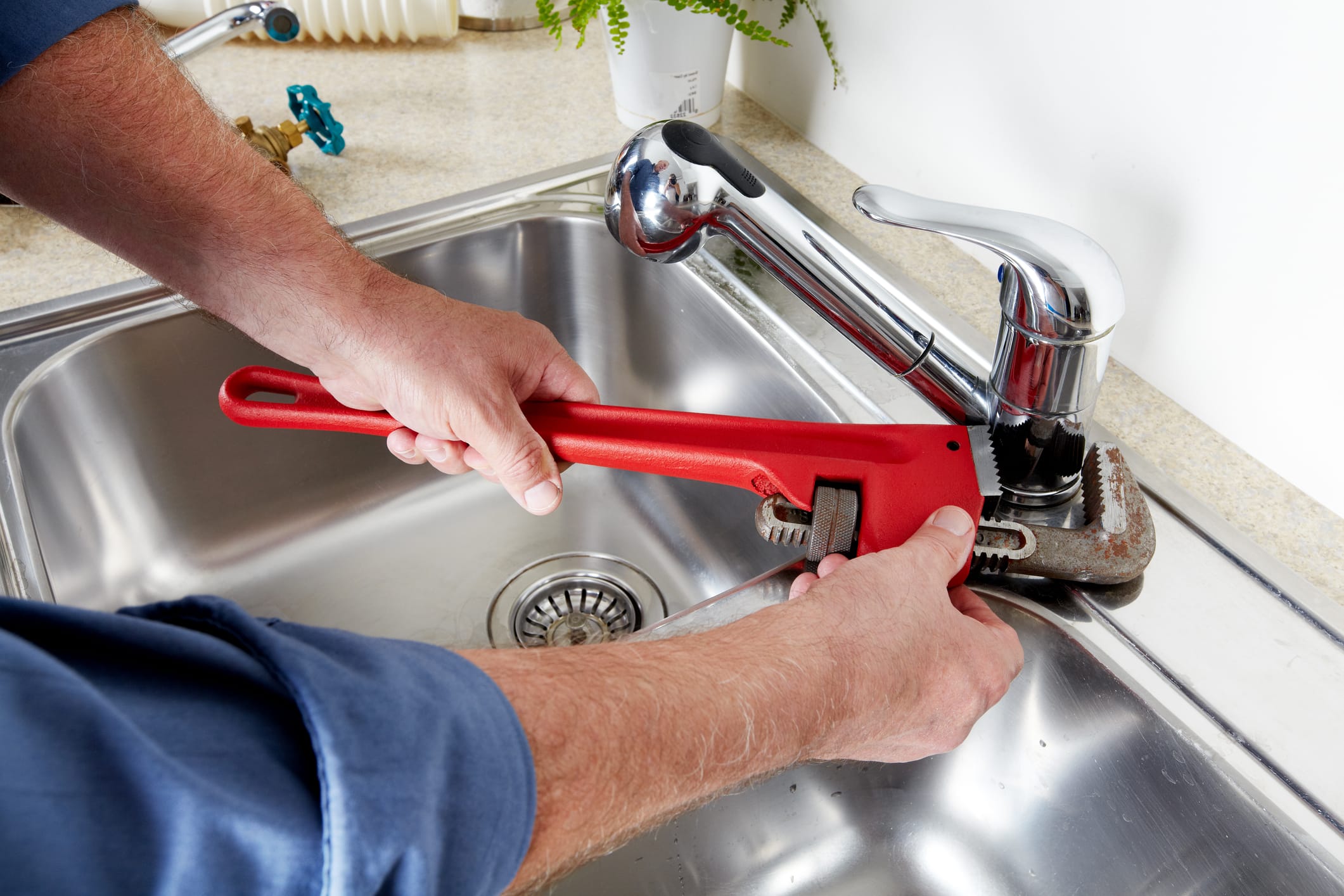
Why Plumbing Maintenance Matters
Many plumbing problems start small. A dripping faucet, slow drains, or slightly higher water pressure than normal may not seem urgent today, but they can become much larger and more expensive problems over time.
Routine maintenance offers several benefits:
- Helps prevent water leaks and burst pipe emergencies
- Extends the life of plumbing fixtures and appliances
- Improves water efficiency
- Reduces utility bills
- Helps identify corrosion before it causes failures
- Lowers the likelihood of unexpected plumbing repairs
A little attention now can help you avoid major disruptions later.
Start with a Plumbing Maintenance Checklist
One of the easiest ways to stay ahead of plumbing problems is by creating a simple plumbing maintenance checklist that you complete every few months.
Include tasks such as:
- Inspect for leaks beneath sinks and around appliances
- Test water pressure
- Check your shut-off valve
- Look for signs of corrosion on exposed pipes
- Clean the garbage disposal
- Flush your water heater
- Inspect sprinkler systems
- Monitor your water meter for unusual usage
These regular inspections help catch small issues before they become costly repairs.
Check for Water Leaks
One of the simplest maintenance habits is walking through your home and inspecting visible plumbing connections.
Look beneath sinks, around toilets, behind the washing machine, and near the dishwasher for signs of moisture. Even small water leaks can eventually lead to water damage, mold growth, and higher repair costs.
If you notice damp cabinets, discoloration, or unexplained puddles, investigate the source as soon as possible.
Monitor Your Water Bill
Your monthly water bill can provide valuable insight into your plumbing system.
If your usage suddenly increases without any change in household habits, hidden leaks may be the cause. Comparing your monthly bills helps identify problems that are not immediately visible.
You can also check your water meter by turning off all water inside the home and watching to see if the meter continues moving. If it does, a hidden leak may be present.
Test Water Pressure
High water pressure may feel great in the shower, but it places unnecessary stress on your plumbing system.
Use a pressure gauge to test water pressure at an outdoor faucet or hose bib. If pressure is consistently too high, installing or adjusting a pressure regulator may help protect your pipes, appliances, and fixtures.
Maintaining appropriate pressure can reduce wear on everything from faucets to your water heater.
Keep Your Water Heater Healthy
Water heater maintenance is one of the most valuable things homeowners can do.
Over time, sediment buildup naturally collects inside the tank. This buildup reduces heating efficiency and forces the appliance to work harder.
Flushing your water heater once a year helps remove accumulated sediment. While performing maintenance, it is also wise to inspect the pressure relief valve and the anode rod, both of which play important roles in extending the life of the unit.
If you are uncomfortable performing these tasks yourself, a licensed plumber can help.
Watch What Goes Down Your Drains
Many clogged drains develop gradually because of everyday habits.
To reduce the chance of clogs:
- Avoid pouring grease down the sink.
- Never dispose of coffee grounds in the drain.
- Use sink strainers to catch food debris.
- Flush drains periodically with hot water and baking soda.
- Run plenty of water when using the garbage disposal.
These simple practices help keep slow drainage from turning into complete blockages.
Skip the Chemical Drain Cleaner
When slow drains appear, many homeowners immediately reach for a chemical drain cleaner.
While these products may offer temporary relief, repeated use can damage certain types of pipes over time. Instead, try a plunger for minor clogs or use gentler cleaning methods before resorting to stronger chemicals.
If clogged drains continue returning, professional diagnosis is often the better long-term solution.
Don't Ignore a Running Toilet or Leaky Faucet
A running toilet or leaky faucet may seem like a minor annoyance, but both can waste surprising amounts of water.
These problems often increase utility bills while placing unnecessary demand on your plumbing system. Fortunately, many repairs involve inexpensive components that can be addressed before larger problems develop.
Prompt repairs also help reduce long-term wear on plumbing fixtures.
Protect Pipes During Cold Weather
Although Las Vegas rarely experiences prolonged freezing temperatures, occasional cold snaps can still affect exposed plumbing.
If you have plumbing located in unconditioned spaces, consider insulating vulnerable sections. Taking time to insulate exposed pipes can reduce the likelihood of freezing and lower the risk of a burst pipe during unusually cold weather.
Schedule Regular Inspections
Even homeowners who perform routine maintenance benefit from professional evaluations.
A professional inspection can identify hidden leaks, aging components, sewer line concerns, or developing corrosion before they become major repairs. Regular inspections provide additional confidence that your plumbing system is functioning properly.
For older homes, periodic inspections become even more valuable.
Key Takeaways
- Preventive maintenance helps reduce plumbing repairs and water damage.
- Monitor your water bill and water meter for hidden leaks.
- Test water pressure regularly using a pressure gauge.
- Flush your water heater to remove sediment buildup.
- Inspect the pressure relief valve and anode rod during water heater maintenance.
- Avoid disposing of coffee grounds and grease down drains.
- Skip chemical drain cleaner whenever possible and address recurring clogs promptly.
FAQs About Plumbing Maintenance Tips
Protect Your Home's Plumbing with Dwellness
Routine plumbing maintenance helps keep your home's systems operating efficiently, but even the most well-maintained plumbing components eventually experience normal wear and unexpected breakdowns. When they do, having dependable protection can make a stressful situation much easier to manage.
Dwellness helps homeowners protect important home systems, including plumbing, from unexpected repair costs. Contact Dwellness today to learn more about our home warranty plans and discover how our coverage can provide lasting peace of mind when your home needs it most.