
Buying a new home should feel like stepping into a clean, quiet room. Still, even newly built homes can hide problems behind fresh paint. A builder’s home warranty (also called builder warranties, new home warranties, or a home builder’s warranty) is a promise tied to new construction. It usually covers defects in workmanship and materials, plus mechanical systems and structural elements for a set time period.
For homebuyers and homeowners, the goal is simple: peace of mind and fewer surprise costs after move-in.
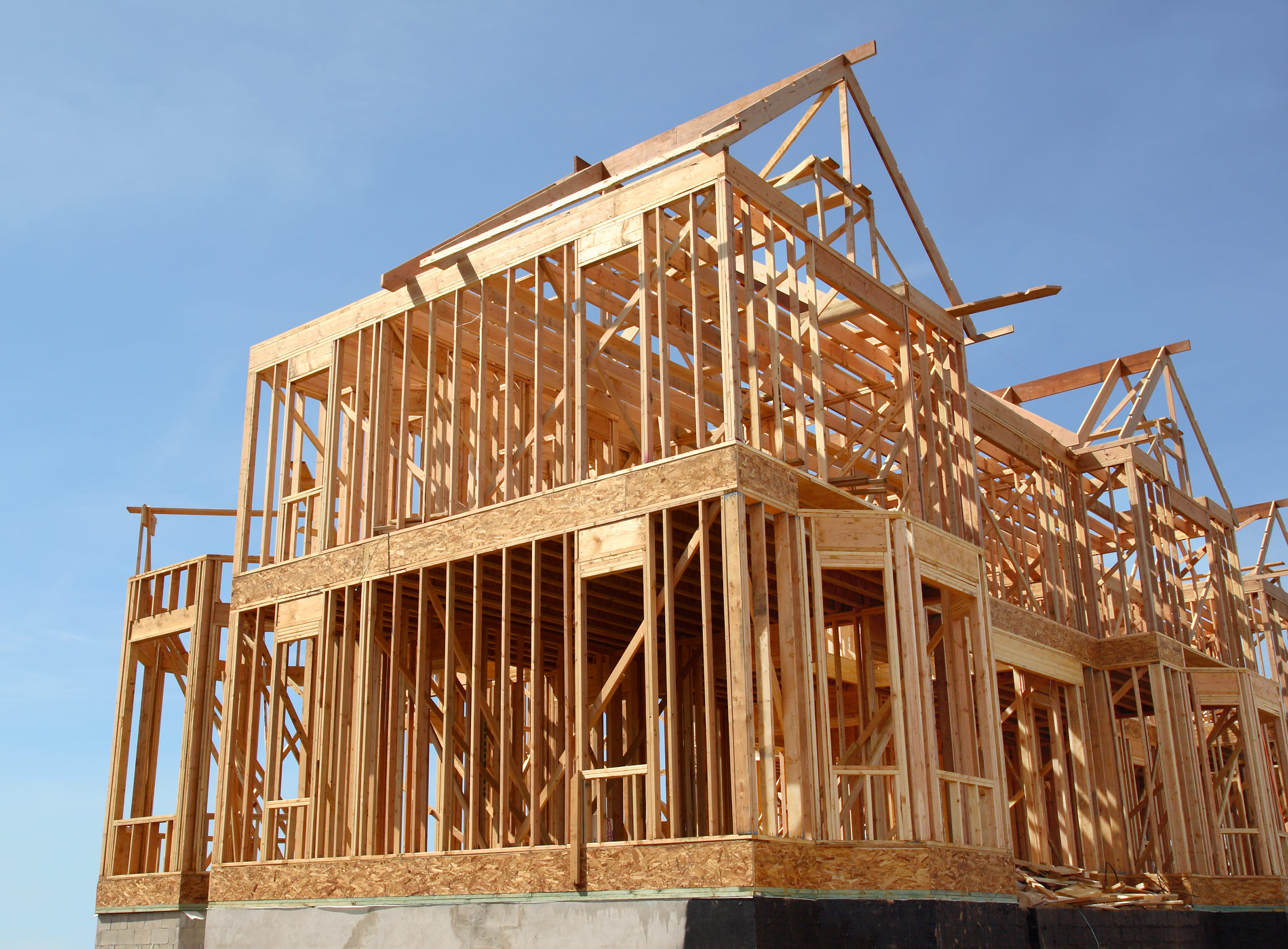
What a builder's home warranty usually covers, and how long it lasts
Many home builders follow a "1-2-10" pattern, but warranty coverage varies by contract and state rules. In plain terms, the first year often targets workmanship issues, the next years address key home systems, and the long tail focuses on the structural warranty for serious structural defects.
If your builder coverage ends quickly, a separate new construction home warranty can help with covered items that fail later from normal wear and tear (it's a different type of protection).
Year 1, workmanship and materials fixes
During the first year, builders often fix problems tied to workmanship or materials. Think drywall cracks beyond normal settling, sticky doors, misaligned trim, cabinet issues, paint flaws, and uneven flooring.
Some cosmetic changes may fall under exclusions, depending on the contract. So, document early. Keep emails, dates, and photos, then request covered repairs before the deadline.
Years 2 and beyond, systems and structure protection (if included)
Many plans extend into years 2 and beyond for defects tied to mechanical systems. That often includes HVAC, air conditioning, electrical systems, plumbing, ductwork, and water heaters, when the issue traces back to a faulty installation or materials.
A 10-year structural warranty, when offered, usually targets major structural defects. These are structural issues that affect safety or use, such as failures involving the foundation, beams, load-bearing walls, and roof framing. In other words, it's about core structural elements, not minor cracks.
Builder warranty vs. home warranty vs. homeowners insurance: what's the difference?
These protections sound similar, but they don't do the same job. A home warranty is usually a paid service contract from a warranty company (sometimes called a warranty program). Home warranty cover and home warranty coverage often focus on repairs or replacement for home systems and appliances, based on the contract terms.
Homeowners insurance tends to cover sudden events like fire, theft, or storm damage. A manufacturer's warranty covers one product, like an oven or condenser, and often has its own claim rules. A real estate agent may mention service contracts or a third-party warranty during a new home purchase, but you still need to read what's written.
Why don't these protections replace each other
Builder warranties address defects in the building of the home. Insurance handles disasters, not poor workmanship. Product warranties cover the appliance, not your whole house. A home warranty can fill gaps after builder coverage ends.
Common exclusions and simple steps to protect your claim
New home warranties often exclude owner misuse, poor maintenance, changes after closing, weather events, landscaping, and normal wear and tear. They may also push some items to a manufacturer's warranty instead.
Save the warranty booklet, follow maintenance rules, and report problems in writing before deadlines.
Because some problems show up slowly, act early. Also, avoid unapproved modifications that can complicate covered repairs, especially in new construction.
What tends to be excluded, even in new home warranties
Damage from neglect, DIY changes, and cosmetic wear are common exclusions. Coverage limits also matter, so don't rely on assumptions.
Builder's home warranty FAQs
Fast answers to the questions people ask most
Contact Dwellness
After the builder period, many Las Vegas homeowners want backup for everyday breakdowns. Dwellness is a home warranty company that helps with covered items like HVAC, plumbing, electrical, and appliances when they fail from normal wear and tear (not builder defects). To request service, you pay a service request deductible ($100 or $125, depending on plan). Coverage generally starts after a waiting period unless tied to closing. Get a free quote or call 702-641-8888.