
Why won’t my dishwasher drain? A dishwasher may not drain because of a clogged filter, blocked drain hose, garbage disposal problem, faulty drain pump, or another obstruction in the drainage system. In some cases, the solution is as simple as cleaning the filter. Other drainage problems require professional appliance repair, especially when an internal component has failed.
If you open your dishwasher after a cycle and find standing water at the bottom, don’t immediately assume you need a new appliance. Start with a few basic troubleshooting steps to figure out where the problem may be coming from.
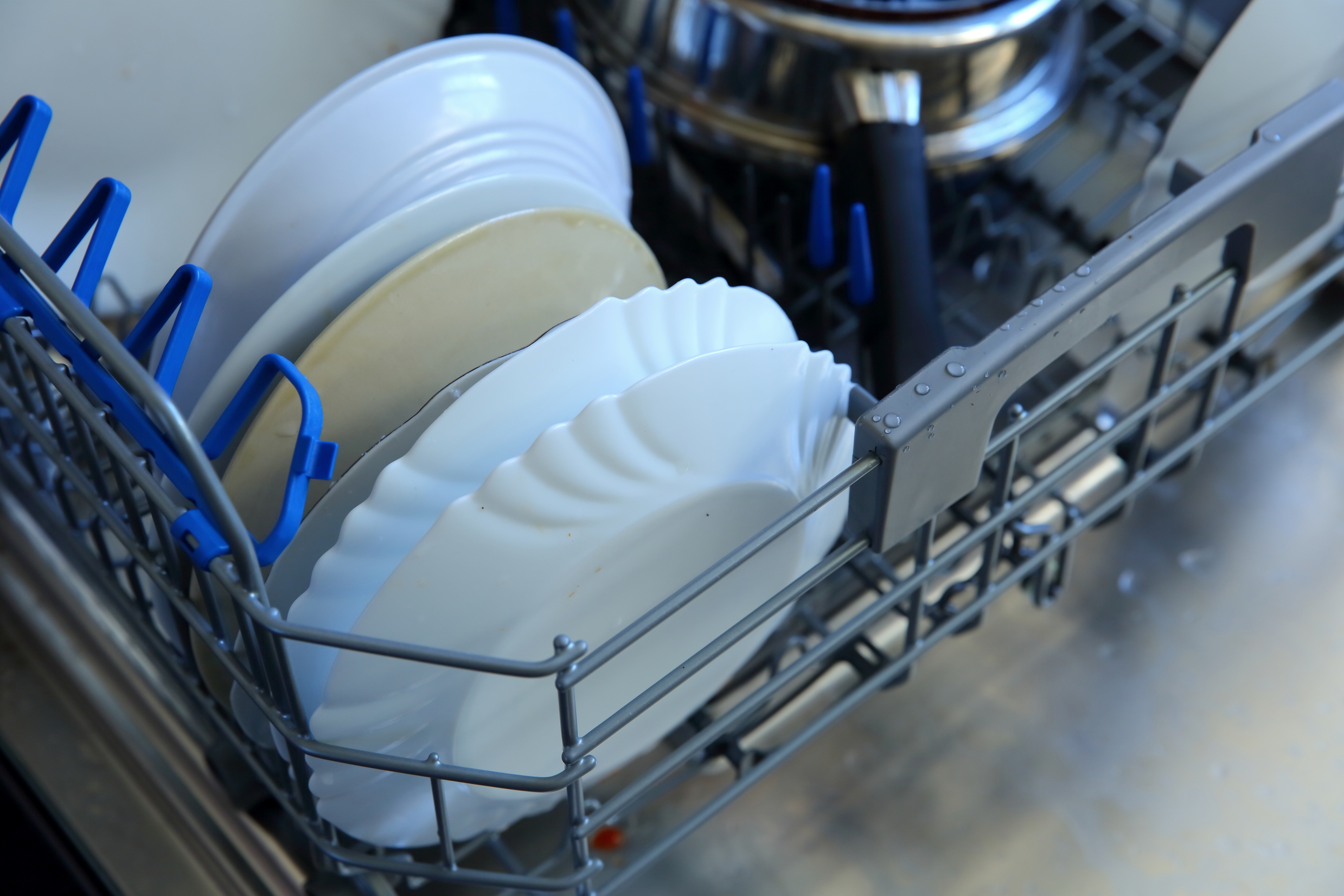
Why Is There Water in the Bottom of My Dishwasher?
A small amount of water around or beneath the filter area can be normal for some dishwasher models. A noticeable pool of dirty water covering the bottom of the tub is another story.
During a normal wash cycle, the dishwasher needs to move wastewater through its drainage system and out of the appliance. A blockage anywhere along that path can prevent water from leaving properly.
Drainage problems can also develop when a mechanical or electrical component responsible for draining the dishwasher stops working.
Before troubleshooting, turn off power to the dishwasher when appropriate and consult the manufacturer's instructions for your specific model.
1. Check and Clean the Dishwasher Filter
A dirty dishwasher filter is one of the first things worth checking.
The filter catches food particles and other debris so they don't continually circulate through the dishwasher. Over time, that material can accumulate and interfere with drainage.
Many modern dishwashers have removable filters near the bottom of the tub. Follow your owner's manual for instructions on removing yours, then clean it according to the manufacturer's recommendations.
If the filter is coated in food residue, cleaning it may solve the drainage problem. Even if it doesn't, regular filter cleaning can help your dishwasher operate properly.
2. Check for Food and Debris Around the Drain
While the filter is removed, inspect the accessible area around the dishwasher drain.
Pieces of food, broken glass, labels from jars, and other debris can potentially create an obstruction. Remove anything you can safely reach without disassembling internal components.
Use caution when reaching into this area. Broken glass can be difficult to see beneath standing or cloudy water.
If you cannot safely access an obstruction, leave the repair to a professional.
3. Inspect the Dishwasher Drain Hose
The drain hose carries wastewater from the dishwasher to the household drainage system or garbage disposal.
If that hose becomes kinked, crushed, or clogged, the dishwasher may struggle to empty. Check the accessible portion of the hose for obvious problems.
A dishwasher drain hose also needs to be installed correctly. Improper routing can contribute to drainage issues or allow wastewater to flow back toward the dishwasher.
If the hose needs to be disconnected or the blockage is not easily accessible, professional help may be appropriate.
4. Check the Garbage Disposal
If your dishwasher drains through a garbage disposal, the disposal may be part of the problem.
Run the garbage disposal according to its operating instructions to clear food that may be obstructing drainage. Never place your hand inside a garbage disposal to investigate a clog.
Drainage problems can also occur shortly after installing a new garbage disposal. Many disposals have a knockout plug where the dishwasher drain hose connects. If that plug was not removed during installation, the dishwasher cannot drain through the disposal correctly.
If your dishwasher stopped draining immediately after a garbage disposal was installed or replaced, this is an especially useful possibility to investigate.
5. Look for a Clogged Sink Drain
Your dishwasher and kitchen sink may share part of the same drainage system.
If the sink is also draining slowly or backing up, the problem may extend beyond the dishwasher itself. A household plumbing clog can prevent dishwasher wastewater from draining normally.
Pay attention to what happens at the sink when the dishwasher attempts to drain. Water backing up into the sink can provide an important clue about where the obstruction is located.
A persistent plumbing blockage may require a plumber rather than an appliance repair technician.
6. Check the Air Gap
Some dishwasher installations use an air gap, which is typically a small fixture located near the kitchen faucet.
Its purpose is to help prevent contaminated drain water from flowing backward into the dishwasher. Debris can sometimes obstruct the air gap and interfere with drainage.
If your kitchen has one, inspect and clean it according to the manufacturer's recommendations.
Not every dishwasher installation uses an air gap, so don't worry if you cannot find one next to your sink.
7. Make Sure the Dishwasher Cycle Finished
Before taking anything apart, make sure the dishwasher actually completed its cycle.
A power interruption, accidentally opened door, control issue, or canceled cycle could leave water behind even when the drainage system itself is functioning.
Try following your dishwasher's instructions for canceling or resetting a cycle and activating the drain function, if available.
If the dishwasher repeatedly stops before draining, you may be dealing with a control, electrical, or component problem rather than a simple clog.
8. Consider a Faulty Drain Pump
If you've ruled out accessible blockages, the problem may involve the dishwasher's drain pump.
The drain pump helps move wastewater out of the appliance. If the pump becomes obstructed, damaged, or electrically faulty, water may remain in the tub.
Listen to the dishwasher when it reaches the portion of the cycle when it should drain. An unusual humming, grinding, or complete lack of normal draining sounds can provide useful information to a repair professional.
Diagnosing or replacing an internal pump generally goes beyond basic homeowner maintenance. If you've reached this stage, professional appliance repair is usually the safer approach.
9. Look for Problems With the Dishwasher Controls
Modern dishwashers rely on timers, sensors, switches, and electronic controls to move through each stage of a wash cycle.
If the dishwasher washes normally but never initiates the drain portion of the cycle, a control-related issue could potentially be responsible.
These problems can be difficult to diagnose because several components can produce similar symptoms. Professional testing can identify whether the drain pump is actually receiving the signal and power it needs to operate.
How to Unclog a Dishwasher That Won't Drain
If your dishwasher isn't draining, start with the simplest and safest possibilities before assuming a component has failed.
First, cancel or reset the cycle according to the manufacturer's instructions and see whether the appliance drains. Then check the filter and accessible drain area for debris.
Next, look for obvious kinks in the drain hose and check the garbage disposal, sink drain, and air gap when applicable.
If those steps don't resolve the problem, avoid repeatedly running the dishwasher full of standing water. At that point, the problem may require professional diagnosis.
Can You Use a Drain Cleaner in a Dishwasher?
Avoid pouring chemical drain cleaner into your dishwasher unless the dishwasher manufacturer specifically instructs you to use that product.
Drain cleaners can contain harsh chemicals that may damage appliance components and create hazards for someone who later needs to service the dishwasher.
A clogged dishwasher also may not be caused by the type of plumbing obstruction that a chemical drain cleaner is designed to address.
Use manufacturer-approved cleaning and troubleshooting methods instead.
When Should You Call a Professional?
Basic cleaning and troubleshooting can solve some dishwasher drainage problems, but there is a point where DIY work should stop.
Consider professional service if your dishwasher still won't drain after you've checked the accessible filter, drain area, disposal, and hose. You should also seek help if you notice electrical problems, leaking, repeated error codes, unusual pump noises, or a problem involving internal wiring or components.
A technician can determine whether the issue is a clog, failed drain pump, control problem, or another malfunction.
Getting the correct diagnosis also helps you avoid replacing parts unnecessarily.
Should You Repair or Replace a Dishwasher That Won't Drain?
A dishwasher that won't drain does not automatically need replacement.
If the appliance is relatively new and the problem involves a filter, hose, pump, or another repairable component, fixing it may make financial sense.
Age becomes more important when the repair is expensive. Most dishwashers last roughly 9 to 12 years, although some can continue operating longer with appropriate maintenance.
If your dishwasher is already near the end of its expected lifespan and has needed several recent repairs, compare the cost of another repair with the cost of replacing the appliance.
How to Help Prevent Dishwasher Drainage Problems
Routine maintenance can help reduce the chance of certain clogs and drainage problems.
Scrape large pieces of food from dishes before loading them, and check the dishwasher filter regularly. Clean the filter according to the manufacturer's recommended schedule rather than allowing food and grease to accumulate.
Keep your garbage disposal and kitchen drain functioning properly if they share the dishwasher's drainage path.
Pay attention to early changes, too. A dishwasher that suddenly drains more slowly than normal may be developing a problem even if it eventually empties.
Does a Home Warranty Cover a Dishwasher That Won't Drain?
A home warranty may cover an eligible dishwasher breakdown when the appliance is included in your plan and the problem results from normal wear and tear.
For example, a qualifying failure of a covered dishwasher component may be eligible for repair. However, a plumbing blockage, improper installation, excluded condition, or routine maintenance issue may be treated differently under the service agreement.
If you have home warranty coverage, contact your provider before independently scheduling a non-emergency appliance repair. The provider can arrange for diagnosis and determine whether the problem qualifies for coverage.
Service fees, coverage limits, exclusions, and other contract terms may apply.
Key Takeaways
If you're wondering, "Why won't my dishwasher drain?" start by checking for a clogged filter, debris near the drain, a kinked drain hose, garbage disposal problems, or a clogged air gap. Problems with the drain pump or electronic controls may require professional diagnosis.
Don't assume standing water means you need a new dishwasher. Many drainage problems can be repaired, particularly when the appliance is otherwise in good condition.
Regular filter cleaning and basic dishwasher maintenance can help prevent some drainage issues. If simple troubleshooting doesn't solve the problem, a qualified professional can identify whether you're dealing with an appliance failure or a larger plumbing issue.
FAQs About a Dishwasher That Won't Drain
Get Help When Your Las Vegas Appliances Stop Working
A dishwasher that won't drain can turn a normal kitchen cleanup into a frustrating mess. Basic troubleshooting may solve a simple clog, but failed pumps and other covered components can lead to an unexpected repair bill.
Dwellness helps Las Vegas homeowners prepare for eligible breakdowns involving covered kitchen appliances and major home systems. When a covered dishwasher fails because of normal wear and tear, your home warranty can help make the repair process easier to manage, subject to your plan terms.
Contact Dwellness today to learn more about protecting the appliances and systems you depend on throughout your Las Vegas home.