
The average water heater replacement cost typically ranges from about $1,000 to $3,500 or more, depending on the type of water heater, the size of the unit, labor costs, installation requirements, and your location. A basic tank water heater is generally less expensive to replace than a tankless model, but the total price can vary significantly based on your home’s plumbing, electrical, or gas connections.
If your water heater is nearing the end of its lifespan, understanding what goes into the total replacement cost can help you budget appropriately and make the best decision for your home.
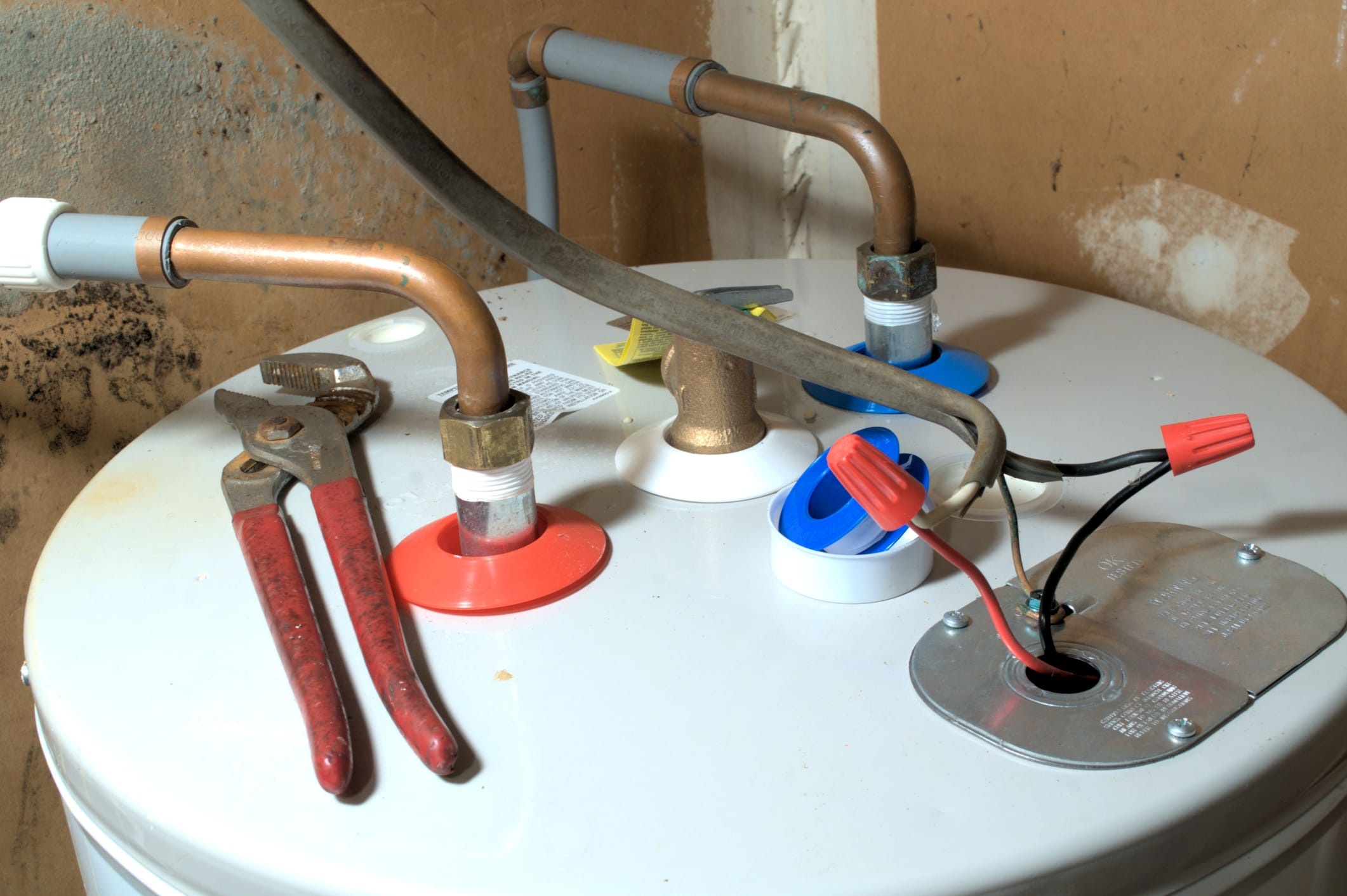
What Has the Biggest Impact on Water Heater Replacement Cost?
Replacing a water heater involves more than simply purchasing a new unit. Several factors contribute to the total project cost, and every home is a little different.
Some of the biggest cost factors include:
- The type of water heater you choose
- The size and capacity of the unit
- Labor and installation costs
- Whether plumbing or electrical upgrades are needed
- Local permit requirements
- Disposal of the old water heater
- Your geographic location
Because each installation is unique, it's always a good idea to obtain a detailed estimate before work begins.
Choosing Between Different Types of Water Heaters
The type of water heater you install is one of the biggest factors affecting the overall replacement cost.
Traditional storage tank water heaters are the most common and are generally the most affordable to purchase and install. They continuously heat and store a supply of hot water, making them a practical option for many households.
Tankless water heaters typically cost more upfront but heat water only when it's needed. Because they don't store hot water in a tank, they can be more energy efficient and often last longer than traditional models.
Heat pump water heaters and solar water heaters are also available for homeowners looking to maximize energy efficiency, although they usually come with higher installation costs.
Selecting the Right Size for Your Household
Bigger isn't always better when it comes to water heaters.
A unit that's too small may struggle to keep up with your family's hot water demands, while an oversized unit may consume more energy than necessary. Choosing the appropriate capacity depends on the number of people in your household, your daily water usage, and whether multiple appliances frequently use hot water at the same time.
A plumbing professional can help determine the right size based on your home's specific needs.
Fuel Type Can Affect Installation Costs
Your home's existing utility connections also play a role in replacement costs.
Many homes use either natural gas or electricity to power their water heater. If you're replacing a unit with the same fuel type, installation is often more straightforward. However, switching from electric to gas or vice versa may require additional plumbing, electrical work, ventilation, or gas line modifications that increase the overall cost.
Before deciding to change fuel sources, it's worth discussing both the upfront expense and the potential long-term operating costs.
Don't Forget About Additional Costs
The price of the new water heater isn't always the final price you'll pay.
Additional expenses may include permit fees, code upgrades, expansion tanks, new shutoff valves, venting modifications, drain pan installation, or replacing aging water supply connections. Some contractors also charge for hauling away and disposing of the old unit.
While these costs don't apply to every installation, they're worth discussing during the estimate process so there are no surprises later.
The Replacement Process
Most standard water heater replacements can be completed in a single day, although more complex installations may take longer.
The process usually begins with shutting off the water and power or gas supply before disconnecting the existing unit. Once the old water heater is removed, the new system is installed, connected, tested, and inspected to verify it operates safely and efficiently.
Preparing the installation area by ensuring clear access can help the work go more smoothly.
Should You Repair or Replace?
Not every water heater problem requires a complete replacement.
If your water heater is only a few years old and the issue involves a replaceable component such as a heating element or thermostat, repairing the unit often makes financial sense. However, if the tank is leaking, corrosion is widespread, or the unit is approaching the end of its expected lifespan, replacement is usually the better long-term investment.
A qualified plumbing professional can evaluate the condition of the unit and explain your options.
Maintenance Can Extend the Life of Your New Water Heater
Once your new water heater is installed, routine maintenance can help protect your investment.
Flushing the tank periodically removes sediment that naturally accumulates over time. Inspecting the pressure relief valve, replacing the anode rod when needed, and scheduling occasional professional inspections can all help improve efficiency and extend the unit's lifespan.
Taking care of your water heater today may help delay replacement costs in the future.
Energy Efficiency May Lower Long-Term Costs
While higher-efficiency water heaters often cost more upfront, they may reduce monthly utility bills over time.
Tankless systems, heat pump water heaters, and newer ENERGY STAR® models are designed to use less energy than many older units. Depending on where you live, choosing an energy-efficient model may also reduce your home's environmental impact by lowering energy consumption.
Balancing the purchase price with long-term operating costs is an important part of choosing the right water heater.
Financing, Rebates, and Incentives
Replacing a water heater is a significant investment, but homeowners may have options to help reduce the financial impact.
Some manufacturers, utility companies, or local governments offer rebates or incentives for installing qualifying high-efficiency water heaters. Many contractors also provide financing options that allow homeowners to spread installation costs over time.
Available programs vary by location, so it's worth asking your contractor or utility provider about current offers before purchasing a new unit.
Key Takeaways
- Water heater replacement cost varies based on the type of unit, installation requirements, and local labor costs.
- Traditional tank water heaters generally cost less upfront than tankless models.
- Proper sizing helps ensure your household has enough hot water without unnecessary energy use.
- Fuel type, code upgrades, permits, and disposal fees can affect the total replacement cost.
- Routine maintenance helps maximize the lifespan of a new water heater.
- Energy-efficient models may cost more initially but reduce long-term operating expenses.
- Rebates, financing, and utility incentives may help offset replacement costs.
Frequently Asked Questions
Protect Your Las Vegas Home with Dwellness
Replacing a water heater can be a major home expense, especially when it happens unexpectedly. While routine maintenance can help extend the life of your equipment, every water heater eventually reaches the point where repairs or replacement become necessary.
Dwellness helps Las Vegas homeowners protect eligible home systems, including water heaters, through dependable home warranty coverage. Contact Dwellness today to learn more about our home warranty plans and discover how we can help you prepare for unexpected repairs and replacements with greater peace of mind.