
Refrigerator compressor replacement cost typically ranges from about $500 to $1,200 or more, depending on the refrigerator brand, compressor type, labor rates, refrigerant requirements, and the complexity of the repair. On high-end, built-in, or newer variable-speed refrigerators, the total can climb even higher.
Because the compressor is one of the most important and expensive parts of a refrigerator, this repair often forces homeowners to decide whether fixing the appliance still makes sense or whether replacement would be the better long-term value.
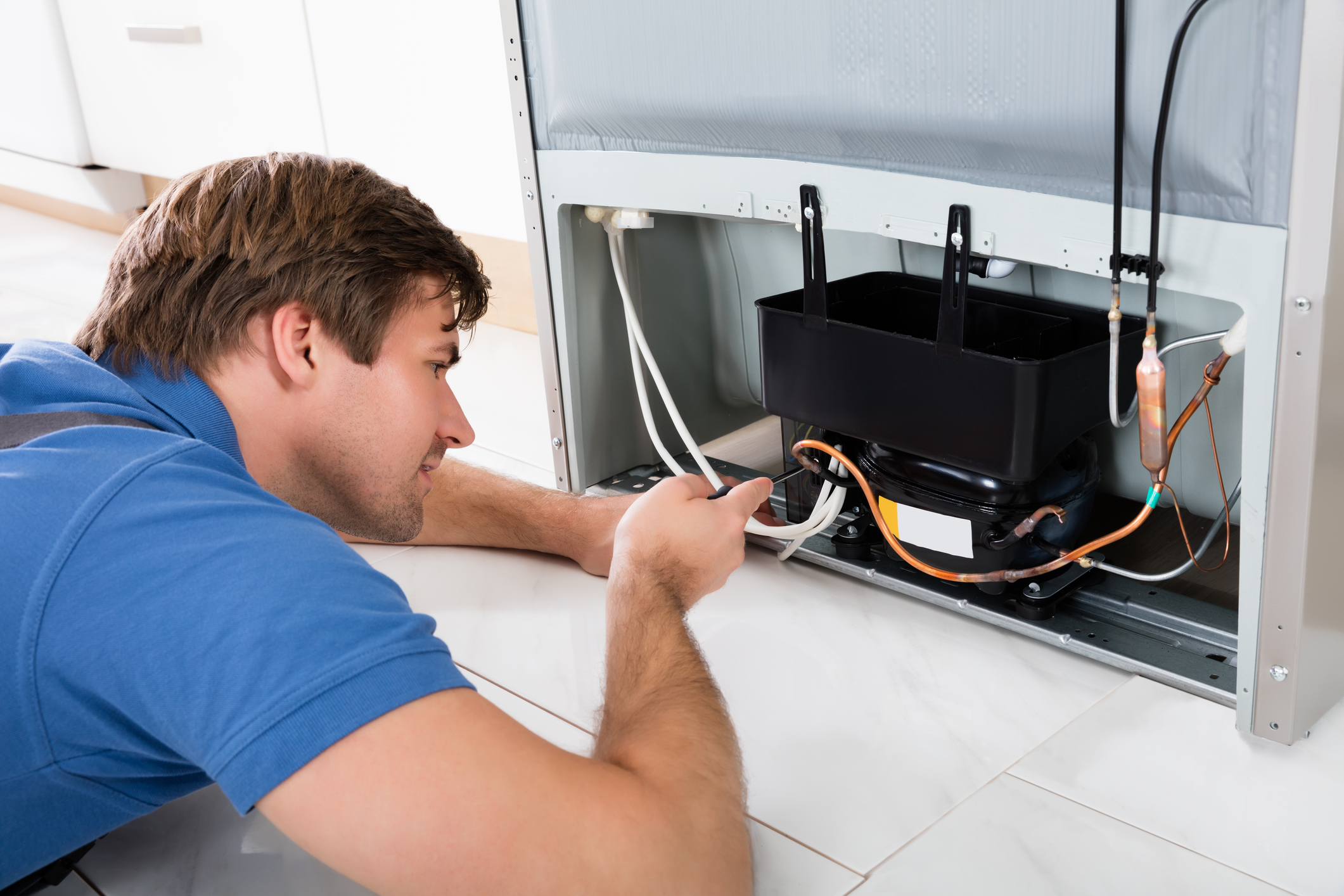
What Does a Refrigerator Compressor Do?
The compressor is essentially the heart of your refrigerator's cooling system.
It compresses refrigerant and helps move it through the sealed system so heat can be removed from inside the refrigerator. Without a properly working compressor, your refrigerator may run without getting cold enough, cycle abnormally, or stop cooling altogether.
That is why compressor problems can quickly become serious. If temperatures rise too much, food safety can become a concern in addition to the repair itself.
How Much Does Refrigerator Compressor Replacement Cost?
A typical refrigerator compressor replacement may cost somewhere around $500 to $1,200, but the final bill can vary quite a bit.
The repair usually includes more than the compressor itself. A technician may need to recover refrigerant, remove the failed compressor, install the replacement, evacuate and recharge the sealed system, test for leaks, and verify that the refrigerator is cooling properly again.
That level of specialized labor is one reason compressor replacement costs much more than simpler refrigerator repairs such as replacing a thermostat, fan, or door gasket.
What Affects the Cost of Replacing a Refrigerator Compressor?
Several factors can push the repair toward the lower or higher end of the range.
Refrigerator Brand and Model
Replacement parts vary significantly by brand and model.
A compressor for a common top-freezer refrigerator may cost less than one for a premium French door, counter-depth, or built-in model. Some newer refrigerators also use inverter or variable-speed compressors that can be more expensive than conventional designs.
Having the model number available helps a repair technician identify the correct part and provide a more accurate estimate.
Labor Costs
Compressor replacement requires specialized sealed-system work, so labor often makes up a significant portion of the total cost.
Rates vary depending on where you live and the appliance repair company you use. Some technicians charge a diagnostic or service call fee before providing the final repair estimate.
Refrigerant Type
The refrigerant used by your refrigerator can also affect the repair.
Modern refrigerators may use different refrigerants than older models, and sealed-system repairs require proper equipment and procedures. Refrigerant recovery and recharge are usually part of professional compressor replacement.
Appliance Design
Built-in refrigerators and tightly integrated kitchen appliances can be more difficult to access and service.
The added labor involved in moving, disassembling, or reconnecting certain models may increase the final refrigerator compressor replacement cost.
Signs Your Refrigerator Compressor May Be Failing
A warm refrigerator does not automatically mean the compressor is bad. Several less expensive problems can produce similar symptoms.
Possible warning signs include:
- Refrigerator and freezer temperatures rising
- Compressor repeatedly trying to start
- Clicking followed by silence
- Unusually loud humming or buzzing
- Compressor running almost constantly
- Refrigerator becoming unusually warm around the exterior
- Cooling that becomes progressively weaker
- Food spoiling sooner than expected
Problems with condenser coils, fans, start components, sensors, or the control board can also affect cooling. Proper diagnosis is important before committing to such an expensive repair.
Could It Be Something Cheaper Than the Compressor?
Absolutely.
Before replacing a compressor, a technician should rule out other potential causes of poor cooling. A dirty condenser, failed condenser fan, evaporator fan problem, faulty start relay, thermostat issue, or electronic control problem may create symptoms that look like compressor failure.
Some of these repairs can cost substantially less.
That is why it generally does not make sense to diagnose a compressor based only on the refrigerator being warm. Sealed-system testing can help determine whether the compressor itself has actually failed.
Repair vs. Replace: Is a New Compressor Worth It?
Whether compressor replacement makes sense depends largely on the refrigerator's age, value, condition, and repair history.
A relatively new refrigerator with an otherwise good track record may be worth repairing, especially if it is an expensive built-in or premium model. Spending $800 on a repair can make more sense when replacing the appliance would cost several thousand dollars.
The calculation changes with an older standard refrigerator. If the appliance is already near the end of its expected lifespan and the compressor repair approaches a large percentage of replacement cost, buying a new refrigerator may provide better value.
Consider:
- Age of the refrigerator
- Cost of the compressor repair
- Price of a comparable new refrigerator
- Previous repair history
- Overall condition
- Energy efficiency
- Availability of replacement parts
- Remaining warranty coverage
Do not evaluate the compressor repair in isolation.
Does the Manufacturer's Warranty Cover the Compressor?
Sometimes.
Many refrigerator manufacturers provide longer warranty coverage on sealed-system components than they do on other parts of the appliance. The compressor may have extended parts coverage even after the general appliance warranty has expired.
However, parts and labor may have different warranty periods. A compressor could still qualify for a replacement part while the homeowner remains responsible for labor, refrigerant, or other related charges.
Before paying for a compressor replacement, check your warranty documents using the refrigerator's model and serial number.
How Long Do Refrigerator Compressors Last?
A refrigerator compressor can often last many years, but there is no exact lifespan that applies to every appliance.
Overall refrigerator lifespan is commonly around 10 to 15 years, and the compressor may last for most or all of that time. Heavy use, poor ventilation, dirty condenser coils, electrical problems, and excessive heat can all place additional strain on the cooling system.
Regular refrigerator maintenance can help reduce unnecessary workload, although no amount of maintenance can prevent every mechanical failure.
Can You Replace a Refrigerator Compressor Yourself?
For most homeowners, no.
Compressor replacement is not a typical DIY appliance repair. It involves sealed refrigerant lines, specialized tools, electrical work, refrigerant handling, leak testing, evacuation, and recharging.
Improper work can damage the refrigerator, create safety problems, or make the repair unsuccessful.
A qualified appliance technician with sealed-system experience is the appropriate person to handle compressor replacement.
How to Help Protect Your Refrigerator Compressor
You cannot prevent every compressor failure, but you can reduce avoidable strain.
Keep the condenser coils clean according to the manufacturer's recommendations. Make sure the refrigerator has adequate ventilation and is not pushed into a space that restricts airflow.
Also avoid setting the refrigerator colder than necessary. A refrigerator temperature around 37°F and freezer temperature around 0°F are generally appropriate for food storage.
Check door seals periodically, too. A damaged gasket allows cold air to escape and forces the compressor to run longer.
What Happens During Compressor Replacement?
A professional compressor replacement usually involves several steps.
First, the technician confirms that the compressor is actually defective. The refrigerant is then properly recovered before the failed compressor is disconnected and removed.
The new compressor is installed and connected to the sealed system. The technician evacuates the system to remove air and moisture, recharges it with the correct refrigerant, and tests the refrigerator for proper operation and leaks.
Because the refrigerator may take time to return to safe temperatures, follow the technician's guidance before restocking perishable food.
Can a Home Warranty Help With Refrigerator Compressor Replacement?
Potentially, if the refrigerator and compressor failure qualify under your plan.
A home warranty may help cover eligible refrigerator repairs caused by normal wear and tear. If the compressor is a covered component and repair is appropriate, the provider may arrange service and help with eligible costs according to the contract.
Coverage limits, service fees, exclusions, and repair-or-replacement provisions can all affect the final benefit.
If you have home warranty coverage, contact your provider before independently authorizing a non-emergency compressor repair.
Key Takeaways
Refrigerator compressor replacement cost is typically around $500 to $1,200 or more, making it one of the more expensive refrigerator repairs homeowners may encounter.
The final price depends on the appliance, compressor, labor, refrigerant, and repair complexity. Because other cooling problems can mimic compressor failure, professional diagnosis is especially important before approving the repair.
Whether replacement makes sense depends on the refrigerator's age, value, repair history, and remaining warranty coverage. For newer or premium appliances, repairing the compressor may be worthwhile. For older standard refrigerators, replacing the appliance may provide better long-term value.
FAQs About Refrigerator Compressor Replacement Cost
Make Expensive Refrigerator Repairs Easier With Dwellness
A failed refrigerator compressor can quickly turn into one of the more expensive appliance repairs in your home. And when the refrigerator stops cooling, you usually do not have much time to decide what to do next.
Dwellness helps Las Vegas homeowners prepare for eligible breakdowns involving covered refrigerators and other major home appliances. Depending on your plan and the circumstances of the failure, home warranty coverage can help make an unexpected compressor repair easier to manage.
Contact Dwellness today to learn more about protecting the appliances and home systems you rely on every day.