
How long do ovens last? Most ovens can last approximately 10 to 15 years, although a well-maintained oven may continue working beyond that range. The type of oven, frequency of use, maintenance habits, quality of the appliance, and repairs it has needed over the years can all affect its actual lifespan.
An older oven does not automatically need to be replaced just because it reaches a certain age. If it still heats evenly, maintains the correct temperature, and has not required frequent repairs, there may be plenty of life left in it. However, repeated breakdowns and declining performance can signal that replacement is becoming the better investment.
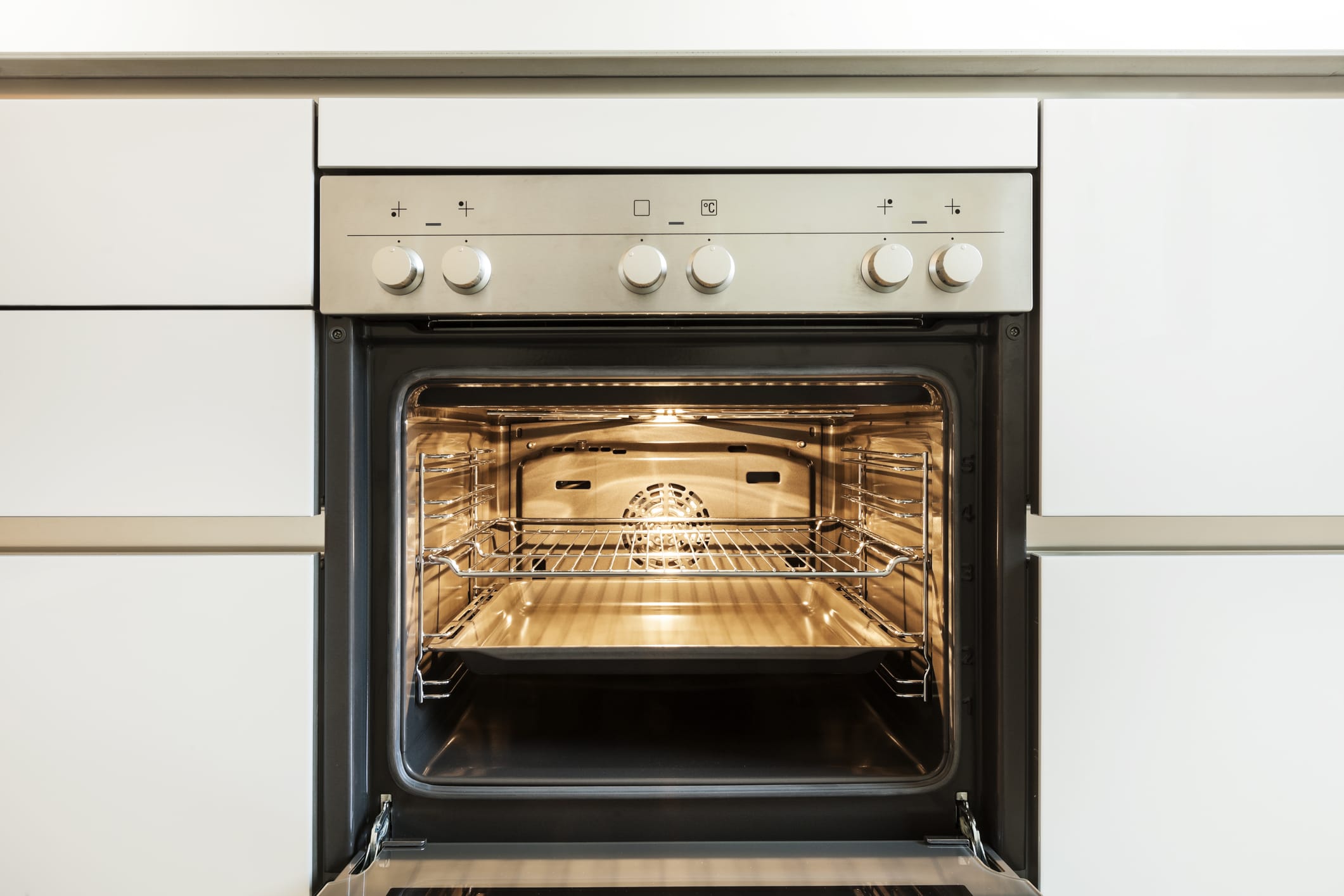
What Is the Average Lifespan of an Oven?
Ovens are generally among the longer-lasting major kitchen appliances. While roughly 10 to 15 years is a useful general estimate, there is no exact expiration date.
Gas and electric ovens also operate differently, so the components that eventually cause problems can vary. Electric ovens rely on heating elements, while gas ovens use components such as burners and igniters to produce heat. Both types also contain thermostats, sensors, electronic controls, door components, and other parts that can wear out.
How you use your oven matters, too. Someone who cooks multiple meals every day is naturally putting more hours on an appliance than someone who uses the oven a few times per week.
Instead of focusing solely on age, consider age alongside performance, condition, and repair history.
What Affects How Long an Oven Lasts?
Two identical ovens can have very different lifespans depending on how they are used and maintained.
One of the biggest factors is frequency of use. Regular cooking is exactly what an oven is designed for, but heavy use creates more wear on heating elements, igniters, controls, door hinges, and other components over time.
Maintenance matters as well. Food spills, grease, and other buildup can accumulate inside an oven, particularly when messes are repeatedly heated during cooking. Keeping the appliance reasonably clean and addressing minor problems promptly can help prevent avoidable strain.
Other factors include the quality of the appliance, installation, ventilation, availability of replacement parts, and whether previous repairs were completed correctly.
7 Tips to Help Your Oven Last Longer
You cannot prevent every breakdown, but good habits can help you get the most life possible from your oven.
1. Keep the Oven Clean
Wipe up spills once the oven has cooled rather than repeatedly baking food and grease onto interior surfaces. Follow the manufacturer's instructions for cleaning products and methods that are safe for your particular appliance.
2. Use the Self-Cleaning Feature Carefully
If your oven has a self-cleaning cycle, follow the manufacturer's directions closely. These cycles use extremely high temperatures, and they should not be treated as a substitute for routine cleaning.
3. Check the Door Seal
The gasket around the oven door helps keep heated air inside. If it becomes loose, cracked, or damaged, heat may escape and affect cooking performance.
4. Avoid Slamming the Oven Door
Repeatedly slamming the door can put unnecessary stress on hinges, glass, and other components. Treating the door gently is a simple way to avoid unnecessary wear.
5. Pay Attention to Changes in Performance
If food suddenly takes significantly longer to cook or comes out unevenly cooked, do not ignore it. The problem may be relatively minor when it first appears.
6. Keep the Controls Clean and Dry
Avoid saturating knobs, control panels, and other electrical areas while cleaning. Follow your owner's manual for instructions on safely cleaning these components.
7. Address Repairs Promptly
Continuing to operate a malfunctioning oven can sometimes allow a problem to worsen. If you notice unusual smells, inconsistent heating, electrical problems, or other concerning behavior, stop using the appliance when appropriate and have it inspected.
Signs Your Oven May Need to Be Replaced
One repair does not necessarily mean your oven has reached the end of its life. A pattern of problems is more concerning.
Signs it may be time to consider replacement include:
- Food consistently cooks unevenly
- The oven struggles to reach or maintain the selected temperature
- Preheating takes significantly longer than it once did
- Heating elements repeatedly fail
- A gas oven has recurring ignition problems
- The door no longer closes or seals properly
- Controls or displays regularly malfunction
- Repairs are becoming more frequent
- Replacement parts are becoming difficult to find
- Repair costs are approaching a significant portion of replacement cost
Safety concerns deserve immediate attention. Gas odors, smoke, sparking, damaged wiring, or other potentially hazardous symptoms should not be treated as routine inconveniences.
Should You Repair or Replace an Old Oven?
The decision usually comes down to three things: age, repair cost, and overall condition.
Suppose your six-year-old oven needs a relatively inexpensive heating element replacement. If the rest of the appliance is in good condition, repairing it could be an easy decision.
Now imagine a 14-year-old oven that has already needed several repairs and requires an expensive control board or other major component. Even if it can technically be fixed, replacement may provide better long-term value.
Consider whether this is an isolated repair or part of an ongoing pattern. An appliance that requires one service call every several years is very different from one that seems to develop another problem every few months.
A professional diagnosis can help you understand the cost of the immediate repair and the overall condition of the appliance before you decide.
Does Oven Energy Efficiency Decline With Age?
Age alone does not necessarily make an oven dramatically inefficient, but several problems can affect how effectively it uses energy.
A damaged door gasket, inaccurate thermostat, malfunctioning heating element, or other problem can cause an oven to work harder or operate longer than necessary. Regular maintenance and timely repairs can therefore play a role in maintaining performance.
Newer ovens may also offer efficiency improvements and features that an older appliance lacks. Depending on the model, that could include improved insulation, better temperature controls, convection cooking, or cooking modes designed for specific uses.
However, energy efficiency alone may not justify replacing an oven that is still working reliably. Consider it as one factor in the larger repair-versus-replacement decision.
What to Look for When Choosing a Replacement Oven
If replacement makes sense, start with how you actually cook rather than automatically choosing the appliance with the longest feature list.
Consider the oven's size and capacity, fuel type, available space, cooking modes, controls, cleaning features, and overall ease of use. If you're replacing an existing wall oven, measurements become especially important because the new appliance needs to fit the available cabinet opening.
You may also want to compare:
- Gas vs. electric models
- Conventional vs. convection cooking
- Single vs. double ovens
- Smart features
- Self-cleaning options
- Manufacturer warranty
- Expected reliability
- Availability of replacement parts
- Energy use
- Installation costs
Think about which features you will realistically use. Paying more for technology you rarely touch may not provide as much value as choosing a reliable model that handles your everyday cooking needs well.
Don't Forget About Installation Costs
The sticker price is not always the complete cost of replacing an oven.
A straightforward replacement may be relatively simple, but changing oven types or dimensions can require additional work. A new wall oven might require cabinetry modifications, for example, while changing between gas and electric appliances could involve utility considerations.
Make sure you understand the full installation requirements before purchasing a new appliance. Professional installation can also help ensure electrical or gas connections are handled appropriately.
Key Takeaways
Most ovens last approximately 10 to 15 years, but there is no universal age when an oven needs to be replaced. Maintenance, usage, appliance quality, and individual component failures all influence the actual lifespan.
Keep your oven clean, inspect the door seal, avoid unnecessary wear, and address performance problems when they first appear. These simple habits can help you get more reliable use from the appliance.
As your oven gets older, weigh repair costs against its overall condition and the price of replacement. An affordable repair may keep a dependable oven running for years, while repeated expensive repairs can be a sign that it is time to invest in something new.
FAQs About How Long Ovens Last
Protect Your Kitchen Appliances With Dwellness
Knowing how long ovens last can help you plan ahead, but even a properly maintained oven can experience an unexpected breakdown. When your oven, cooktop, refrigerator, dishwasher, or another covered home appliance stops working, having protection in place can make the next step easier.
Dwellness helps Las Vegas homeowners prepare for eligible breakdowns with home warranty coverage for covered appliances and major home systems. Contact Dwellness today to learn more about protecting your Las Vegas home and the appliances you rely on every day.