
On average, traditional tank water heaters last between 8 and 12 years, while tankless water heaters often last 15 to 20 years or more with proper maintenance. However, the lifespan of a water heater depends on several factors, including the type of unit, water quality, maintenance habits, installation quality, and how much hot water your household uses.
Knowing how long water heaters last can help you plan for repairs or replacement before you’re left without hot water when you need it most.
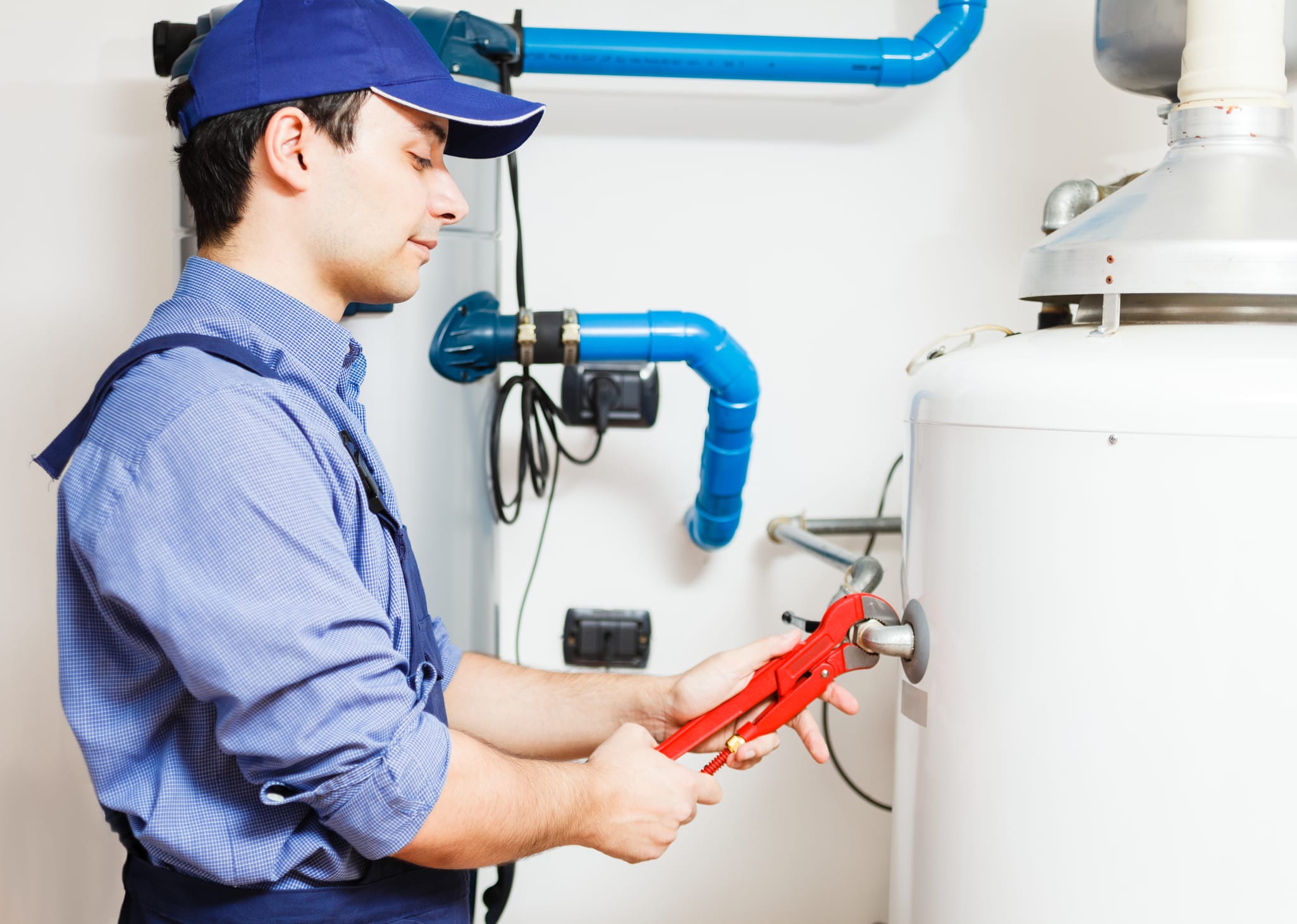
The Average Lifespan of Different Types of Water Heaters
Not all water heaters are built the same, and different designs have different expected lifespans.
Traditional storage tank water heaters generally provide reliable service for 8 to 12 years. These units constantly heat and store water, which causes wear on internal components over time. Tankless water heaters typically last much longer, often reaching 15 to 20 years or beyond because they heat water only when it's needed rather than storing it in a tank.
No matter which type you own, regular maintenance plays a significant role in determining how long the unit continues to operate efficiently.
What Causes a Water Heater to Fail?
Most water heaters don't suddenly stop working without warning. Instead, wear gradually builds until one or more components fail.
Several factors contribute to water heater failure, including:
- Age of the unit
- Sediment buildup inside the tank
- Hard water deposits
- Corrosion
- A failing heating element
- A worn thermostat
- Excessive water pressure
- Lack of routine maintenance
As these issues accumulate, the water heater has to work harder to provide the same amount of hot water, increasing the likelihood of a breakdown.
Sediment Is One of the Biggest Enemies of a Water Heater
Over time, minerals naturally found in water settle at the bottom of a storage tank. This sediment layer acts as insulation between the burner or heating element and the water itself, making the unit less efficient.
As the water heater works harder to heat water through the accumulated sediment, energy consumption increases, and additional stress is placed on internal components. Left unchecked, excessive buildup can eventually contribute to overheating, corrosion, or even tank failure.
This is one reason manufacturers often recommend periodically flushing a traditional water heater.
How to Help Your Water Heater Last Longer
While every water heater eventually reaches the end of its service life, proper maintenance can often extend its lifespan.
Simple maintenance practices include:
- Flushing the tank periodically to remove sediment
- Inspecting the pressure relief valve
- Checking for leaks around the unit
- Replacing the anode rod when needed
- Keeping the thermostat at an appropriate temperature
- Scheduling professional inspections if problems arise
These relatively small maintenance tasks can help improve efficiency while reducing unnecessary wear.
Common Warning Signs Your Water Heater Is Aging
An older water heater often provides clues that it's nearing the end of its lifespan.
You may notice inconsistent water temperatures, reduced hot water capacity, unusual noises such as popping or rumbling, visible rust around the tank, or small leaks developing near the base of the unit. Some homeowners also experience cloudy or rusty hot water as corrosion begins affecting the interior of the tank.
Recognizing these warning signs early gives you more time to plan for repairs or replacement before the unit fails completely.
Troubleshooting Common Water Heater Problems
Not every water heater issue means the entire unit needs to be replaced.
If you're suddenly without hot water, the problem could be something relatively minor, such as a tripped circuit breaker on an electric unit or a pilot light that has gone out on a gas model. In other cases, a faulty thermostat or heating element may simply need to be replaced.
However, recurring leaks, significant corrosion, or a cracked storage tank usually indicate that replacement is the better long-term solution.
Should You Repair or Replace Your Water Heater?
Deciding whether to repair or replace your water heater depends on several factors.
If the unit is relatively new and the repair is limited to a replaceable component, repairing it often makes financial sense. On the other hand, if the water heater is approaching the end of its expected lifespan and requires an expensive repair, replacing it with a newer, more energy-efficient model may provide better long-term value.
A licensed plumbing professional can help evaluate the condition of the unit and explain your options.
Understanding Water Heater Warranties
Most new water heaters include a manufacturer's warranty, but it's important to understand exactly what that warranty covers.
Manufacturer warranties generally protect against defects in materials or workmanship for a specified period of time. They typically do not cover damage caused by improper installation, neglected maintenance, freezing, or normal wear and tear after the warranty period expires.
Many homeowners also choose to supplement manufacturer protection with a home warranty, which may help cover eligible repairs to covered water heaters after the manufacturer's warranty has ended. Coverage varies by provider and plan, so reviewing your contract is always recommended.
Planning Ahead Can Save You Money
Waiting until your water heater completely fails often means making a rushed decision while your household is without hot water.
If your unit is already approaching 10 years old, paying attention to its performance allows you to budget for a future replacement before an emergency occurs. Planning ahead gives you time to compare models, evaluate energy efficiency, and schedule installation when it's most convenient.
Replacing a water heater on your schedule is often much less stressful than dealing with an unexpected failure.
Key Takeaways
- Traditional tank water heaters typically last 8 to 12 years.
- Tankless water heaters often last 15 to 20 years or longer.
- Sediment buildup is one of the leading causes of water heater failure.
- Routine maintenance can help extend the life of your water heater.
- Rust, leaks, inconsistent hot water, and unusual noises are common signs of an aging unit.
- Minor component failures can often be repaired, while leaking tanks usually require replacement.
- Understanding both manufacturer warranties and home warranty coverage can help you prepare for future repairs.
Frequently Asked Questions
Protect Your Las Vegas Home with Dwellness
Your water heater works every day to provide hot water for showers, laundry, cooking, and cleaning. While regular maintenance can help extend its lifespan, even the best-maintained units eventually experience normal wear and tear.
Dwellness helps Las Vegas homeowners protect important home systems, including eligible water heaters, with dependable home warranty coverage. Contact Dwellness today to learn more about our home warranty plans and discover how we can help you prepare for unexpected repairs while keeping your home running smoothly.