
How long do garage door openers last? Most garage door openers last approximately 10 to 15 years, although some can continue operating longer with proper maintenance and moderate use. How frequently you open and close the garage door, the condition of the door itself, the type of opener, maintenance habits, and the quality of the original installation can all affect its lifespan.
An opener that reaches 10 years old does not automatically need to be replaced. If it still operates reliably and safely, it may have years of service left. However, increasing repair needs, unusual noises, inconsistent operation, and outdated safety features can indicate that replacement is becoming a better option.
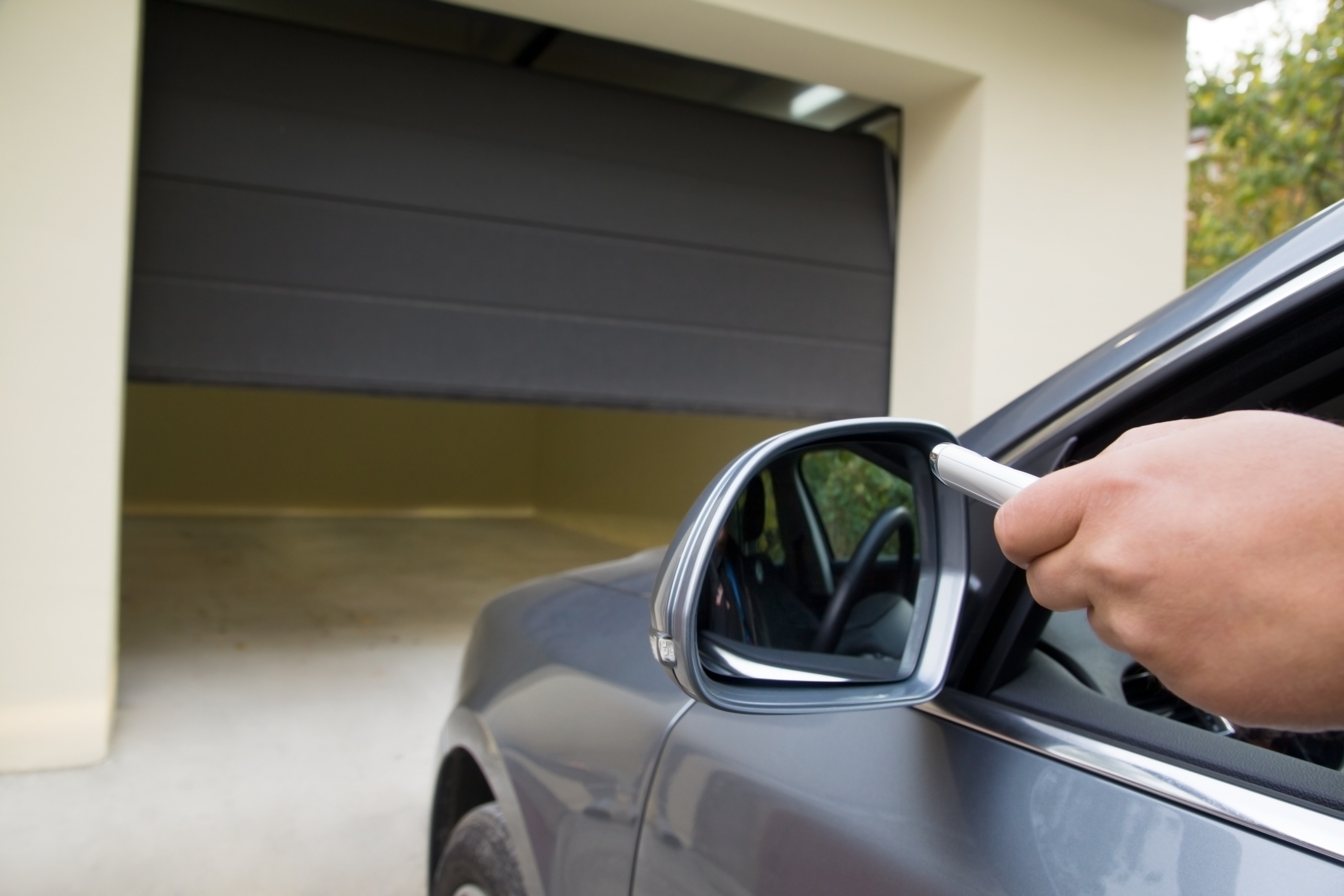
What Is the Average Lifespan of a Garage Door Opener?
A typical garage door opener can provide around 10 to 15 years of service. That estimate is only a general guideline because garage door openers experience very different amounts of use.
Consider a household that leaves for work every morning, returns in the evening, and frequently opens the garage for errands or activities. That opener could complete several cycles every day. A garage that is rarely used puts considerably less wear on its opener.
The opener itself is only part of the equation. A properly balanced and maintained garage door should move relatively easily. If damaged springs, rollers, tracks, or other door components make the door difficult to move, the opener may be forced to work harder each time it operates.
What Affects How Long a Garage Door Opener Lasts?
Two garage door openers installed on the same day could have very different lifespans depending on their operating conditions.
Frequency of Use
Every opening and closing cycle contributes to normal wear.
A garage door serving as a household's primary entrance may operate several times each day. Over the course of a decade, that can add up to thousands of cycles.
Frequent use does not mean your opener will fail prematurely, but heavily used equipment may experience wear sooner than a system that operates only occasionally.
Condition of the Garage Door
Your garage door opener is designed to move a properly functioning door, not compensate for mechanical problems with the door itself.
A poorly balanced door or problems involving springs, tracks, rollers, or hinges can place additional strain on the opener. Maintaining the entire garage door system can therefore help protect the opener.
Opener Type
Garage door openers use different drive systems. Common options include chain-drive, belt-drive, and screw-drive openers.
Each design has different characteristics related to noise, maintenance, price, and operation. The quality of the individual opener and how well it is maintained are often just as important to longevity as the drive type itself.
Maintenance
Small maintenance tasks can help prevent unnecessary strain and reveal problems before they worsen.
The owner's manual should be your primary guide because maintenance requirements vary by manufacturer and opener type. Some systems require periodic lubrication or other specific attention, while others require relatively little homeowner maintenance.
Signs Your Garage Door Opener May Need Replacement
Age alone is rarely enough to determine whether you need a new garage door opener. Pay more attention to how the system behaves.
Common warning signs include:
- The opener works inconsistently
- The garage door unexpectedly reverses
- Opening or closing has become unusually slow
- The opener makes new grinding, rattling, or straining noises
- The motor runs but the door does not move correctly
- Remotes or controls frequently fail despite troubleshooting
- The opener requires repeated repairs
- Safety features are malfunctioning
- Replacement parts are becoming difficult to find
Some of these symptoms can also be caused by the garage door rather than the opener. Professional diagnosis can help determine which part of the system actually needs attention.
Should You Repair or Replace a Garage Door Opener?
A relatively young opener with an isolated, inexpensive problem may be worth repairing. Replacement becomes more appealing as the equipment ages and repair costs accumulate.
Suppose your seven-year-old opener needs a straightforward repair and has otherwise worked reliably. Fixing it could allow you to get several more years of service.
Now consider a 15-year-old opener that has already needed multiple repairs and lacks features you would want in a new system. Putting additional money into that equipment may provide less value than replacing it.
When deciding, consider the opener's age, repair history, repair estimate, availability of parts, safety features, and the cost of an appropriate replacement.
When Should You Replace a Garage Door Opener?
You do not necessarily need to wait for complete failure.
Repeated breakdowns are one obvious reason to consider replacement, but outdated technology can matter as well. Modern garage door openers may offer features that were unavailable when an older unit was installed.
Depending on the model, newer openers can include smartphone controls, battery backup, integrated lighting, cameras, improved security features, or quieter operation.
Safety deserves particular attention. Modern automatic garage door openers use safety features intended to help prevent the door from closing on a person or object. If your opener's safety mechanisms are missing, damaged, or unreliable, have the system professionally evaluated.
Garage Door Opener Maintenance Tips
You cannot prevent normal wear indefinitely, but a little attention can help your opener operate under better conditions.
Test the Garage Door Regularly
Pay attention to changes in speed, sound, and movement whenever you use the door.
A garage door should move smoothly rather than jerk, bind, or strain. Sudden changes can indicate that something in the door or opener system needs attention.
Check the Safety Sensors
Photoelectric safety sensors are typically positioned near the bottom of the garage door tracks. They should be aligned, unobstructed, and functioning correctly.
Follow the manufacturer's instructions for testing your opener's safety features. If a safety system does not operate as intended, stop using the opener as appropriate and arrange for service.
Keep Tracks Clear
Inspect the area around the garage door tracks for visible debris or obstructions. Do not attempt to force bent or seriously damaged tracks back into position yourself.
If the door is binding or coming off its tracks, professional repair is appropriate.
Lubricate the Appropriate Components
Some garage door components require periodic lubrication, but that does not mean every moving part should be sprayed with a general-purpose lubricant.
Follow the garage door and opener manufacturers' recommendations regarding which components require lubrication and which product to use.
Have Problems Addressed Promptly
An opener that suddenly sounds strained may be telling you that another part of the garage door system is creating resistance.
Continuing to operate the door without identifying the problem could potentially put additional stress on the opener. Early diagnosis may prevent a relatively small issue from becoming a larger repair.
Don't Attempt to Repair Garage Door Springs Yourself
There is an important distinction between basic garage door opener maintenance and garage door repair.
Garage door springs are under significant tension. Attempting to adjust, remove, or replace them without the proper training and equipment can result in serious injury.
Cables and other components associated with the spring system can also present hazards. Leave spring, cable, and other high-tension repairs to qualified garage door professionals.
How Much Does It Cost to Replace a Garage Door Opener?
Garage door opener replacement costs vary based on the equipment and installation.
Basic openers are generally less expensive than premium models with features such as battery backup, smart controls, cameras, or exceptionally quiet belt-drive operation. Horsepower or lifting capacity and the size or configuration of the garage door can also affect which opener you need.
Your total cost may include the opener itself, professional installation, removal of the existing equipment, new controls or remotes, and modifications required for installation.
Before purchasing a replacement, make sure the opener is appropriately sized and designed for your garage door.
What Should You Look for in a New Garage Door Opener?
If your existing opener has reached the end of its useful life, think about what you want from the replacement before focusing on individual models.
Noise can be an important consideration when a garage is attached to the house or located beneath a bedroom. Belt-drive systems are often attractive to homeowners looking for quieter operation.
Battery backup can keep compatible openers operating during a power outage. Smart connectivity can let you monitor or control the garage door through an app, depending on the system.
Safety, reliability, warranty terms, installation requirements, and access to replacement parts should also factor into your decision.
Does a Home Warranty Cover Garage Door Openers?
A home warranty may cover eligible garage door opener breakdowns when the opener is included in the plan.
Home warranty coverage generally applies to qualifying failures caused by normal wear and tear rather than every problem involving the garage door. Coverage might apply to certain opener components while excluding the garage door itself, tracks, springs, or other hardware.
If your garage door opener stops working, review your service agreement before scheduling a non-emergency repair independently. The warranty provider may have a specific process you need to follow when requesting service.
Coverage limits, exclusions, service fees, and other contract terms can affect the amount of assistance available.
How Garage Door Openers Differ From Garage Doors
It is easy to talk about the garage door and opener as though they are a single appliance, but they are separate systems.
The opener provides the powered mechanism that moves the door. The door assembly includes components such as the panels, tracks, rollers, hinges, cables, and springs.
That distinction is particularly important when dealing with a home warranty. A plan that covers a garage door opener does not necessarily cover every component of the garage door assembly.
It also matters during repairs. What initially appears to be a failing opener could actually be a mechanical problem with the door.
Key Takeaways
Most garage door openers last approximately 10 to 15 years, but usage, maintenance, installation quality, and the condition of the garage door can all influence their actual lifespan.
You do not need to replace an opener simply because it reaches a certain age. Increasing repair frequency, inconsistent operation, excessive noise, unavailable replacement parts, or safety concerns are better indicators that it may be time for a new one.
Basic maintenance can help your system operate properly, but leave springs, cables, and other potentially dangerous repairs to qualified professionals. If you have a home warranty, check whether your garage door opener is covered before paying for an eligible repair yourself.
FAQs About Garage Door Openers
Protect More of Your Las Vegas Home With Dwellness
Your garage door opener may work reliably for a decade or longer, but normal wear can eventually lead to an unexpected breakdown. When that happens, having home warranty coverage in place can make an eligible repair easier to manage.
Dwellness helps Las Vegas homeowners protect covered home systems and appliances, including garage door openers when included under the applicable plan. With local experience serving Southern Nevada homeowners for more than 40 years, Dwellness provides protection designed with Las Vegas homes in mind.
Contact Dwellness today to learn more about home warranty coverage and prepare your Las Vegas home for the repairs that come with everyday wear and tear.