
How long are AC units under warranty? Most new air conditioning systems come with a manufacturer’s parts warranty lasting around 5 to 10 years, with 10-year coverage often requiring timely product registration. Other components may have different warranty periods, and labor is frequently covered separately by the HVAC contractor for a much shorter period, if it is included at all.
Because AC warranty terms vary by manufacturer, model, installer, and whether you register the equipment, checking your specific warranty documentation is the only way to know exactly how long your air conditioner is protected.
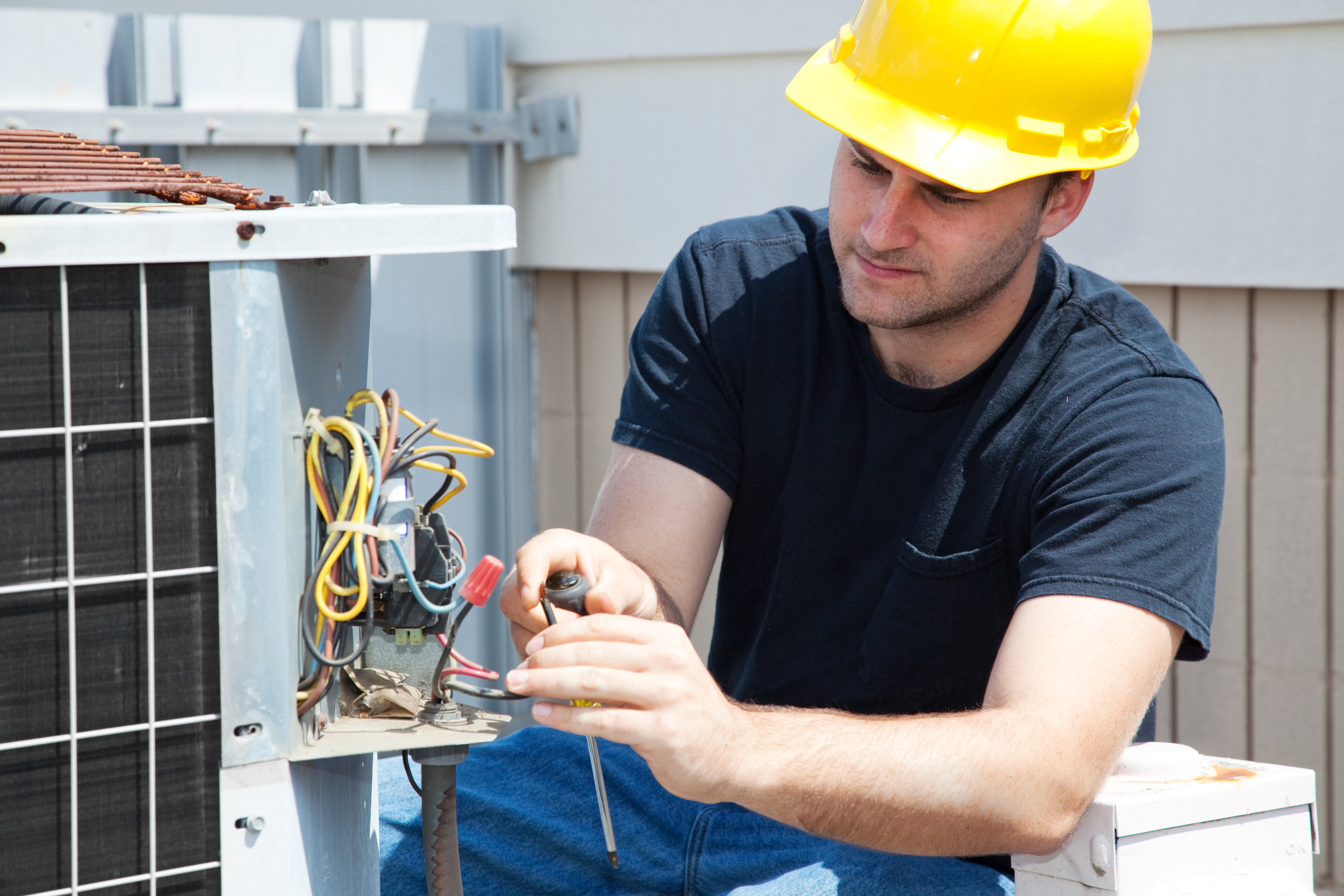
How Long Is a Standard AC Manufacturer Warranty?
When you purchase a new air conditioner, the manufacturer typically provides a limited warranty covering certain components if they fail because of a qualifying defect.
A common arrangement is approximately five years of limited parts coverage for unregistered equipment, with some manufacturers extending coverage to around 10 years when eligible equipment is properly registered within the required timeframe. However, this is not universal.
Certain major components may also receive different terms. For example, a compressor or heat exchanger may have a longer warranty than other components, depending on the manufacturer and model.
Before buying a new HVAC system, ask for the complete warranty terms rather than relying only on a statement such as "10-year warranty."
Parts Warranty vs. Labor Warranty
One of the most important things to understand about an AC warranty is the difference between parts and labor.
A manufacturer's parts warranty generally covers eligible replacement parts when a covered component fails during the warranty period. That does not necessarily mean the entire repair will be free.
Labor charges for diagnosing the problem, removing the failed component, and installing the replacement may be excluded from the manufacturer's warranty. Your HVAC installer may provide a separate labor warranty, but its length and terms can differ significantly from the manufacturer's parts coverage.
For example, you could potentially have a 10-year manufacturer's parts warranty but only a one- or two-year labor warranty from the installer. If a covered part fails in year six, the replacement part might qualify for warranty coverage while you remain responsible for labor and other applicable costs.
Do You Have to Register Your AC to Get the Full Warranty?
Registration can make a significant difference in AC warranty coverage.
Some manufacturers provide a shorter base warranty automatically and an extended limited warranty when eligible equipment is registered within a specified period after installation. Registration requirements and deadlines vary, so homeowners should not assume the installer has handled this step.
When a new AC system is installed, ask whether registration is required and who is responsible for completing it. Keep confirmation of registration along with the model number, serial number, installation paperwork, receipts, and warranty documents.
If you recently installed a system and are unsure whether it was registered, check with the manufacturer or installing HVAC company.
What Does an AC Warranty Typically Cover?
Manufacturer warranties generally focus on defects or failures involving covered equipment components. Depending on your system and warranty, covered parts might include the compressor, coils, motors, capacitors, control boards, and other internal components.
However, warranty coverage does not mean every reason an air conditioner stops working will qualify.
The warranty document should explain which components are included, how long each is covered, and the circumstances under which the manufacturer will provide a replacement part.
Remember that warranties are contracts. The actual terms of your warranty take precedence over general expectations about what an HVAC warranty "usually" covers.
What Isn't Covered by an AC Warranty?
Manufacturer warranties typically contain exclusions and limitations.
Depending on the terms, coverage may exclude problems related to:
- Improper installation
- Neglected maintenance
- Unauthorized repairs or modifications
- Damage caused by external events
- Improper use
- Certain consumable or maintenance items
- Corrosion or environmental conditions
- Problems unrelated to manufacturing defects
A manufacturer's warranty also should not be confused with homeowners insurance or a home warranty. Each form of protection serves a different purpose.
If your AC stops working, determining why it failed is an important part of determining which type of coverage may apply.
How Can You Avoid Voiding Your AC Warranty?
A 10-year warranty does not provide much value if you accidentally fail to meet its requirements.
Start by reading the warranty after installation rather than waiting until your air conditioner breaks. Pay particular attention to maintenance requirements, registration deadlines, approved replacement parts, and rules governing who can service the equipment.
Regular HVAC maintenance can be particularly important. Some manufacturers require evidence that equipment was properly maintained before honoring certain warranty claims.
Keep records of professional maintenance and repairs throughout the life of your system. Documentation can make it much easier to demonstrate that you followed the manufacturer's requirements if you eventually need warranty service.
Does DIY AC Repair Void the Warranty?
It can potentially create warranty problems, depending on what you do and the manufacturer's terms.
Basic homeowner maintenance, such as replacing an HVAC filter, is very different from opening equipment and attempting electrical, refrigerant, or mechanical repairs. Unauthorized modifications or improper repairs may affect warranty eligibility.
If your AC is still under warranty, contact an appropriately qualified HVAC professional before attempting significant repairs yourself. It is usually better to confirm the requirements first than discover after the fact that your repair affected your coverage.
What Happens to the Warranty When You Sell Your Home?
AC warranty transfer rules vary significantly.
Some manufacturer warranties can transfer to a subsequent homeowner, while others may provide reduced coverage after transfer or require specific paperwork within a certain period. Some enhanced warranty benefits may apply only to the original purchaser.
If you're buying a home with a relatively new HVAC system, ask the seller for the installation and warranty documents. Then verify the transfer requirements directly with the manufacturer.
Likewise, if you're selling your home, understanding whether the HVAC warranty is transferable can help you provide accurate information to potential buyers.
Are Extended AC Warranties Worth It?
Some manufacturers, HVAC companies, retailers, or third-party providers offer optional extended protection.
An extended warranty may increase the length of parts coverage, add labor protection, or provide other benefits beyond the standard warranty. Whether it is worthwhile depends on the price, coverage, exclusions, existing manufacturer warranty, and how long you expect to own the equipment.
Pay particular attention to whether an "extended warranty" actually adds meaningful coverage or simply overlaps with protection you already have.
Also consider what happens after the warranty expires. An air conditioner may remain in service for many years beyond its original manufacturer protection, which is where other forms of home repair planning can become useful.
How Do You File an AC Warranty Claim?
If your air conditioner stops working during the warranty period, your first step is generally to contact the installing HVAC contractor or another appropriately qualified service provider.
A technician will need to diagnose the problem and determine whether a covered component has failed. The service provider may then work with the manufacturer to verify warranty eligibility and obtain the replacement part.
Be prepared to provide information such as your:
- AC model number
- Serial number
- Installation date
- Proof of purchase
- Warranty registration
- Maintenance records
Even if the part is covered, ask about diagnostic charges, labor costs, refrigerant, shipping, and other expenses that may not be included in the manufacturer's warranty.
Manufacturer Warranty vs. Home Warranty
A manufacturer's warranty and a home warranty can sometimes provide protection at different stages of your AC system's life.
Manufacturer warranties generally cover qualifying defects in specified equipment components during the original warranty period. They are not typically designed to cover every breakdown associated with normal aging and wear.
A home warranty, on the other hand, may provide protection for eligible breakdowns caused by normal wear and tear, subject to its coverage limits, exclusions, service fees, and other terms.
That distinction can become increasingly important as your AC gets older. Manufacturer protection eventually expires, but the need for cooling certainly does not.
Why AC Warranty Coverage Matters in Las Vegas
AC warranty protection is worth understanding anywhere, but it takes on particular importance in Las Vegas.
Air conditioners in Southern Nevada face long cooling seasons and extensive use. A system can run hard for months, which makes both proper maintenance and repair planning especially important.
Knowing when your manufacturer's warranty ends gives you time to plan for the years that follow. Instead of discovering your coverage expired only after a major breakdown, you can understand your options ahead of time.
Key Takeaways
Most new AC units have a manufacturer's parts warranty lasting approximately 5 to 10 years, although the exact period depends on the brand, model, registration status, and warranty terms. Some components may have longer coverage, while labor may have a much shorter separate warranty.
Register your new system when required, follow manufacturer maintenance requirements, and keep records of installation, service, and repairs. Before authorizing a repair, determine whether your equipment is still under warranty and which costs are actually covered.
Finally, remember that manufacturer warranties eventually expire. Understanding how manufacturer coverage differs from a home warranty can help you prepare for AC repair costs throughout more of your system's lifespan.
FAQs About AC Warranties
Keep Your Las Vegas AC Protected With Dwellness
Knowing how long AC units are under warranty can help you avoid paying for a covered repair and prepare for the day your manufacturer's protection expires. In Las Vegas, where your air conditioner works hard through months of desert heat, having a plan for unexpected HVAC problems is especially important.
Dwellness helps Las Vegas homeowners protect covered HVAC systems against eligible breakdowns caused by normal wear and tear. Dwellness Premium also includes a complimentary annual HVAC tune-up, giving homeowners an opportunity to stay proactive about one of the most important systems in their homes.
Contact Dwellness today to learn more about home warranty coverage and how we can help protect your Las Vegas home long after the original AC warranty runs out.