
Generally, no. Most home warranty plans do not cover termites, termite damage, or termite treatment because infestations are considered preventable maintenance issues rather than unexpected mechanical failures. Home warranties are designed to cover eligible home systems and appliances that fail due to normal wear and tear, while termite prevention and treatment are typically handled through pest control companies or separate termite protection plans.
If you’re worried about termites damaging your home, it’s important to understand what your home warranty is designed to protect, what is usually excluded, and what steps you can take to reduce your risk.
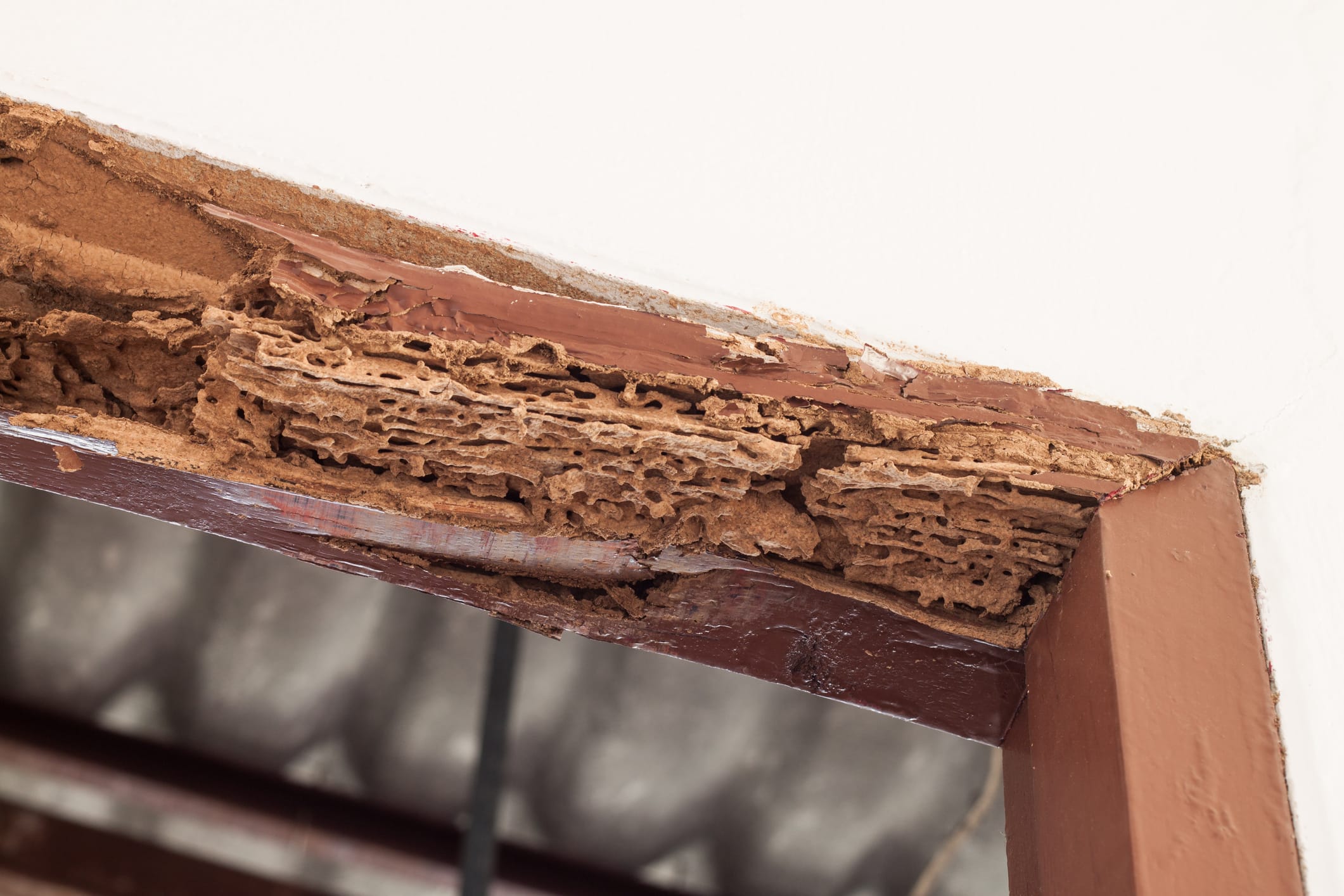
Why Home Warranties Typically Don't Cover Termites
A home warranty exists to help homeowners manage the cost of repairing or replacing covered systems and appliances when they break down from everyday use. Your air conditioner, water heater, plumbing system, or dishwasher may eventually fail simply because parts wear out over time. Those are the types of issues home warranties are generally intended to address.
Termites are different. An infestation develops gradually, often over several months or even years. Because the damage is progressive and can often be minimized through inspections and preventative maintenance, termite treatment and termite-related repairs are almost always excluded from standard home warranty coverage.
That doesn't mean termite protection isn't important. It simply means it's usually addressed through a different type of service than a home warranty.
What Home Warranties Are Designed to Protect
Although termites usually aren't covered, home warranties can still provide valuable protection for many of the expensive systems homeowners rely on every day.
Depending on your plan, coverage may include:
- HVAC systems
- Plumbing systems
- Electrical systems
- Water heaters
- Kitchen appliances
- Laundry appliances
- Garage door openers
- Other covered home systems and appliances
Coverage varies by provider, so it's always worth reviewing your contract to understand exactly what's included.
Why Termite Damage Is Usually Excluded
Home warranty companies generally separate sudden mechanical failures from ongoing maintenance issues.
For example, if your furnace unexpectedly stops working because of a worn component, that may qualify as a covered repair. But if termites slowly weaken a wooden support beam over several years, that's considered preventable damage rather than an unexpected equipment failure.
This same reasoning applies to many other common exclusions, including pest infestations, structural deterioration, cosmetic damage, and problems caused by neglect. These situations usually require regular inspections and maintenance rather than repairs to covered mechanical systems.
How to Tell If You May Have Termites
One of the best ways to reduce repair costs is catching an infestation early. While termites often stay hidden, they usually leave behind warning signs if you know what to look for.
Some common indicators include:
- Mud tubes along foundation walls
- Hollow-sounding wood
- Discarded wings near windows or doors
- Peeling or bubbling paint
- Doors and windows that suddenly stick
- Soft or sagging flooring
- Small holes or tunnels in exposed wood
If you notice any of these signs, it's best to contact a licensed pest control professional as soon as possible.
Are There Any Home Warranty Plans That Include Pest Coverage?
Some home warranty providers offer optional pest control services, but that doesn't necessarily mean termite treatment is included.
Certain plans may help with common household pests through optional add-ons, while termite inspections, treatment, and structural repairs remain separate services. If termites are a concern where you live, it's worth asking whether the provider offers any supplemental pest protection or partners with pest control companies.
Reading the service agreement carefully before purchasing coverage can help you avoid surprises later.
Home Warranty vs. Termite Warranty
Many homeowners assume a termite warranty and a home warranty are interchangeable, but they serve very different purposes.
A home warranty focuses on covered appliances and home systems that experience mechanical failures from normal wear and tear. A termite warranty, on the other hand, is usually offered by a pest control company after treatment has been completed. It often includes periodic inspections and retreatment if termites return during the warranty period.
For homeowners in areas where termites are common, having both types of protection may provide greater peace of mind.
Preventing Termites Is Often the Best Protection
Because termites are rarely covered by either a home warranty or homeowners insurance, prevention becomes especially important.
Simple maintenance practices can significantly reduce your risk. Keeping moisture away from your foundation, repairing plumbing leaks quickly, trimming vegetation away from your home, and scheduling regular termite inspections all help make your property less attractive to termites.
Even something as simple as storing firewood away from your home's exterior can reduce opportunities for an infestation. While no prevention strategy can eliminate the risk entirely, consistent maintenance is usually far less expensive than repairing structural damage later.
How Much Can Termite Damage Cost?
Many homeowners don't realize how expensive termite damage can become until repairs are needed.
Professional termite treatment alone can cost hundreds or even thousands of dollars depending on the size of the infestation. If termites have damaged framing, flooring, drywall, cabinetry, or other structural components, repair costs can increase substantially.
Because these expenses are generally not covered by a standard home warranty, early detection and routine inspections remain some of the smartest investments homeowners can make.
What About Homeowners Insurance?
It's also common to wonder whether homeowners insurance will step in if termites aren't covered by a home warranty.
In most cases, the answer is also no. Homeowners insurance generally covers sudden and accidental events like fires, wind damage, or certain plumbing leaks. Since termite damage develops gradually and is considered preventable through routine maintenance, it is typically excluded from insurance policies as well.
Understanding the differences between home warranties, homeowners insurance, and termite protection helps homeowners build a more complete plan for protecting their investment.
Key Takeaways
- Most home warranty plans do not cover termites or termite damage.
- Termite infestations are generally considered maintenance issues rather than covered mechanical failures.
- Home warranties primarily protect covered home systems and appliances that fail from normal wear and tear.
- Some providers offer optional pest control services, but termite coverage is usually separate.
- Regular inspections and preventative maintenance are the best defense against costly termite damage.
- Homeowners insurance also typically excludes termite damage.
- Combining a home warranty with proactive home maintenance provides broader protection for your home.
Frequently Asked Questions
Protect Your Las Vegas Home with Dwellness
While most home warranty plans don't cover termites, they can still help protect you from many of the unexpected repairs that come with homeownership. From your HVAC system and plumbing to major appliances, Dwellness helps Las Vegas homeowners prepare for the breakdowns that are far more likely to happen over the life of a home.
If you're looking for dependable home warranty coverage in Las Vegas, contact Dwellness today. We'll help you find the right plan to protect your home's essential systems and appliances, giving you greater confidence when the unexpected happens.