
Does a home warranty cover electrical panel replacement? Yes, some home warranty plans may cover the repair or replacement of an electrical panel when it fails due to normal wear and tear and the home’s electrical system is included in the plan. However, coverage varies significantly by provider. Electrical panels, circuit breakers, wiring, and related components may be subject to exclusions, coverage limits, service fees, and other terms, so homeowners should always check their specific service agreement.
Electrical repairs can become complicated quickly, especially when the problem involves the panel responsible for distributing electricity throughout your home. Understanding your home warranty coverage before an electrical problem occurs can make it easier to know what to do when something goes wrong.
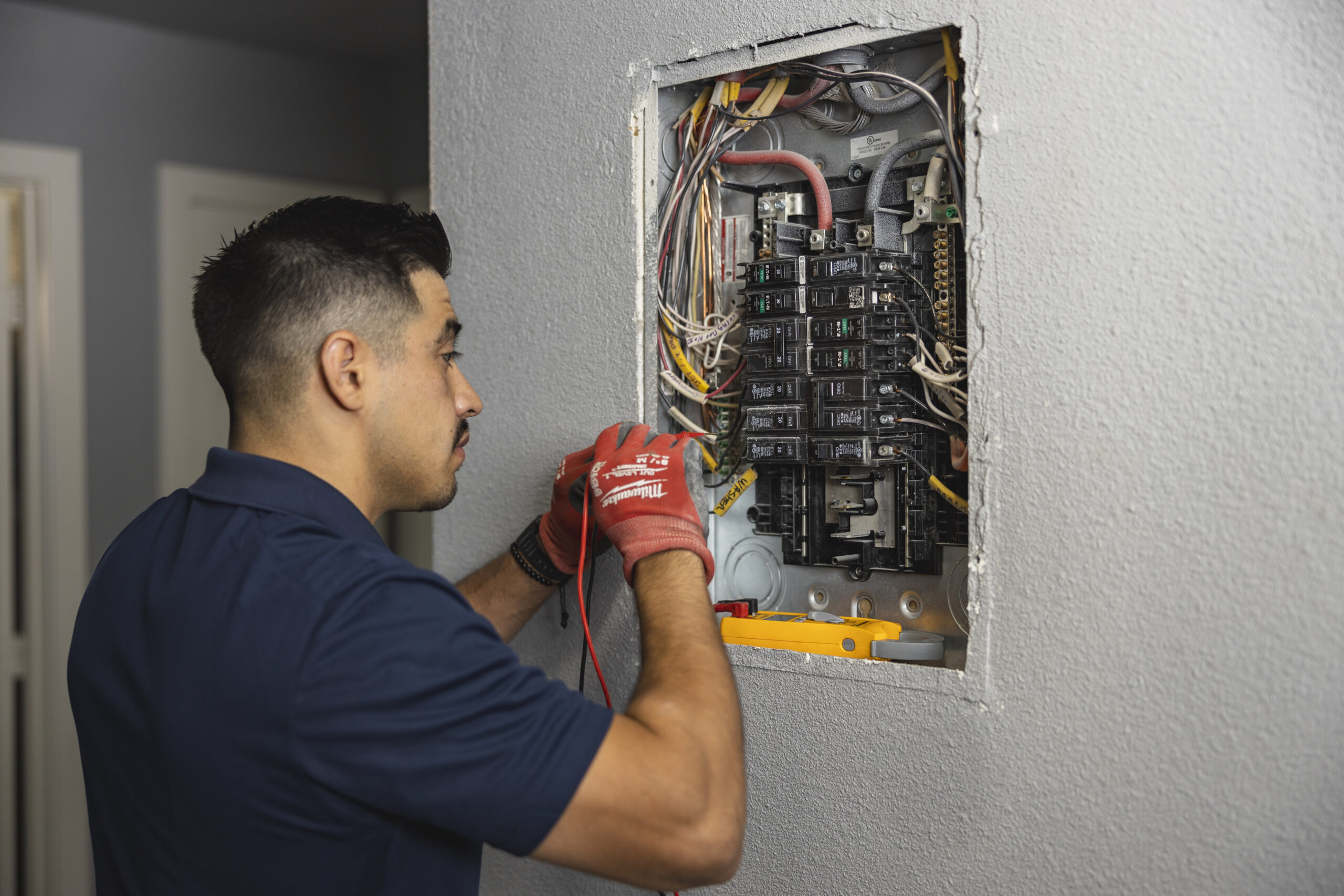
When Does a Home Warranty Cover Electrical Panel Replacement?
Home warranties are generally designed to help with eligible breakdowns of covered home systems and appliances caused by normal wear and tear. If your plan includes electrical system coverage and your electrical panel experiences a qualifying failure, the warranty provider may arrange for diagnosis and determine whether repair or replacement is appropriate.
Replacement is not necessarily automatic. If a covered electrical panel can be repaired, the warranty provider may authorize a repair instead.
If replacement is necessary, the amount covered will depend on your service agreement. Coverage limits, excluded components, required modifications, and other contract provisions can affect how much you ultimately pay.
What Parts of an Electrical System Can a Home Warranty Cover?
Electrical coverage can extend beyond the main electrical panel. Depending on the home warranty plan, eligible components may include parts of the home's permanently installed electrical system, such as:
- Electrical panels
- Circuit breakers
- Interior electrical wiring
- Electrical outlets
- Wall switches
- Junction boxes
- Built-in electrical components
- Certain permanently installed fixtures
Exactly where coverage begins and ends varies by provider. For example, one plan may cover electrical panels and breakers while excluding certain wiring or specialty equipment.
Do not assume that having "electrical coverage" means every electrically powered item in the house is included. Appliances and individual home systems may have their own coverage categories.
What Can Cause an Electrical Panel to Need Replacement?
Electrical panels are designed for long-term use, but components can deteriorate as they age.
A panel may eventually experience problems with breakers, internal connections, corrosion, overheating, or other components. In some situations, individual components can be repaired or replaced without replacing the entire panel.
There are also reasons homeowners replace electrical panels that have nothing to do with a covered breakdown. You might want additional electrical capacity for a renovation, for example, or decide to upgrade an older panel to accommodate changes to your home.
That distinction is important when determining home warranty coverage. A home warranty generally focuses on qualifying failures rather than elective improvements.
When Might Electrical Panel Replacement Not Be Covered?
Even when a home warranty includes electrical systems, not every electrical panel replacement will qualify.
Common reasons a claim might be excluded can include:
- Pre-existing conditions as defined by the contract
- Improper installation or modifications
- Damage caused by an excluded external event
- Code upgrades or modifications beyond covered repair work
- Insufficient maintenance
- Problems involving excluded components
- Cosmetic issues that do not affect operation
- Elective upgrades or capacity increases
For example, replacing a functioning panel because you want to upgrade your home's electrical capacity is different from replacing one because a covered component has failed through normal wear and tear.
Home warranty contracts can also establish dollar limits for electrical repairs or replacements. If the total project exceeds the applicable coverage limit, the homeowner may be responsible for the difference.
Are Electrical Code Upgrades Covered?
This is an important question because electrical panel replacement can sometimes involve more than simply removing one panel and installing another.
Building codes change over time. If an older home's electrical panel needs replacement, completing the project may require additional work to satisfy current electrical codes.
Whether those modifications are covered depends on the home warranty plan. Some contracts may provide limited assistance for certain code-related costs, while others exclude upgrades or modifications required to bring equipment into compliance.
Before approving additional work, ask which costs are covered by the warranty and which will be your responsibility.
Home Warranty vs. Homeowners Insurance for Electrical Panels
Home warranties and homeowners insurance can both provide financial protection for your home, but they address different types of problems.
A home warranty generally helps with eligible breakdowns involving covered systems and appliances due to normal wear and tear. Homeowners insurance generally addresses covered losses caused by events identified in the insurance policy.
Suppose an electrical panel experiences a covered mechanical or electrical failure after years of normal use. That may be the type of situation in which home warranty coverage could apply.
Damage caused by a covered external event would instead generally be evaluated under the applicable homeowners insurance policy.
Having homeowners insurance does not necessarily eliminate the value of home warranty electrical coverage because the two products are designed for different circumstances.
How to File a Home Warranty Claim for an Electrical Problem
If you believe your electrical panel or another covered electrical component has failed, contact your home warranty provider before independently hiring someone to complete the repair.
The typical process begins by submitting a service request and describing the problem. The warranty company can then arrange for an appropriate service professional to diagnose the issue.
After diagnosis, the provider determines whether the failure qualifies under your plan and what repair or replacement is authorized.
Avoid beginning major electrical repairs before contacting the warranty company unless an immediate safety situation requires emergency action. Home warranty contracts may contain specific procedures for obtaining authorization, and work completed outside that process might not qualify for reimbursement.
What Happens During an Electrical Home Warranty Claim?
Once a service request is submitted, a qualified electrical professional will typically need to identify the source of the problem.
That distinction matters because a symptom does not necessarily reveal which component has failed. Flickering lights, frequently tripped breakers, or power loss could have several possible causes.
If the problem involves a covered component and qualifies under the plan, the provider can determine the appropriate next step based on the diagnosis and service agreement.
Homeowners should ask about any applicable service fee, coverage limit, excluded work, or out-of-pocket expense before proceeding with an extensive repair.
Benefits of Home Warranty Electrical Coverage
Electrical systems are essential to virtually everything you do at home. When something goes wrong, postponing a necessary repair may not be practical.
Home warranty coverage can help make qualifying electrical repairs more manageable by giving homeowners an established process for requesting service. Instead of beginning from scratch when a covered system fails, you can contact the warranty provider and start the claims process.
Coverage may also reduce the financial impact of eligible repairs or replacements. This can be particularly valuable for homeowners trying to prepare for the unpredictable costs associated with aging home systems.
How to Compare Home Warranty Electrical Coverage
If electrical protection is important to you, do not compare home warranties based only on whether a plan places a checkmark next to "electrical system."
Look deeper into what that coverage actually includes.
Check whether the plan specifically addresses electrical panels, breakers, wiring, outlets, switches, and other components that matter to you. Then review the applicable coverage limits, service fees, exclusions, waiting periods, and repair or replacement provisions.
You should also determine how the company handles older systems and code-related modifications. If you own an older Las Vegas home, those details may be especially relevant when evaluating electrical coverage.
Questions to Ask Before Choosing a Home Warranty
Before purchasing a plan, consider asking:
- Is the main electrical panel covered?
- Are circuit breakers covered?
- Does coverage include interior wiring, outlets, and switches?
- What is the electrical system coverage limit?
- Are code upgrades covered?
- Are there exclusions for particular panel types or conditions?
- What service fee applies?
- Who determines whether equipment is repaired or replaced?
- What happens if replacement costs exceed the coverage limit?
- What is the procedure for emergency electrical problems?
Getting these answers before you need service can prevent surprises during a claim.
Know When an Electrical Problem Is an Emergency
Home warranty coverage should never take priority over immediate electrical safety.
Burning smells, smoke, visible sparking, buzzing or sizzling from the electrical panel, scorch marks, or an unusually hot panel can indicate a potentially serious problem. If you suspect an electrical fire or another immediate danger, follow appropriate emergency procedures and contact qualified emergency or electrical professionals.
Do not open an electrical panel or attempt DIY repairs to internal components. Electrical panel work should be handled by a qualified electrician.
Once the immediate safety concern has been addressed, you can work with your home warranty provider to determine whether eligible repairs are covered under your plan.
Key Takeaways
A home warranty may cover electrical panel replacement when electrical systems are included in the plan and the panel experiences a qualifying breakdown due to normal wear and tear. The provider may repair the panel when possible or authorize replacement when necessary, subject to the contract.
Coverage varies considerably, particularly when a project involves code upgrades, modifications, excluded components, or costs beyond the plan's coverage limits. Review those details before purchasing a home warranty rather than relying on a general promise of "electrical coverage."
If you already have a warranty and experience an electrical problem, contact the provider before arranging non-emergency repairs. Following the required claims process can help you avoid unintentionally affecting your eligibility for coverage.
FAQs About Home Warranty Electrical Coverage
Protect Your Las Vegas Home's Electrical System With Dwellness
Your electrical system works behind the scenes every day, and a problem with the panel, wiring, outlets, or another component can quickly disrupt your home. Having appropriate home warranty protection can help make eligible electrical repairs easier to manage when normal wear and tear leads to a covered breakdown.
Dwellness offers Las Vegas homeowners home warranty options that can help protect covered electrical components along with other major home systems and appliances. Contact Dwellness today to explore coverage for your Las Vegas home and understand exactly what your plan can protect.