
The hamper is full, the drum is sitting in three inches of dirty water, and nobody in the house has clean work clothes for tomorrow. A broken washer is not a problem you can put off for a week. It is a problem you feel by Tuesday. And the first thing most homeowners want to know, before they even pick up the phone, is what the washing machine repair price is going to be.
That number is hard to pin down because the part that failed drives most of the bill. A lid switch and a drive motor are both “washer repairs,” and they are not close in cost. Add the diagnostic fee, the technician’s labor, and the age of your machine, and the range gets wide fast.
Keep reading to see typical costs broken out by repair type, what a technician charges for labor, and the factors that push your bill up or down. You will also see how appliance coverage changes the math for the next breakdown. The dollar figures below are national benchmarks, meant to help you judge the quotes you get from Las Vegas technicians.
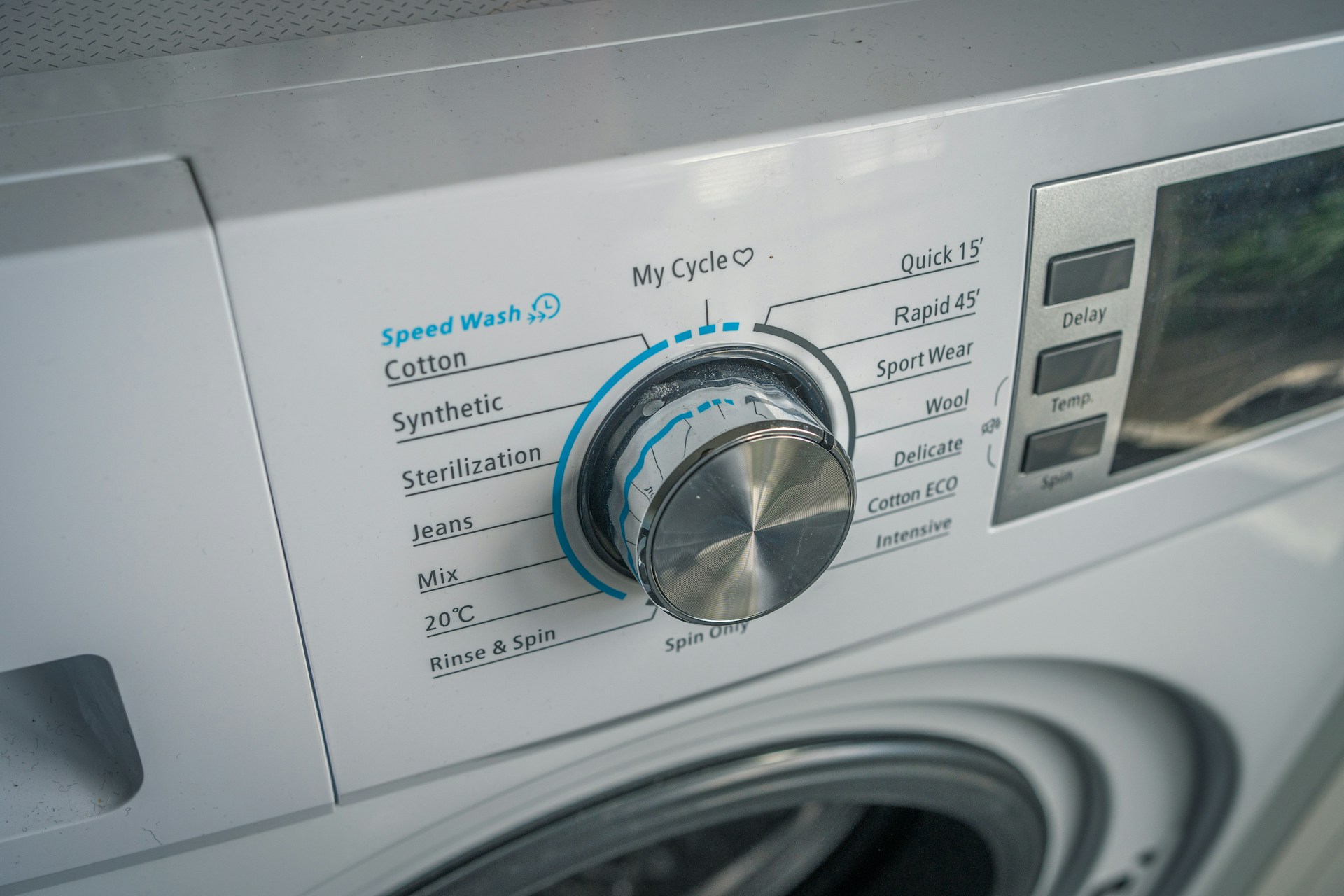
What a Typical Washer Fix Costs
Most washer repairs land between $150 and $400, with a national average around $300, according to national washing machine repair cost data. Simple jobs start near $85. Big ones climb toward $575. These are national benchmark ranges, not Las Vegas market prices, so use them to check whether a local quote is in a reasonable range.
That spread exists because "repair" covers everything from tightening a hose clamp to pulling the drum. Two homes on the same street can pay wildly different amounts for the same symptom. One local note: many Las Vegas homes keep the washer in the garage, where summer heat can be hard on rubber hoses and seals, so ask the technician to check them during the visit.
National Cost Ranges and What They Include
The figures above are national averages, and they include both parts and labor in one number. That matters when you compare quotes, because some shops quote parts and labor separately.
A quoted price should also tell you whether the diagnostic visit is folded in. Many technicians apply the trip charge toward the repair if you approve the work.
Machine type moves the number too. Repairs on a top loader average $150 to $275, while front-load repairs run $200 to $350 and integrated units reach $250 to $450.
What Determines Washing Machine Repair Price?
Four things set your price: the failed part, the labor hours, your machine's design, and how easy it is to reach. Parts cost is the biggest single driver.
Access is the factor homeowners forget. A washer wedged into a hall closet or stacked under a dryer takes longer to open up, and labor is billed by time.
Age plays in as well. Older machines sometimes need a second part once the technician is inside, and discontinued components take longer to source.
Low-Cost Fixes vs. Major Mechanical Repairs
Small repairs cluster in the $75 to $200 range. That covers drain hoses, lid switches, agitator issues, and cycle timer problems.
Major mechanical work is a different tier. Motor repair or replacement runs $250 to $700 nationally, and an agitator replacement can reach $575.
Knowing which tier you are in changes the decision. So the next question is what your specific symptom points to.
Common Washer Repairs and Their Expected Costs
Here is what the most frequent failures cost nationally, parts and labor included. Match your symptom to the part, and you will have a realistic number before the technician arrives.
Drain Pump and Pump Replacement
Pump replacement runs $150 to $400. You are dealing with the pump if water sits in the tub after a cycle ends, or the machine hums during drain without moving water.
A failing pump is worth addressing quickly. Standing water finds its way to the floor, and floor damage costs more than the pump did.
If the machine will not drain at all, expect the broader repair to land in the $150 to $300 range.
Lid Switch, Hoses, and Door-Seal Repairs
These are the cheapest common fixes. A lid switch or coupling repair starts around $85, and a drain hose swap runs roughly $95 to $170.
Door seals are the outlier in this group. A front-load gasket replacement ranges from $120 to $500, because the seal itself is expensive and the door assembly has to come apart.
A leaking washer, from any of these sources, averages $75 to $200 to stop.
Control Board Repair and Replacement
Control board work costs $200 to $500. The board runs your cycles, so a bad one shows up as a machine that stops mid-wash, throws error codes, or will not start.
Boards fail less often than pumps or belts, but they cost more when they do. Some technicians can repair a board, and others only replace it.
On a machine past the ten-year mark, a control board quote is the moment to price a new washer.
Washing Machine Motor Replacement
Washing machine motor replacement costs $250 to $700, the priciest common repair on the list. Warning signs include a drum that will not turn, a burning smell, or loud grinding under load.
Motor failure usually shows up in older machines or ones that have handled heavy loads for years. It is not a first-year problem.
At the top of that range, a motor repair approaches half the price of a mid-tier new washer.
Transmission and Drum Bearing Repairs
Transmission replacement sits near the $300 average homeowners pay for that repair. It is a labor-heavy job because the technician has to open the cabinet and lift the tub.
Drum bearings announce themselves with loud banging on the spin cycle, a fix that runs $100 to $200 when bearings or shock absorbers are the cause. Heavy loads wear bearings out faster.
Both repairs get expensive on the labor side, which raises a fair question about what that labor actually costs.
What Does a Washer Repairman Cost?
Labor is billed separately from parts, and it runs $50 to $150 per hour nationally for appliance repair technicians. On top of that, most pros charge a diagnostic fee to come out.
Diagnostic Fees and Call-Out Charges
Diagnostic fees range from $50 to $100. Many technicians waive that charge or credit it toward the total if you approve the repair on the spot.
Some shops also set a minimum service fee, often $75 to $100. That covers the trip even if the fix takes ten minutes.
Ask two things when you book: what the diagnostic costs, and whether it applies to the repair. The answers change your total by real money.
Hourly Labor Rates and Typical Repair Times
Most washer repairs take one to three hours. Quick jobs like unclogging a pump or swapping a hose finish in about an hour.
Moderate work, such as a door seal or a drainage fault, runs one to two hours. Motor, drum, and control board jobs take two to three hours.
Multiply those hours against the hourly rate and you can sanity-check any quote you are handed. If the labor line looks far outside that window, ask what is taking the extra time.
Why Emergency and Same-Day Service Costs More
After-hours and weekend calls carry a premium. Emergency call-outs are billed 20 to 50 percent above standard rates in the evenings, on weekends, and on holidays.
That premium is worth paying when water is actively leaking onto a floor. It is rarely worth paying for a machine that simply will not start.
Rates also climb in metro areas where demand and overhead are higher. Beyond timing, several features of your machine itself will move the final number.
What Can Raise or Lower Your Repair Bill?
Your washer's design, age, and location in the house can swing the bill by hundreds of dollars on the same failed part. So can brand.
Washer Type, Age, and Access to the Appliance
Top loaders are the cheapest to service, averaging $150 to $275, because the mechanism is simpler and easier to reach.
Placement adds labor. A washer in a tight second-floor laundry closet, or one installed behind cabinet doors, takes longer to pull, service, and reset.
Age cuts both ways. A five-year-old machine is usually worth fixing, while a twelve-year-old one may need a second repair within the year.
Front-Load and High-Efficiency Washer Considerations
Front-load repairs average $200 to $350, and high-efficiency models run $150 to $400. The extra electronics and tighter tolerances are what you are paying for.
Front-loaders also have a failure point top loaders do not: the door gasket. That seal traps water, lint, and detergent residue, and replacing it can reach $500.
Smart washers sit at the top of the range, $200 to $600, because diagnosis often requires brand-specific tools.
Brand, Model, and Replacement-Part Availability
Brand drives part cost more than most people expect. A GE washer repair averages $125 to $400, while a Bosch repair runs $300 to $525 and a Speed Queen $325 to $600.
Widely sold brands have widely stocked parts, which shortens both the wait and the markup. On a GE washing machine repair, a shock absorber fix runs about $150 and an agitator around $350.
Discontinued models are the problem case. When a part is scarce, sourcing time turns into labor time.
When Repair Makes More Sense Than Replacement
The common rule of thumb: if the repair costs more than 50 percent of a comparable new machine, replace it. A new washer starts around $500 to $1,200.
Age belongs in that math. InterNACHI's life expectancy chart puts washing machines at 5 to 15 years, so a seven-year-old unit with a $200 repair is an easy yes.
A ten-year-old machine needing a $600 motor is an easy no. The harder cases fall in between, which is where knowing your coverage helps.
How Appliance Coverage Can Help With Future Breakdowns
A home warranty turns unpredictable repair bills into a predictable plan cost plus a set service fee. It changes the math on the next breakdown, not the one already sitting in your laundry room.
How Home Warranty Washer Repair Coverage Works
Clothes washer coverage is included on the Enhanced and Premium plans, and it applies to eligible breakdowns caused by normal wear and tear. Coverage is subject to your service call fee, coverage limits, and exclusions, as spelled out in your service contract. Coverage must be active before a breakdown qualifies, and when it starts can depend on how and when the plan is purchased.
Instead of calling around for a technician, you submit a service request and a qualified provider gets dispatched to you. That removes the research step most homeowners dread.
The Essential plan focuses on core systems and kitchen appliances, so compare the tiers on the home warranty plans page before you pick one.
Costs That May Still Apply Under a Service Contract
A plan does not eliminate every out-of-pocket cost. You still pay the service call fee for each visit, and any repair falling outside your coverage limits or exclusions stays your responsibility.
Items damaged by misuse, or failures unrelated to normal wear and tear, are not covered. Your contract spells out where those lines fall.
Pre-existing breakdowns are not covered either. A plan bought this week will not pay for the washer that quit last week.
What to Do If You Already Have a Dwellness Plan
If you are already covered, file a claim rather than calling an outside repair shop. Submit the request, pay the service fee, and a provider gets assigned.
Your assigned provider reaches out within two to three hours to schedule. Over 97% of claims are approved, and more than 85% of those get resolved on the first visit.
Existing customers can call (702) 641-8888 any time, or reach a representative through the contact page. Knowing that path exists is what makes the next repair bill manageable.
Plan Ahead for the Next Washer Repair Bill
A washer repair in the $150 to $400 national range is survivable. What strains a household budget is three of those bills landing in the same year, across the washer, the water heater, and the air conditioner.
That is the case for deciding on coverage before something breaks. Appliance and home system protection turns a wide range of possible bills into one plan payment plus a known service fee, with a local account manager handling the logistics. Our 24-hour call center connects you to a real person within two minutes, and we have served Las Vegas homeowners since 1986.
Get a free quote and see what a plan covers before the next repair bill shows up. Call (702) 509-7007 or explore coverage for homeowners across Nevada and the full range of home warranty services.