
The microwave replacement cost can range from around $100 for a basic countertop model to $1,000 or more for a higher-end built-in microwave, with installation adding to the total for models that require mounting, cabinetry work, electrical changes, or ventilation. For many homeowners replacing an over-the-range or built-in microwave, the total project can fall somewhere between a few hundred dollars and more than $1,000.
The microwave itself is only one part of the price. Microwave type, features, installation requirements, labor, removal of the old appliance, and modifications to your kitchen can all affect what you ultimately spend.
Before buying a replacement, it helps to understand exactly what you’re paying for and whether repairing your current microwave might still make sense.
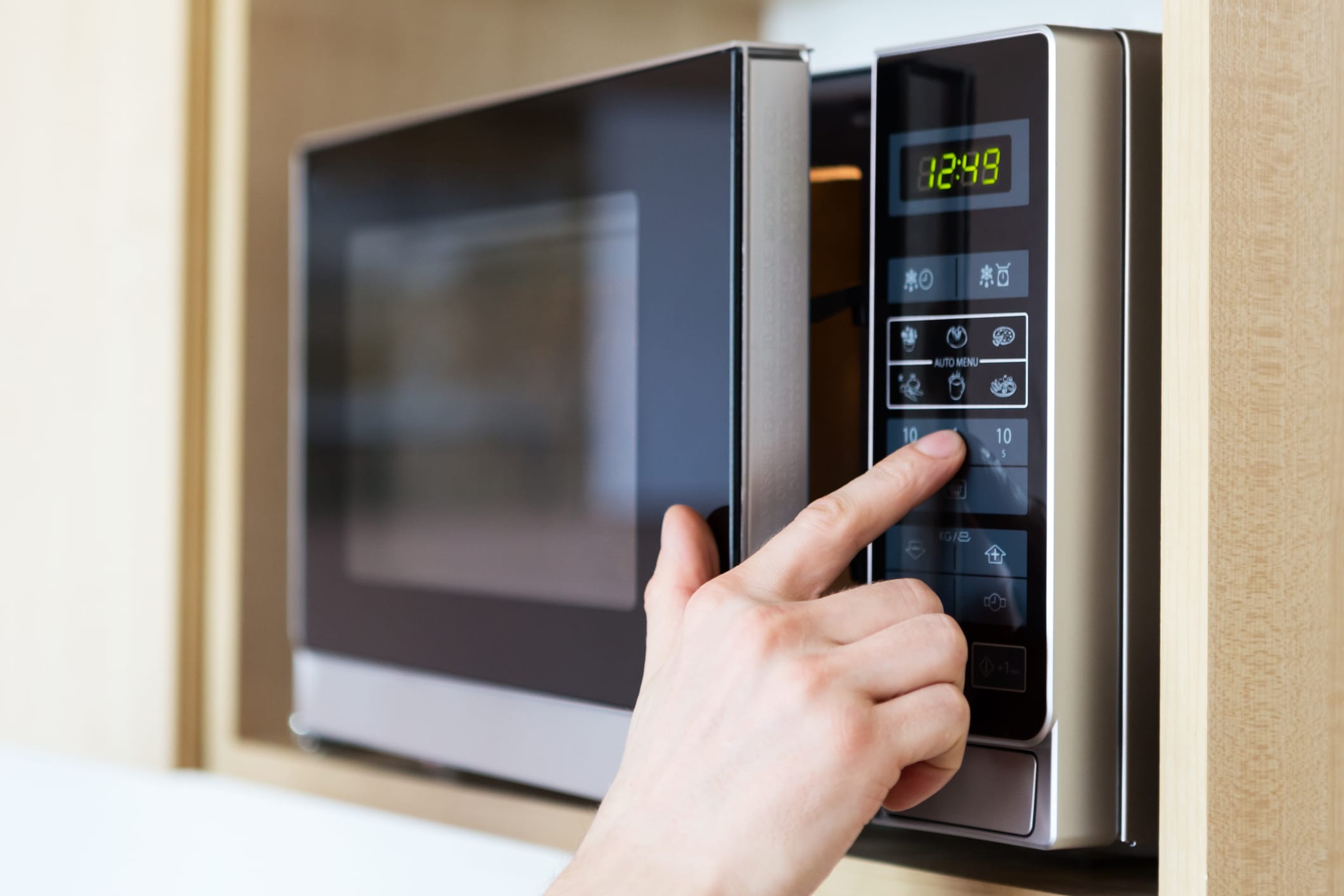
How Much Does Microwave Replacement Cost?
Microwave prices vary considerably because there are several different types of microwaves.
A simple countertop microwave is usually the least expensive option because it requires virtually no installation. Over-the-range microwaves cost more and typically require mounting and connections to an existing ventilation setup. Built-in and drawer microwaves can carry much higher purchase and installation costs.
As a general starting point, homeowners might encounter price ranges like these:
| Microwave Type | Typical Appliance Price |
|---|---|
| Countertop microwave | $100 to $500+ |
| Over-the-range microwave | $200 to $700+ |
| Built-in microwave | $400 to $1,000+ |
| Microwave drawer | $800 to $2,000+ |
These are broad estimates rather than quotes. Brand, size, technology, finishes, regional labor costs, and installation requirements can significantly change your final microwave replacement cost.
What Affects the Cost of Replacing a Microwave?
The easiest replacement is usually swapping an existing microwave for a similarly sized model that uses the same connections and installation method.
Costs can climb when the new appliance requires additional work.
Type of Microwave
Countertop models usually involve little more than removing the old appliance and plugging in the replacement. Built-in and over-the-range models require considerably more installation work.
Microwave drawers can be even more involved because they are integrated directly into cabinetry.
Size and Features
Larger capacities and premium features can increase the purchase price. Convection cooking, air frying, sensor cooking, smart technology, specialty finishes, and other features can all move a microwave into a higher price range.
Brand
Microwave pricing varies between manufacturers and product lines. Rather than selecting based solely on brand recognition, compare reliability, warranty coverage, features, dimensions, and service availability.
Existing Kitchen Setup
Replacing an appliance with a similar model can keep installation relatively simple. Changing microwave styles may require cabinetry, electrical, or ventilation modifications.
Those additional projects can quickly become a significant part of the total replacement cost.
Additional Microwave Installation Costs
Do not assume the price on the appliance is the price of the complete project.
Depending on your kitchen and the microwave you're installing, additional expenses may include:
- Removal and disposal of the existing microwave
- Professional installation labor
- New mounting hardware
- Electrical work
- Outlet relocation or installation
- Ventilation or ductwork modifications
- Cabinet alterations
- Trim kits for built-in models
- Delivery fees
Before purchasing a microwave, ask what is included in the advertised installation price. A low installation fee may only cover a straightforward replacement using existing connections.
What Does Professional Microwave Installation Include?
Installation services vary by retailer and contractor, so verify exactly what you're purchasing.
For a standard over-the-range replacement, professional installation may include removing the existing unit, installing the appropriate mounting hardware, securing the new microwave, connecting it to the available electrical supply, and configuring an existing ventilation connection when applicable.
Built-in installation can be more complicated. Proper fit and ventilation are especially important, and some models require manufacturer-specific trim kits or cabinet dimensions.
Electrical, cabinetry, or ductwork modifications may be considered additional work rather than part of a standard installation.
Can You Install a Microwave Yourself?
That depends largely on the microwave.
Countertop Microwaves
Countertop microwaves are generally straightforward. Once you've confirmed that you have the appropriate space, electrical connection, and ventilation clearances required by the manufacturer, setup may be as simple as positioning the appliance and plugging it in.
Over-the-Range Microwaves
DIY installation becomes more challenging with an over-the-range unit. These microwaves can be heavy and need to be mounted securely, often above a cooktop or range.
Installation may also involve ventilation connections and electrical considerations. Because of the weight and location, this is often at least a two-person project even for an experienced DIY homeowner.
Built-In and Drawer Microwaves
Professional installation is often the better choice for appliances integrated into cabinetry. Incorrect measurements or installation can affect appearance, ventilation, and safe operation.
Any electrical modifications should also be completed by an appropriately qualified professional.
Repair or Replace Your Microwave?
Before buying a new appliance, determine whether your current microwave is actually worth replacing.
A minor problem with a relatively new microwave may justify repair. However, replacement can become more practical when the microwave is older, has experienced repeated problems, or needs an expensive repair.
Consider:
- Age of the microwave
- Original purchase price
- Estimated repair cost
- Cost of a comparable replacement
- Frequency of previous repairs
- Availability of replacement parts
- Manufacturer's warranty status
- Condition of the rest of the appliance
Countertop microwaves are relatively inexpensive to replace, which can make professional repair difficult to justify for some failures. The decision may be different for an expensive built-in or drawer microwave because replacement involves a much larger investment.
When Should You Replace a Microwave?
A microwave does not necessarily need replacement just because it is old. Performance and safety matter more than age alone.
Replacement may be worth considering if the microwave:
- No longer heats food consistently
- Takes significantly longer to heat than it used to
- Repeatedly trips a breaker
- Has damaged controls
- Makes unusual noises
- Has recurring mechanical problems
- Has a door that no longer closes properly
- Requires increasingly frequent repairs
Electrical burning smells, smoke, sparking that is not attributable to an obvious misuse issue, or a damaged door deserve immediate attention. Stop using an appliance that appears unsafe and have it appropriately evaluated.
Choosing a New Microwave
Once you decide to replace your microwave, start with your kitchen rather than the appliance showroom.
Measure the available space carefully. For over-the-range and built-in models, check width, height, depth, ventilation requirements, and manufacturer-specified clearances.
Then consider how you actually use your microwave.
A household primarily reheating leftovers may not need premium cooking technology. Someone who regularly uses the microwave as a secondary oven might appreciate convection capabilities, sensor cooking, or additional power.
Also compare warranty coverage, repair availability, controls, capacity, wattage, ventilation performance for over-the-range units, and ease of cleaning.
The best microwave is not necessarily the most expensive. It is the one that fits your kitchen, cooking habits, and budget without making you pay for features you will never use.
Can a Home Warranty Help With Microwave Replacement Costs?
Potentially, depending on the microwave and your home warranty coverage.
Home warranties generally provide protection for eligible breakdowns of covered home systems and appliances caused by normal wear and tear. Built-in microwaves are commonly included in appliance coverage offered by some home warranty providers, while portable countertop microwaves may not receive the same protection.
Coverage does not necessarily mean the provider will automatically purchase an identical new microwave whenever something goes wrong. The provider may first determine whether the covered appliance can be repaired, and replacement benefits may be subject to coverage limits, exclusions, service fees, and other contract terms.
Reviewing your home warranty before a breakdown occurs can help you understand what financial protection you actually have.
Consider Replacement Costs Before You Need a New Microwave
Nobody wants to research appliance prices while standing in front of a microwave that stopped working five minutes before dinner.
Knowing approximately what replacement could cost makes it easier to plan ahead, especially if several appliances in your kitchen are getting older at the same time.
Homeowners can prepare through an emergency fund, home maintenance budget, warranty coverage, or a combination of strategies. Whatever approach you choose, remember that replacement costs extend beyond the appliance itself when installation is involved.
Key Takeaways
Your microwave replacement cost depends heavily on the type of appliance you're replacing. A basic countertop microwave might cost around $100, while premium built-in or drawer models can cost $1,000 or considerably more.
Installation can add expenses for labor, removal, mounting, electrical work, ventilation, trim kits, and cabinetry modifications. A straightforward same-type replacement will generally be less complicated than changing the style or location of the microwave.
Before replacing your appliance, compare repair and replacement costs. And if you have home warranty coverage, check whether your built-in microwave is a covered appliance before paying for a repair or replacement yourself.
FAQs About Microwave Replacement Cost
Make Unexpected Appliance Repairs Easier With Dwellness
A microwave may not be the most expensive appliance in your kitchen, but replacement costs can add up quickly when you're dealing with a built-in model, professional installation, and unexpected modifications.
Dwellness helps Las Vegas homeowners prepare for eligible breakdowns of covered home appliances and major systems. Depending on your plan and contract terms, coverage for appliances such as built-in microwaves can help make unexpected repair or replacement expenses easier to manage.
Contact Dwellness today to learn more about home warranty coverage for your Las Vegas home and find protection designed to help when everyday appliances stop working.